
Tools
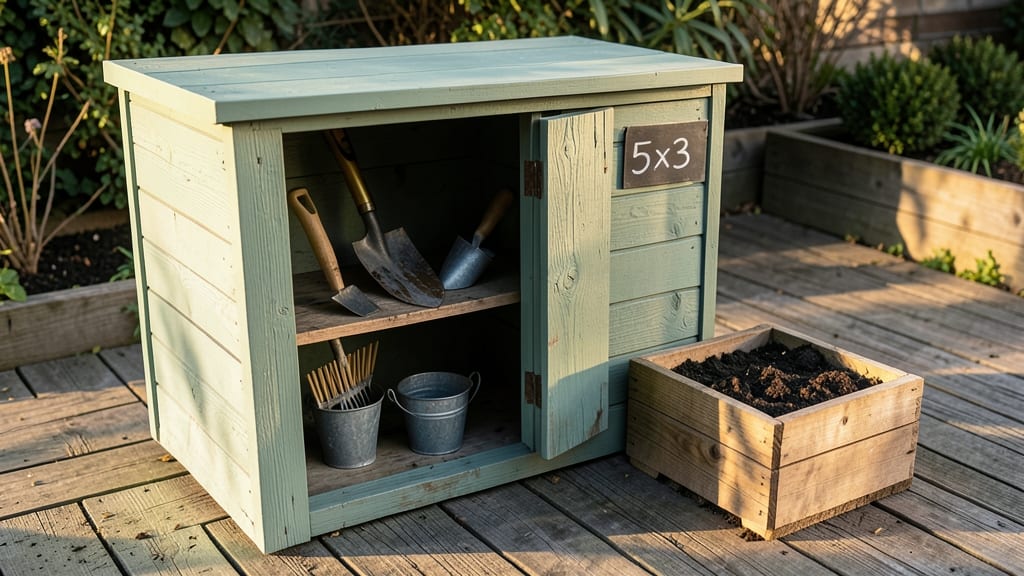
A 5 by 3 garden shed optimizes small yards by using vertical space, modular shelving, and multi-purpose layouts to store tools, seeds, and seasonal gear efficiently.
A compact 5 by 3 garden shed solves the puzzle of limited yard space by thinking vertically. 🌿 Instead of spreading out, I've seen these sheds use lofted storage above workbenches or sliding doors to maximize every inch.
The key is balancing accessibility—keeping frequently used tools at waist height while tucking seasonal items on upper shelves or in overhead bins. Corner placement often works best, creating a natural transition between yard and shed while preserving walkways.
For organization, I recommend starting with a pegboard system on one wall for hanging tools and small equipment. Hanging racks above doors can hold lightweight items like gloves or hoses, while weatherproof bins on lower shelves keep seeds and smaller tools dry.
The 5x3 footprint actually gives you surprising flexibility—just avoid overcrowding, and you'll create a space that feels spacious despite its size.
💡 In This Article
- Smart 5x3 Garden Shed Designs for Compact Yards
- Essential Storage Solutions for Small Garden Sheds
Smart 5x3 garden shed designs for compact yards
The 5 by 3 garden shed thrives on vertical ingenuity. With just 15 square feet of floor space, every inch counts—so the best designs prioritize height over width. For example, a 6-foot ceiling lets you add a lofted storage area above a workbench, doubling usable space.
This works because garden tools like pruners and rakes are lightweight enough to store overhead while keeping them within easy reach with a pull-down ladder. 🔥
Sliding doors and foldable workbenches are game-changers in tight spaces. A 3-foot wide sliding door saves 12-18 inches of walkway space compared to swinging doors, while foldable benches can be tucked against walls when not in use.
Corner placement also maximizes yard efficiency—positioning the shed diagonally in a corner creates a natural transition between yard and shed while preserving 2-3 feet of walking space around it. The science here is simple: corners utilize dead space that would otherwise go unused.
Accessibility matters just as much as space-saving. I've found that keeping frequently used tools (like trowels and gloves) at 36-42 inches (waist height) reduces bending and strain. Upper shelves should hold seasonal items (like holiday decorations or winter gear) since you access them less often.
The 5x3 footprint actually allows for creative zoning—dedicate one corner to tools, another to seed storage, and use the back wall for bulkier items like wheelbarrows or bags of soil.
Lighting and ventilation get overlooked but are critical. A skylight or solar tube (measuring about 24x24 inches) brings natural light without taking floor space, while a small roof vent prevents moisture buildup. Poor ventilation leads to mold on stored items—especially problematic for seeds and wooden handles.
I've seen sheds with adjustable shelving that can be lowered to accommodate taller items like ladders or raised for better airflow underneath.
Consider these key design elements for your 5x3 shed:
- Ceiling height: 6-7 feet for loft storage (standard shed height)
- Door width: 3 feet maximum for sliding functionality
- Workbench height: 36 inches for ergonomic use
- Shelf depth: 12 inches for easy reach and visibility
What most people don't realize is that the 5x3 dimensions actually provide enough space for a small refrigerator (about 2 cubic feet) if you're storing perishables like potting soil or cold drinks.
The key is planning your layout before building—sketching a floor plan to visualize how items will flow makes all the difference. ✨