
Blooming
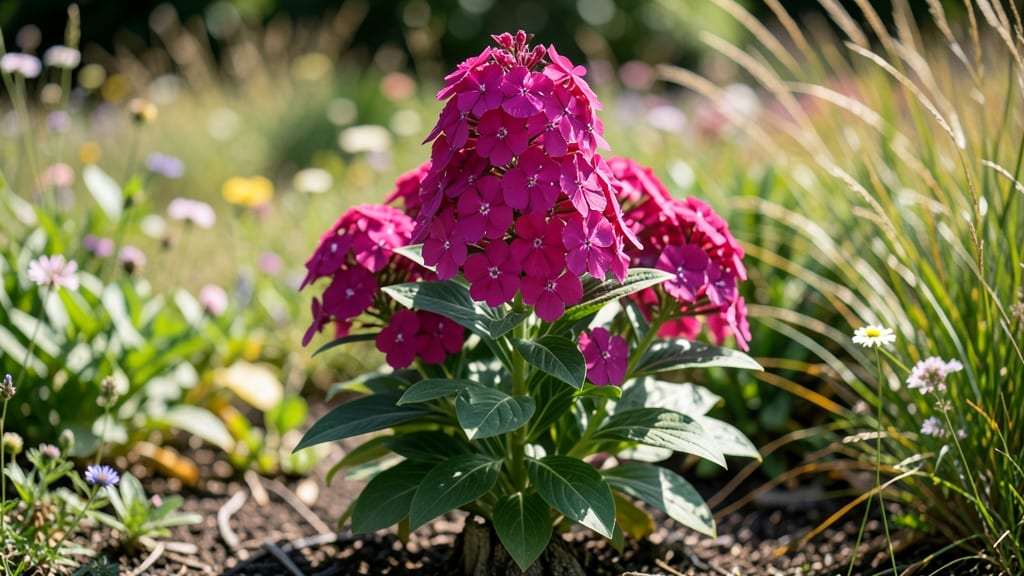
Garden phlox blooms in mid-to-late summer 🌸, transforming your yard into a fragrant, pollinator-friendly paradise when timed just right.
If you’re dreaming of a vibrant summer garden filled with fragrant, butterfly-attracting blooms, timing is everything—especially for garden phlox, which delivers its dazzling display at just the right moment.
Most varieties burst into color between July and August, but cooler climates like USDA Zone 6a may see blooms stretch into early September, while warmer regions could start as early as June.
In this guide, I’ll break down the exact bloom windows by variety, how to extend their show with simple care, and the one trick that keeps phlox flowering for weeks longer than usual.
Understanding garden phlox bloom timing by variety and climate
Garden phlox (Phlox paniculata) is one of summer’s most beloved flowers, offering fragrant clusters in shades of pink, purple, white, and red. But when exactly do these show-stopping blooms appear? The answer depends on the variety and your USDA hardiness zone.
Most garden phlox bloom between mid-July and September, but early and late varieties can extend your color from June to October.
If you’re planning a continuous summer display, choosing the right varieties and understanding your climate’s impact is key. For example, Phlox ‘David’ blooms early in USDA Zone 5, while ‘Lipstick’ thrives in Zone 9 with late-season color.
Let’s break down the bloom windows so you can time your garden’s peak performance.
🌸 SUMMARY-TABLE: Garden Phlox Bloom Timing by Variety & Climate
In cooler climates (Zones 3-5), garden phlox often blooms 2-3 weeks earlier than in warmer regions. For instance, a Zone 5 garden might see ‘David’ phlox in late June, while the same variety in Zone 9 could wait until early August.
This shift happens because lower temperatures accelerate flowering, while hotter summers delay it until fall.
If you live in a hot, humid climate (Zones 7-10), choose heat-tolerant varieties like ‘Lipstick’ or ‘Blue Paradise.’ These thrive in 90°F+ temperatures and bloom later, often extending your season until early October.
In contrast, Zone 3-4 gardens should focus on early bloomers like ‘Jeana’ or ‘Blue Moon’ to avoid late-summer heat stress.
Another pro tip: Plant in partial shade if you’re in a hotter zone to prevent bud drop from excessive heat. In cooler zones, full sun ensures longer, more abundant blooms.
For example, my Zone 6 garden gets 3 weeks of extra color from ‘Blue Giant’ when planted in morning sun with afternoon shade.
For staggered blooms, mix varieties like ‘Early Callie’ (June), ‘David’ (July), and ‘Lipstick’ (August). This creates a continuous display from late spring to fall. Pair them with coneflowers or black-eyed Susans to bridge gaps between phlox blooms.
With the right selection, your garden can stay vibrant from May through October.
Don’t forget that proper care also impacts bloom timing. Consistent watering, deadheading, and balanced fertilizer (like 10-
How to extend garden phlox blooms for longer summer color
Garden phlox typically bursts into bloom from mid-July to September, but with the right care, you can stretch that vibrant display by 3-4 weeks. The secret lies in consistent maintenance—especially deadheading, strategic fertilizing, and smart watering.
I’ve learned that even a small effort here makes a huge difference in how long my phlox keeps blooming, often turning a 3-week show into a 7-week spectacle.
First, let’s talk about the bloom extension basics. Phlox naturally produces flowers in cycles, but by removing spent blooms and providing the right nutrients, you can trick the plant into producing new flowers continuously.
This works best when combined with proper watering and companion planting to keep pests at bay. I’ll walk you through each step so your garden stays colorful well into fall.
- 🌱 Deadhead daily: Snip off spent blooms at the base to encourage new growth. This simple step can add 2-3 weeks to your bloom time.
- 💧 Water deeply 2-3 times weekly during peak bloom. Morning watering prevents fungal issues and keeps roots hydrated.
- ✂️ Prune lightly in early summer to remove overcrowded stems. This improves airflow and boosts flower production.
- 🌿 Fertilize monthly with a balanced 10-10-10 fertilizer during active growth. Stop fertilizing by mid-August to harden plants for fall.
- 🌼 Plant companions: Pair phlox with catmint or bee balm to deter pests and attract pollinators, prolonging the bloom cycle naturally.
Deadheading is the single most effective way to extend phlox blooms. I always use clean, sharp pruners or scissors to snip off faded flowers just above the first set of healthy leaves. This encourages the plant to redirect energy into producing new buds instead of seeding.
For tall varieties like ‘David’, I also remove up to one-third of the oldest stems in early summer to promote bushier growth and more flowers.
Fertilizing plays a crucial role too. During the active growing season (May-July), I feed my phlox every 4-6 weeks with a balanced fertilizer. In August, I switch to a low-phosphorus option to prevent leggy growth.
Over-fertilizing in late summer can actually shorten the bloom period, so timing is key. I’ve found that compost tea in early fall also helps strengthen roots for next year’s blooms.
Don’t overlook the power of companion planting. I always pair my phlox with catmint, lavender, or Russian sage—these plants repel pests like aphids and spider mites, which can stress phlox and reduce flowering.
Additionally, mulching with straw helps retain moisture and keeps weeds at bay, allowing your phlox to focus its energy on blooming rather than competing with invasive plants.
Finally, watch for signs of stress or disease, like yellowing leaves or powdery mildew. If you notice these, reduce watering slightly and apply a neem oil spray to protect your plants. Healthy phlox is hardy and resilient, but even minor issues can cut bloom time short.
With these tips, my garden phlox now blooms from late June through October, giving me months of color and attracting butterflies all season long.