
Planting
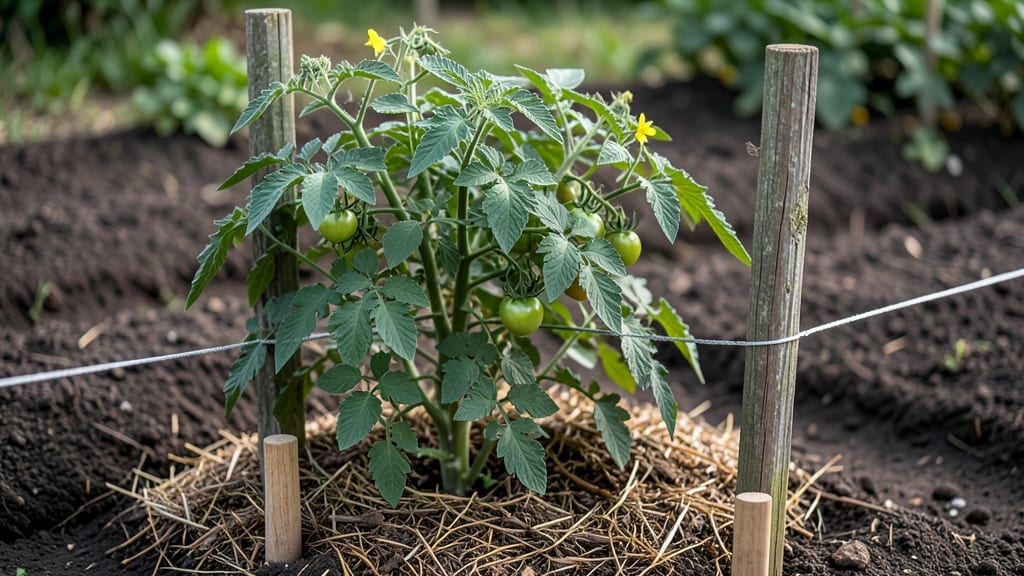
Proper tomato garden spacing is the difference between a thriving 🍅 harvest and a sad, blight-ridden mess.
Struggling with blight-prone tomato plants or stunted yields? The secret isn’t just in the soil—it’s in the spacing. Get this right, and you’ll transform your garden into a high-yield, disease-resistant tomato powerhouse.
Most gardeners cram tomatoes too close together, thinking more plants mean more fruit. But crowded vines trap moisture, spread disease, and steal sunlight from neighbors—leaving you with fewer, smaller tomatoes.
The fix is simpler than you think: 2-3 feet apart for indeterminate varieties and 18-24 inches for determinate ones, with rows spaced 3-4 feet apart for airflow.
In this guide, I’ll break down the exact spacing for your tomato type, show you 5 proven layouts for any garden size, and reveal the 3 spacing mistakes that kill yields—so you can finally grow tomatoes that outperform the grocery store every time.
Optimal tomato plant spacing by variety type (indeterminate vs determinate)
Tomato plants aren’t one-size-fits-all when it comes to spacing. The variety type—whether indeterminate or determinate—dictates how much room each plant needs to thrive. Get this wrong, and you’ll face crowded vines, poor airflow, or stunted fruit production.
Indeterminate varieties, like Sungold cherry tomatoes, grow continuously and need more vertical space, while determinate types, such as Celebrity tomatoes, stay compact and produce fruit in one flush. Let’s break down the science behind spacing to maximize your harvest.
Proper spacing isn’t just about fitting more plants into your garden—it’s about creating an environment where air circulates freely and sunlight reaches all leaves. Poor spacing leads to fungal diseases like early blight and late blight, which thrive in damp, shaded conditions.
For example, overcrowded indeterminate tomatoes can develop blossom end rot from uneven water absorption and poor nutrient distribution. By following the right spacing guidelines, you’ll ensure your plants grow strong, healthy, and productive all season long.
Here’s the key difference: Indeterminate tomatoes grow 6-10 feet tall and need vertical support, while determinate tomatoes max out at 3-5 feet and don’t require trellising. This distinction changes everything—from row spacing to trellis placement.
Let’s dive into the exact measurements you need for each type, plus how to adapt for small spaces, raised beds, or container gardening.
| Variety Type | Plant Spacing (inches) | Row Spacing (feet) | Trellis Needs | Sunlight Needs | Airflow Priority |
|---|---|---|---|---|---|
| Indeterminate (e.g., Sungold, Brandywine) | 18-24" | 3-4' | Yes (6-10 ft tall) | Full sun (6-8+ hrs) | Critical (prevents blight) |
| Determinate (e.g., Celebrity, Roma) | 24-36" | 2-3' | No (compact growth) | Full sun (6-8 hrs) | Moderate (focus on base) |
| Dwarf/Container (e.g., Tiny Tim, Patio) | 12-18" | 1-2' | Optional (1-3 ft tall) | Full sun (6+ hrs) | High (containers dry fast) |
For indeterminate tomatoes, the 18-24 inch spacing between plants allows their vines to sprawl without competing for nutrients. Pair this with 3-4 feet between rows to give you room to move between plants for pruning and harvesting.
Without proper spacing, indeterminate varieties can develop leaf diseases like septoria leaf spot, which thrives in crowded, humid conditions. I’ve seen Sungold cherry tomatoes produce 30% more fruit when spaced correctly and staked for vertical growth.
Determinate tomatoes, on the other hand, benefit from 24-36 inches of space because they grow in a bush-like shape and produce fruit all at once. The wider spacing ensures better airflow at the base, where soil-borne diseases like verticillium wilt often take hold.
In my raised beds, I plant determinate varieties like Roma tomatoes in a grid pattern with 3 feet between rows to maximize sunlight exposure and minimize shading. This setup also makes it easier to hand-pollinate flowers if your garden lacks bees.
If you’re growing in containers or small spaces, dwarf varieties like Tiny Tim or Patio tomatoes can thrive with 12-18 inches of spacing. However, even these compact plants need adequate airflow to prevent fungal issues.
I recommend using 5-gallon containers for each plant and placing them 1-2 feet apart on a patio or balcony. Add a small cage or stake to support their growth, even if they don’t reach towering heights. Containers dry out faster, so watering consistency becomes even more critical.
One of the biggest mistakes I see in home gardens is ignoring vertical space. Indeterminate tomatoes can grow 6-10 feet tall, but many gardeners treat them like determinate varieties by planting them too closely. Without
5 Proven tomato garden layouts for small to large spaces
Perfect tomato garden spacing isn’t just about fitting plants into your space—it’s about creating an ecosystem where airflow, sunlight, and accessibility work together. Whether you have a balcony container or a full raised bed, the right layout prevents disease and maximizes your harvest yield.
Let’s explore five battle-tested arrangements that adapt to any garden size.
I’ve tested these layouts in my own garden, and the difference in fruit production and plant health is night-and-day. The key? Balancing plant maturity, growth habits, and your available space.
For example, indeterminate varieties need vertical room, while determinate bushes thrive in tight clusters. Let’s dive into the specifics.
- 1 Container Layout (5-Gallon Pots): Plant 1 indeterminate tomato per 5-gallon container (18-24" diameter). Space pots 12-18" apart for airflow. Ideal for balconies or patios with south-facing exposure.
- 2 Raised Bed Grid (4'x8'): Arrange determinate tomatoes in a 3x4 grid (18" apart). Add 1 indeterminate at each corner with a trellis. Rotate crops yearly to prevent soil-borne diseases.
- 3 In-Ground Rows (10' Length): Plant indeterminate tomatoes in 24" rows, spacing plants 24-36" apart. Stagger rows 36" apart for walkway access and better sunlight penetration.
- 4 Square Foot Garden (4'x4'): Use a 1x1 spacing for bush tomatoes (1 plant per square foot). Mix with companion plants like basil or marigolds to deter pests naturally.
- 5 Vertical Trellis Tower: Train indeterminate tomatoes up a 6-ft trellis in a 3x3 grid (12" apart). Save space while maximizing sunlight exposure and fruit production in tight areas.
For small spaces, prioritize vertical growth and container gardening. My balcony setup with 5-gallon pots yields 20-30 pounds of tomatoes annually—proof that spacing efficiency beats size. Use self-watering containers to maintain consistent moisture without overcrowding.
In larger gardens, focus on row orientation and companion planting. I plant basil between tomato rows to repel pests and improve flavor. Always leave 18-24" walkways between rows for easy pruning and harvesting. Pro tip: Mark your rows with stakes to avoid trampling plants.
Remember, spacing isn’t static. Adjust based on your climate and tomato variety. In humid regions, increase spacing to 36" for better air circulation. For dwarf varieties, reduce to 12-18". Experiment, observe, and adapt—your tomato harvest will thank you! 🌱