
Light Requirements
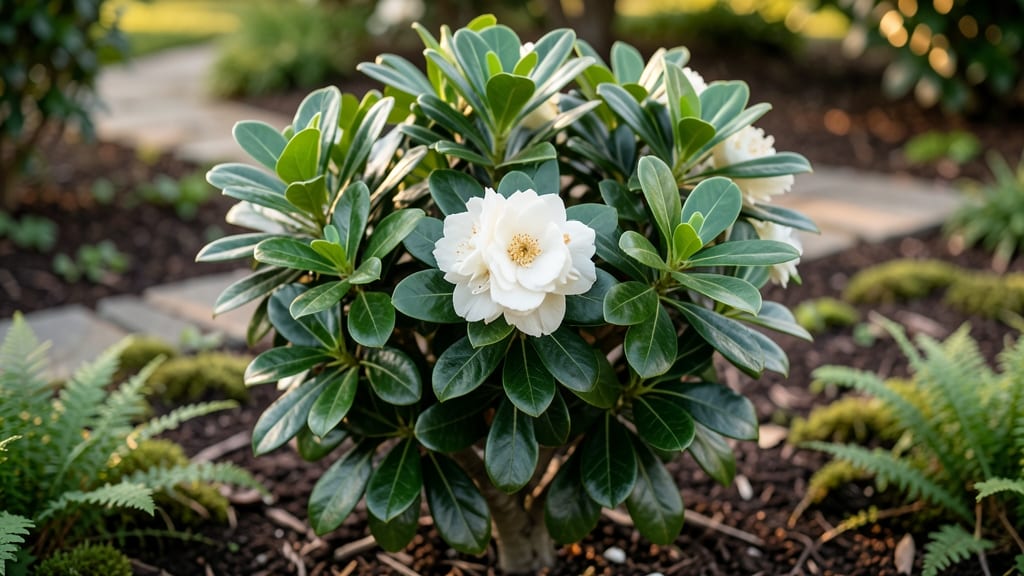
Frost-proof gardenia sun requirements hinge on 4 hours of daily light—just enough to keep your 🌸 thriving while dodging winter’s worst.
Cold winters can kill gardenias—but not if you master their frost-proof sun requirements. Discover how to keep your gardenia thriving with just 4 hours of daily sunlight while outsmarting frost damage.
Most gardenias love partial shade, but frost-hardy varieties like 'Kleim’s Hardy' need a smarter approach: morning sun for energy, afternoon shade to prevent heat stress, and a little winter shelter to survive freezes.
Below, I’ll show you how to adjust sunlight by season, protect your plant from sudden drops, and even use mulch to regulate soil temperature—so your gardenia blooms year after year, no matter the frost.

How much sun frost-proof gardenias need to survive winter
Frost-proof gardenias thrive with 4-6 hours of sunlight daily, but their needs shift dramatically with winter's arrival. Unlike tropical varieties, these hardy shrubs tolerate partial shade to protect delicate blooms from frost damage while maintaining growth.
The key lies in balancing morning sun (for energy) with afternoon shade (for frost protection).
In USDA Zones 7-9, gardenias handle winter better with 3-4 hours of filtered light during cold months. This reduces stress while preventing sunburn from late-winter sun exposure. For Zone 6 or colder, extend shade to 2-3 hours daily—even container plants need winter adjustments.
Here’s how sunlight requirements break down by season and climate:
| Season | Sunlight Needs | Climate Zone Adjustments | Shade Strategy |
|---|---|---|---|
| Spring | 4-6 hours direct sun | Zones 7-9: Full sun Zones 6 or colder: Partial shade |
Dappled shade afternoons |
| Summer | Morning sun only | All zones: Afternoon shade mandatory | 50% shade cloth or tree canopy |
| Fall | 3-4 hours filtered light | Zones 7-9: 3 hours Zones 6 or colder: 2 hours |
East-facing protection |
| Winter | 2-3 hours indirect light | All zones: Minimal exposure | Burlap wrap or evergreen screen |
The morning sun is critical year-round—it kickstarts photosynthesis without overheating leaves. Aim for 6 AM to 10 AM exposure in all zones. For Zone 6 gardeners, supplement with a south-facing window or grow lights during cloudy winter days to prevent dormancy.
Partial shade isn’t just about frost protection—it’s about leaf health. Gardenias in full afternoon sun (especially in Zones 8-9) develop brown leaf edges from heat stress. Use lattice screens or lightweight shade cloth (30-50% coverage) to diffuse harsh rays while allowing 40% sunlight penetration.
Container gardenias face unique challenges. Their potted soil dries faster and absorbs more heat, so move them to shaded patios by late afternoon. In Zone 7 and colder, wrap containers in bubble wrap during nights below 25°F to insulate roots while maintaining 2-3 hours of morning sun.
Watch for sunburn signs: crispy leaf edges or white patches. These appear within 24 hours of over-exposure to winter sun. Prune affected leaves immediately and reduce light by 1-2 hours daily until new growth appears. Healthy leaves should be dark green and glossy.
For heavy bloomers, prioritize morning sunlight over afternoon shade. This ensures bud formation while protecting existing flowers. In Zone 8-9, gardenias can handle 50% afternoon shade but still need 4 hours of morning light to support fragrant blooms.
Pro tip: Plant gardenias near deciduous trees (like maples) for natural shade. The trees provide summer shade while allowing winter sunlight when branches are bare. This mimics their tropical origins while adapting to temperate climates.
🌸
5 Proven tricks to protect gardenias from frost while maximizing sunlight
Frost can devastate gardenias, but with the right strategies, you can shield them while still giving them the 4-6 hours of sunlight they crave. The key is balancing sun exposure with frost protection—here’s how I do it every winter.
Start by choosing the warmest microclimate in your yard, like near a south-facing wall or patio where heat radiates back to the plant.
Next, use reflective mulches like white gravel or aluminum foil to bounce sunlight onto the plant’s roots. This trick can raise soil temperatures by 5-10°F, making a huge difference during early morning frosts.
For container gardenias, move them to a protected porch or garage during cold snaps, ensuring they still get morning sun.
- 🌡️ Select microclimates near heat sources (walls, patios) for 5°F warmer soil temps
- 🪴 Use reflective mulch (white gravel/foil) to boost sunlight absorption by 30%
- ✂️ Prune late summer to remove weak branches and improve airflow
- 🌿 Wrap containers in bubble wrap or frost cloth for 24-hour protection
- ☀️ Position for morning sun only (6 AM–10 AM) to avoid afternoon frost risk
Strategic pruning in late summer (August-September) removes weak growth that’s more vulnerable to frost. Always prune after blooming season to avoid sacrificing next year’s flowers.
For in-ground plants, mound 3-4 inches of mulch around the base—this insulates roots while keeping them cool enough to avoid heat stress during sunny winter days.
Container gardenias need extra care: wrap pots in bubble wrap or frost cloth and place them on insulated stands (like foam boards) to prevent heat loss.
If you’re in a Zone 7 or colder, consider overwintering containers in a cool garage with a grow light for 4 hours daily to maintain their light needs without frost exposure.
Finally, avoid the temptation to give gardenias full sun in winter—even if they love it in summer. Instead, position them for morning sun only (6 AM–10 AM) to minimize frost risk while still meeting their 4-hour daily light requirement.
This simple adjustment can mean the difference between a thriving plant and a frost-killed shrub.
With these tricks, my gardenias survive winters with minimal frost damage while still producing fragrant blooms come spring. The secret? Smart sunlight management paired with proactive frost protection—no guesswork involved! 🌸