
Tools
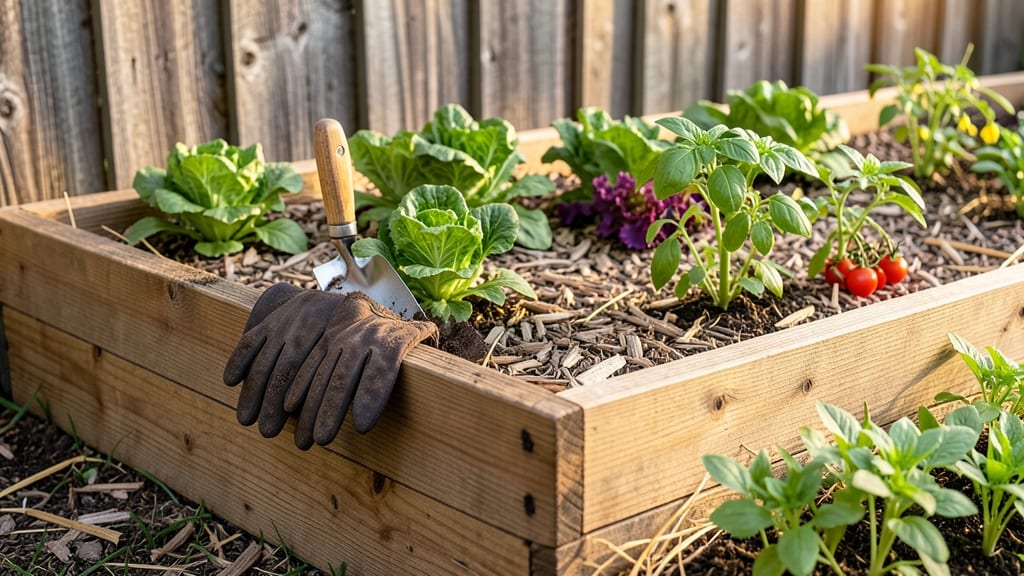
An 8x8 raised garden is one of the most efficient ways to grow a bounty in tight spaces—whether you’re working with a balcony, patio, or small backyard.
Picture this: a single bed packed with high-yield crops, herbs, and flowers, all thriving without wasted soil or weeds. The trick? Smart spacing, companion planting, and a layout that matches your goals—whether you’re after fresh veggies, fragrant blooms, or both.
In this guide, I’ll walk you through space-saving layouts, plant pairings that boost growth, and materials that make your garden durable and easy to maintain. No more guessing—just proven designs for a productive 8x8 garden that works year after year.
Ready to turn that small plot into a green machine? Let’s get started with the best ways to organize your 8x8 raised garden for maximum harvests.
Optimal 8x8 raised garden layouts for small spaces
An 8x8 raised garden gives you 64 square feet of prime real estate—perfect for growing a surprising amount of food in tight spaces. The key? Square-foot gardening principles paired with companion planting and seasonal rotation.
I’ve designed three high-yield layouts below that maximize space while keeping maintenance manageable, even for beginners.
Before diving in, remember: sunlight exposure and plant compatibility are non-negotiable. Most vegetables need 6+ hours of sun daily, while herbs like basil and cilantro thrive with 4-6 hours.
Place taller plants (like tomatoes or peppers) on the north side of your bed to avoid shading shorter crops.
⚠️ Comparison Table: 8x8 Raised Garden Layouts
| Layout Type | Primary Crops | Companion Pairings | Yield Projection | Seasonal Strategy |
|---|---|---|---|---|
| Intensive Vegetable Garden | Cherry tomatoes, bush beans, lettuce, radishes, carrots | Tomatoes + basil, beans + carrots, lettuce + radishes | 20 lbs tomatoes, 5 lbs beans, 10 lbs greens | Succession plant lettuce/radishes every 2 weeks |
| Herb & Flower Pollinator Garden | Rosemary, thyme, marigolds, nasturtiums, borage | Marigolds + tomatoes, borage + strawberries | 50+ herb stems, 200+ flowers for pollinators | Perennial herbs return yearly; replace annuals spring/fall |
| Seasonal Rotation Mix | Spring: peas, spinach; Summer: zucchini, peppers; Fall: kale, garlic | Peas + carrots, zucchini + nasturtiums, kale + onions | 15 lbs mixed veggies (year-round) | Rotate crops annually to prevent soil depletion |
My favorite layout for beginners is the intensive vegetable garden because it delivers fast results with minimal fuss. Plant cherry tomatoes in the center (they’re compact and productive) surrounded by bush beans and lettuce.
The beans will climb a small trellis, saving floor space, while the lettuce can be harvested in just 30 days.
For year-round productivity, try the seasonal rotation mix. Divide your 8x8 bed into 4 quadrants and dedicate each to a different season’s crops. For example, plant peas and spinach in spring, then replace them with zucchini and peppers in summer.
By fall, you’ll have kale and garlic thriving—no wasted space!
Don’t overlook companion planting—it’s a game-changer in small spaces. Pair marigolds with your tomatoes to deter pests naturally, or plant basil near your peppers to improve flavor. Even flowers like nasturtiums can act as trap crops, luring aphids away from your veggies.
Pro tip: Use square-foot grids to map your layout. A simple 12x12 grid (1-inch squares) over your bed helps visualize spacing. For example, 1 plant per square foot for large crops like cabbage, but 16 plants per square foot for tiny radishes.
This method ensures no overcrowding and makes thinning seedlings a breeze.
If you’re short on sunlight, opt for partial-shade tolerant crops like leaf lettuce, spinach, or green onions. Place these on the east or west side of your bed where they’ll get 4-6 hours of morning or afternoon sun.
Even in shadier spots, you can still harvest 3-4 lbs of greens per month.
For pest control, interplant aromatic herbs like dill or chives among your veggies. Their strong scents mask plant odors that attract pests. Plus, herbs like mint (contained in pots!) can repel ants and mosquitoes—a bonus for small-space gardens.
Finally, plan for succession planting to keep your garden productive all season. After harvesting radishes in 30 days, replace them with bush beans or lettuce. Similarly, when your spinach bolts in spring, swap it for <
How to choose the best plants for your 8x8 raised garden
An 8x8 raised garden gives you just 64 square feet of space, so choosing the right plants makes all the difference. Focus on compact varieties with high yields and companion planting to maximize every inch. Leafy greens, bush beans, and cherry tomatoes thrive in tight spaces while providing abundant harvests.
Start with fast-growing crops like lettuce and radishes for quick rewards, then add medium-height plants such as bush beans and zucchini to fill vertical space. Avoid sprawling vines like cucumbers unless you use trellises. Plan for succession planting to keep your garden productive all season.
Here’s a curated list of top-performing plants for your raised bed, including spacing, sunlight needs, and companion pairings to boost growth and deter pests.
| Plant | Spacing | Sun Needs | Companions | Yield |
|---|---|---|---|---|
| Cherry Tomatoes | 18" apart | Full sun (6+ hrs) | Basil, onions | 10-20 lbs per plant |
| Bush Beans | 4" apart | Full sun (6+ hrs) | Corn, cucumbers | 5-8 lbs per plant |
| Leafy Greens (Lettuce, Spinach) | 6" apart | Partial shade (4-6 hrs) | Carrots, radishes | Continuous harvest |
| Peppers (Bell, Chili) | 12" apart | Full sun (6+ hrs) | Onions, spinach | 10-15 peppers per plant |
| Radishes | 2" apart | Full sun (4-6 hrs) | Lettuce, cucumbers | Harvest in 3-4 weeks |
For vertical space, add pole beans or trellised cucumbers along the sides of your raised bed. These plants grow upward, freeing up ground space for other crops. Pair herbs like basil and parsley near tomatoes to repel pests naturally and enhance flavor.
Rotate crops yearly to prevent soil depletion and disease buildup. For example, plant heavy feeders like tomatoes where light feeders like lettuce grew the previous year. Use mulch to retain moisture and suppress weeds, especially in hot climates.
Start with these high-yield, space-efficient plants, and you’ll enjoy a bountiful harvest from your 8x8 raised garden all season long. Happy planting! 🌱