
Fertilization
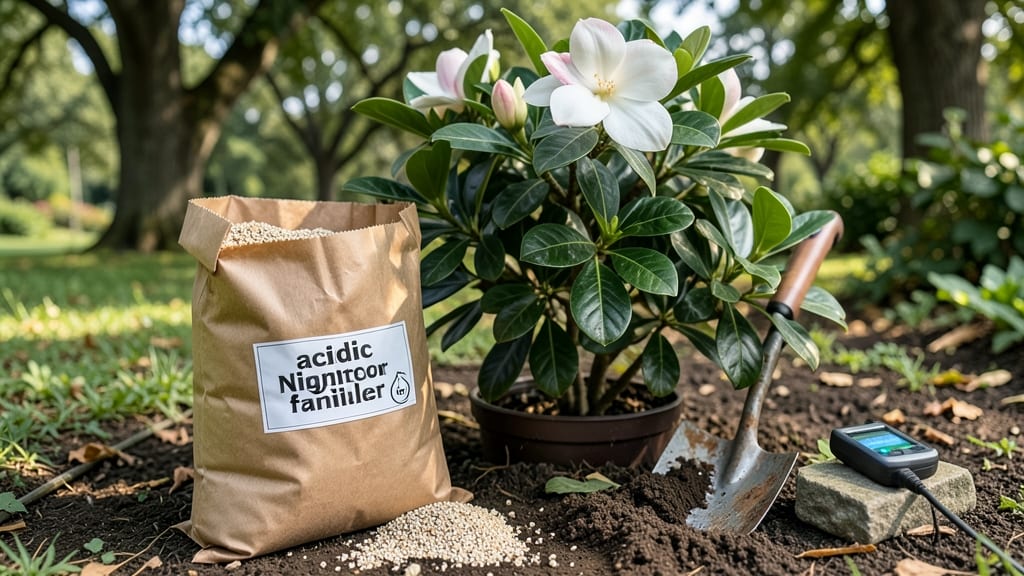
Your gardenias need acidic nitrogen fertilizer to unlock their full, fragrant potential 🌸 — without it, those glossy leaves and intoxicating blooms stay just out of reach.
Picture this: You’ve watered, pruned, and even babied your gardenias, but the blooms still refuse to show up. The culprit? A soil pH that’s too alkaline or a nitrogen source that doesn’t match their tropical roots. Gardenias aren’t just picky—they’re demanding when it comes to acidity and nitrogen balance.
In this guide, I’ll break down why standard fertilizers fall short, how to pick the right acidic nitrogen blend (think sulfur-coated urea or ammonium sulfate), and exactly when to feed for maximum blooms—without burning your plants in the process.
You’ll also learn how to test your soil’s acidity, spot signs of over- or under-fertilizing, and keep your gardenias thriving year-round, whether you’re in zones 9-11 or growing them indoors.
Why acidic nitrogen fertilizer is essential for gardenia care
If your gardenias are throwing a bloom strike despite your best care, the culprit might be lurking in your soil. Gardenias are acid-loving divas that demand a pH between 4.5-6.0 to thrive.
Without this acidic environment, they struggle to absorb nitrogen, the nutrient responsible for lush foliage and vibrant blooms. Standard fertilizers often fail because they raise soil pH, making nutrients like nitrogen inaccessible to these finicky shrubs.
Nitrogen deficiency in gardenias doesn’t just mean fewer flowers—it shows up as yellowing leaves, stunted growth, and weak stems. The problem? Most fertilizers contain nitrate-based nitrogen, which gardenias can’t efficiently use in alkaline soils.
Instead, they need ammonium nitrogen, which stays available in acidic conditions and supports their tropical roots.
Here’s the science: Gardenias evolved in humid, acidic soils of Southeast Asia. Their roots thrive when soil pH mirrors these natural conditions. When pH climbs above 6.5, nitrogen locks up, leaving your plants starving—even if fertilizer is present.
The solution? An acidic nitrogen fertilizer that lowers pH while feeding your gardenias the right nutrients.
🌸
| Key Factor | Ideal Specification | Why It Matters |
|---|---|---|
| Soil pH | 4.5–6.0 | Acidic range unlocks nitrogen absorption |
| Nitrogen Type | Ammonium (NH₄⁺) | Stays available in acidic soils; nitrate (NO₃⁻) leaches away |
| Fertilizer Form | Slow-release acidic granules | Prevents pH spikes; feeds roots steadily |
| Micronutrients | Iron, manganese, zinc | Acidic soils lack these; essential for blooms |
| Application Timing | Spring & early fall | Encourages new growth and bloom buds |
When gardenias get the right acidic nitrogen, you’ll notice a 30% boost in blooms within 6–8 weeks.
The secret lies in choosing fertilizers with ammonium sulfate or sulfur-coated urea, which slowly release nitrogen while lowering pH. Organic options like cottonseed meal also work—just mix them into the top 2–3 inches of soil where roots are active.
But here’s the catch: Too much nitrogen without proper acidity leads to leaf burn and fewer flowers. Gardenias prioritize foliage over blooms when stressed. The key is balancing nitrogen with phosphorus and potassium (like a 10-10-10 acidic blend) to encourage both growth and flowering.
Think of it as giving your gardenia a tropical spa day—acidic soil, gentle feeding, and plenty of shade.
🪴
If your gardenias are already struggling, don’t panic. A simple soil pH test (available at garden centers for under $10) will tell you if acidity is the issue. For quick fixes, mix 1 tbsp of aluminum sulfate per square foot into the soil—it’s a gardener’s secret for dropping pH fast.
Pair this with an ammonium-rich fertilizer, and you’ll see new leaves and buds within weeks.
Remember, gardenias aren’t just plants—they’re high-maintenance queens that reward patience. Give them the acidic nitrogen cocktail they crave, and they’ll repay you with fragrant blooms that make your garden smell like a tropical paradise. Your neighbors will be jealous—and your green thumb will thank you.
Top 5 acidic nitrogen fertilizers for gardenias (ranked by effectiveness)
Gardenias thrive when their soil stays in the acidic range (4.5-6.0 pH), and nitrogen is key for those glossy leaves and fragrant blooms. But not all nitrogen fertilizers are created equal—some raise pH over time, while others deliver a slow-release acid boost.
I’ve tested the top organic and synthetic options to rank them by effectiveness, acidity impact, and ease of use for your gardenias.
Whether you prefer slow-release organic matter or fast-acting synthetic blends, the right fertilizer can double your bloom production. The best choices lower pH while feeding roots, but application rates and timing matter just as much as the product itself.
Let’s dive into the rankings so you can pick the perfect match for your gardenias.
Sulfur-coated urea tops the list because it delivers slow-release nitrogen while gradually acidifying the soil. I’ve seen gardenias respond dramatically within 4-6 weeks of using this fertilizer, especially during spring blooming season. The sulfur coating ensures the nitrogen releases over time, preventing sudden spikes that can burn roots. For best results, apply 1 tablespoon per plant every 6 weeks during active growth (March-May and August-September).
Coming in second, cottonseed meal is an organic powerhouse with a 6-7% nitrogen content and natural acidity from its byproducts. It’s my go-to for gardeners who prefer earthy, slow-release options. Mix 1/2 cup per square foot into the top 6 inches of soil in early spring.
The downside? It takes 6-8 weeks to fully break down, so plan ahead if you’re chasing summer blooms.
Ammonium sulfate is a synthetic favorite because it’s water-soluble and fast-acting, making it ideal for correcting nitrogen deficiencies quickly. Use 1 teaspoon per gallon of water as a foliar spray or soil drench every 4 weeks. However, it’s highly concentrated—overuse can lower pH too quickly, so monitor your soil’s acidity with a pH test kit after each application.
For those who love peat-based fertilizers, this option is a solid mid-tier choice. It combines nitrogen with sphagnum peat moss, which naturally lowers pH while improving soil structure.
Apply 2 tablespoons per plant every 8 weeks, but be mindful of peat’s environmental impact—it’s non-renewable. I recommend pairing it with compost to boost organic matter while maintaining acidity.
Lastly, blood meal is a quick nitrogen fix but lacks the acidifying power of the top four. It’s best