
Landscaping
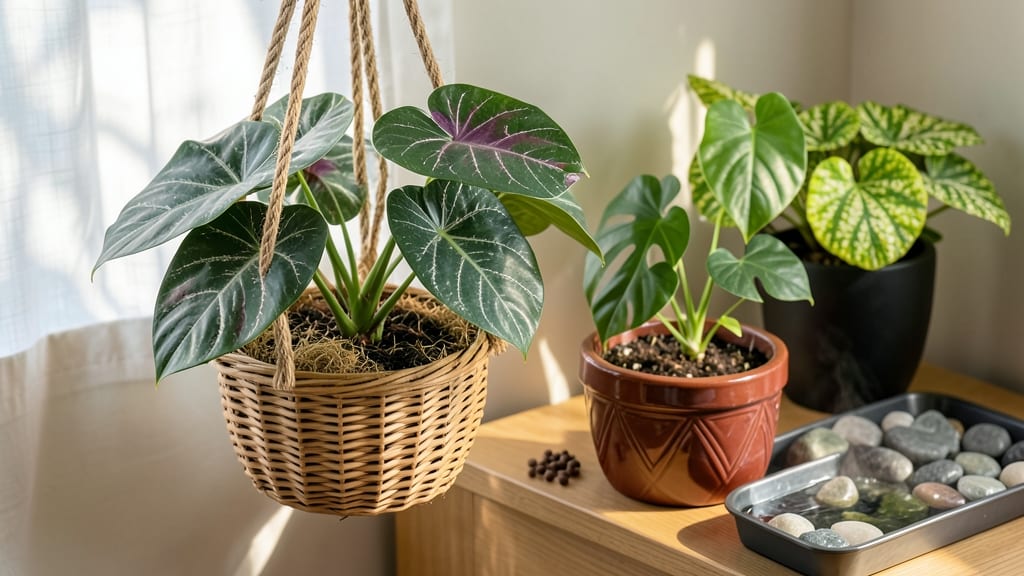
Garden ideas featuring alocasia plants turn ordinary spaces into vibrant tropical escapes with their bold, glossy leaves 🌿 — and the right pairings make all the difference.
Picture this: a shady corner bursting with deep greens, velvety purples, and striking black foliage, all arranged to create a lush, almost jungle-like atmosphere. That’s the magic of alocasia when styled intentionally, whether you’re working with containers, raised beds, or a full outdoor garden.
But here’s the thing—these plants aren’t just about looks. They thrive in the right conditions, and pairing them with complementary foliage (think calatheas, ferns, or even dramatic anthuriums) ensures your design stays cohesive while keeping care simple.
I’ll show you how to mix textures, colors, and heights for maximum impact, no matter your garden’s size or style.
From modern indoor setups to sprawling outdoor tropical retreats, you’ll discover easy-to-follow layouts, care tips, and plant combinations that let your alocasia shine—without the guesswork.
Best Alocasia varieties for stunning garden displays
Alocasia plants bring tropical drama to any garden with their bold foliage and architectural shapes. Whether you're designing a shaded courtyard or a humid greenhouse, choosing the right variety ensures your display will wow visitors.
These plants thrive in USDA zones 10-12 or indoors year-round in cooler climates.
From compact varieties perfect for containers to towering giants that command attention, alocasias offer endless possibilities. I’ll break down the top 5 varieties based on size, color, and care requirements to help you select the ideal fit for your space.
🌿 Pro Tip: Alocasias love high humidity and indirect light. Group them with other tropical plants to create a microclimate that mimics their natural habitat.
| Variety | Mature Height | Foliage Color | Best For | Care Level |
|---|---|---|---|---|
| Alocasia Polly | 2-3 ft | Dark green with silver veins | Containers, small gardens | Easy |
| Alocasia Zebrina | 3-5 ft | Deep green with purple stems | Focal points, shaded borders | Moderate |
| Alocasia 'Black Velvet' | 4-6 ft | Velvety black with silver undersides | Dramatic accents, large spaces | Moderate |
| Alocasia 'Dragon Scale' | 2-3 ft | Green with silver scales | Indoor displays, terrariums | Easy |
| Alocasia 'Frydek' | 5-6 ft | Silver-green with deep veins | Tropical gardens, large pots | Moderate |
If you're working with limited space, Alocasia Polly or 'Dragon Scale' are perfect choices. Their compact sizes make them ideal for indoor gardens or small balconies. For outdoor displays, opt for Alocasia Zebrina or 'Frydek', which create eye-catching statements in shaded areas.
💡 Lighting Tip: Place alocasias near east-facing windows for gentle morning light, or use grow lights indoors to prevent leaf scorch.
For maximum impact, pair Alocasia 'Black Velvet' with white anthuriums or bright calatheas. The contrasting colors will make both plants pop in your garden design. I’ve found that grouping 3-5 alocasias together creates a tropical jungle effect that feels intentional and lush.
All alocasias prefer well-draining soil mixed with peat moss or coconut coir. Add a thick layer of mulch to retain moisture and keep roots cool. In cooler climates, overwinter them indoors near a bright window to prevent leaf drop.
Ready to transform your space? Start with one variety and expand as you gain confidence. Your garden will thank you with vibrant, year-round interest!
Tropical plant pairings that elevate Alocasia dramas
Alocasias steal the show with their bold, elephant-ear leaves, but pairing them with the right tropical companions creates a show-stopping visual symphony. The key lies in contrasting textures, colors, and growth habits while keeping care requirements aligned.
For example, Alocasia zebrina's striking zebra stripes pop against the deep green velvety foliage of Philodendron hederaceum, while both thrive in high humidity and indirect light.
When designing your tropical haven, focus on height variation, leaf shape contrasts, and complementary care needs. A tall alocasia like Alocasia 'Black Velvet' pairs beautifully with trailing philodendrons or air plants to create a multi-level jungle effect.
Meanwhile, compact varieties like Alocasia 'Polly' shine when surrounded by calatheas or anthuriums for a lush, ground-hugging display.
- 🌿 Alocasia + Calathea – Velvet textures contrast perfectly; both love shade and humidity. Try Alocasia zebrina with Calathea orbifolia for a jungle vibe.
- 🌿 Alocasia + Philodendron – Heart-shaped leaves soften alocasia's boldness. Philodendron 'Brazil' adds vibrant red stems for drama.
- 🌿 Alocasia + Anthurium – Glossy leaves and heart-shaped blooms create a tropical paradise. Pair Alocasia 'Dragon Scale' with Anthurium clarinervium.
- 🌿 Alocasia + Ferns – Delicate fronds balance alocasia's boldness. Nephrolepis exaltata (Boston fern) adds airy movement.
- 🌿 Alocasia + Peperomia – Compact varieties like Peperomia obtusifolia add texture contrast without competing for space.
🌱 Pro Tip: Group plants with similar water needs to simplify care!
For outdoor gardens, combine alocasias with hostas or heucheras in shaded corners. These hardy perennials tolerate cooler temps, extending your tropical display into spring and fall. In containers, mix Alocasia 'Polly' with fittonia (nerve plants) for a compact, high-impact arrangement.
Color coordination matters too! Deep purple alocasias like 'Black Stem' pair stunningly with chartreuse calatheas, while silver-striped varieties glow next to burgundy anthuriums. Aim for 3-5 plants per container to create a full, layered look without overcrowding.
Don’t forget care harmony. Most alocasias need bright, indirect light and high humidity, so stick to companions with the same preferences. Avoid succulents or cacti—they require opposite conditions and will stress your alocasia. Instead, opt for moisture-loving plants like peace lilies or spider plants.
With these pairings, your alocasia won’t just survive—it’ll thrive as the star of a vibrant, low-maintenance tropical oasis. Start small, experiment with textures, and let your green thumb guide the way! 🌿