
Pests
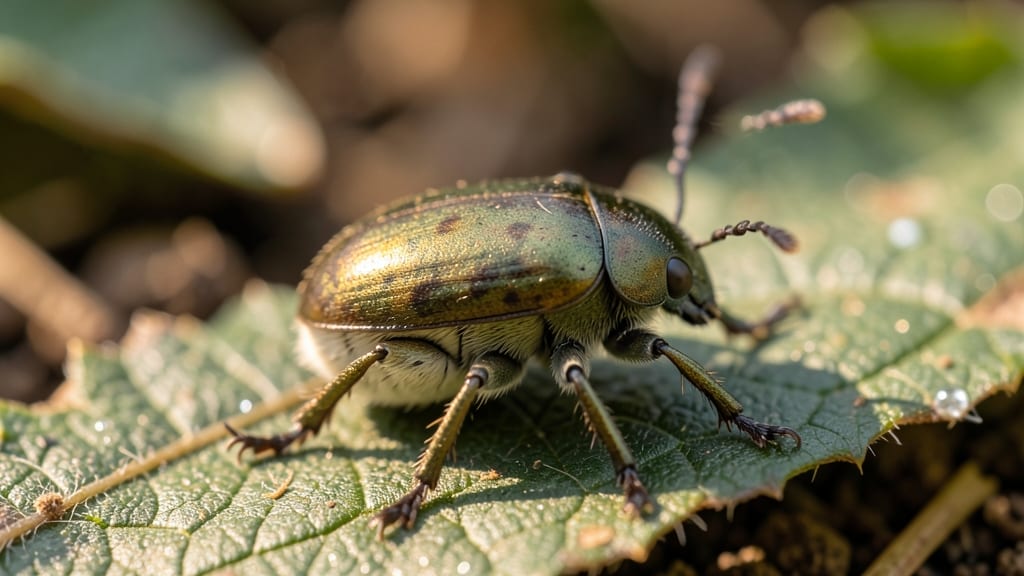
The Asiatic garden beetle is a voracious pest that can turn your garden’s hard work into a buffet of chewed leaves and wilting plants.
If your garden’s lush foliage is suddenly riddled with jagged, crescent-shaped holes—and you’re spotting plump, brown beetles lurking at dusk—they’re likely Asiatic garden beetles, one of the most destructive pests for home gardeners.
These beetles don’t just nibble; they devour entire leaves overnight, leaving behind a trail of destruction that’s hard to miss.
Understanding their life cycle is the key to stopping them before they wreak havoc. From eggs hidden in the soil to larvae feasting on roots, each stage offers a chance to interrupt their cycle with natural control methods.
Whether you’re growing vegetables or ornamental plants, knowing when and how to act can save your garden from irreversible damage.
In this guide, I’ll walk you through their four life stages, effective natural control methods, and the best times to intervene—so you can protect your plants without resorting to harsh chemicals. Let’s get started!
Asiatic garden beetle life cycle: egg to adult in 4 stages
Understanding the Asiatic garden beetle life cycle is key to stopping them before they devastate your garden. These pests go through four distinct stages, each with unique damage patterns and timing. By recognizing these stages early, you can intervene before your vegetables and ornamentals suffer severe harm.
The life cycle begins in late spring when adult beetles lay tiny white eggs in soil near host plants. These eggs hatch into creamy-white grubs that feed on roots, often going unnoticed until plants wilt unexpectedly.
The damage escalates as grubs mature into pupae, then emerge as adults to repeat the cycle.
Visual identification at each stage helps you act fast. Look for crescent-shaped leaf holes (adult feeding), wilted plants with no visible pests (larval root damage), or soil disturbances where pupae develop. Timing is everything—most damage occurs from June to August, when larvae are most active.
Seasonal timing varies slightly by region, but the cycle typically spans 45-60 days from egg to adult. In warmer climates, you may see two generations per year, while cooler areas might experience just one. Knowing when each stage peaks lets you target treatments effectively.
The egg stage is your first chance to interrupt the cycle. Adult beetles lay eggs in moist soil near host plants like beans, corn, and ornamentals. If you spot wilted plants with no visible pests, larvae are likely feeding on roots underground.
This stage is subtle, but mulching with diatomaceous earth can deter egg-laying.
Larvae cause the most damage by feeding on roots, often going unnoticed until plants collapse. These creamy-white grubs (up to 1" long) thrive in warm, moist soil and can defoliate entire plants overnight.
Look for yellowing leaves or stunted growth—signs of root damage. Handpicking or applying beneficial nematodes during this stage can save your garden.
During the pupa stage, beetles transform in the soil, emerging as adults in 2 weeks. You might see small disturbances in soil or hear faint rustling. This is a critical time to till the soil lightly to expose pupae to predators or sunlight, disrupting their development.
The adult beetle stage is when damage becomes visible. These 1/2" brown beetles with white markings feed on leaf edges, creating crescent-shaped holes. They’re most active at dusk and dawn, making them harder to spot.
Handpicking or using beer traps can reduce their numbers before they lay more eggs.
Knowing these stages helps you time interventions effectively. For example, early summer is prime time for larvae, while late summer sees adult feeding. By monitoring your garden weekly, you can catch infestations early and protect your plants before damage becomes irreversible.
Prevention starts with healthy soil. Amend your garden with compost and organic matter to encourage beneficial predators like ground beetles and birds. Regularly inspect plants for early signs of damage, and act quickly—the sooner you intervene, the better your garden’s chances of recovery.
🌱
Natural control methods for Asiatic garden beetles: chemical-free solutions
When Asiatic garden beetles strike, my first instinct is to avoid harsh chemicals that can harm beneficial insects and the environment. Instead, I rely on a mix of mechanical removal, natural predators, and plant-based deterrents to keep these pests in check.
These methods not only protect your garden but also maintain the delicate balance of your ecosystem.
One of the most effective strategies is hand-picking beetles during their active hours—early morning or late evening. Simply drop them into a bucket of soapy water to prevent re-entry into your garden.
For larger infestations, I’ve found that beer traps (a buried container filled with beer) can lure and drown adult beetles, reducing their numbers significantly.
Natural Control Methods for Asiatic Garden Beetles
Hand-Picking
Pros: Immediate removal, no chemicals, works for all life stages.
Cons: Time-consuming, best for small infestations.
Beneficial Predators
Pros: Long-term ecosystem balance, no labor required.
Cons: Slow results, requires habitat support.
Beer Traps
Pros: Effective for adults, easy to set up.
Cons: Attracts other pests, needs frequent refreshing.
Neem Oil Spray
Pros: Disrupts feeding, organic-approved.
Cons: Must reapply after rain, can harm some plants.
Introducing beneficial predators like ground beetles, parasitic wasps, and birds can create a natural defense system. I’ve planted native wildflowers and shrubs around my garden to attract these helpers. For example, dill, fennel, and Queen Anne’s lace are magnets for parasitic wasps that prey on beetle larvae.
Soil health plays a crucial role in disrupting the beetle’s life cycle. Amending your soil with compost and organic matter improves its structure, making it harder for larvae to pupate. I also rotate crops annually to break the beetle’s life cycle and reduce egg-laying opportunities.
For a quick fix, I’ve had success with neem oil sprays or garlic-based repellents. These disrupt the beetles’ feeding habits without harming your plants. Always apply in the early evening to avoid harming pollinators like bees. Pair this with mulching to deter adults from laying eggs in your soil.
Consistency is key—combine these methods for the best results. Start with hand-picking and traps, then reinforce with natural predators and soil amendments. Over time, your garden will become less inviting to these pests while maintaining its health and vitality. 🌱