
Advice
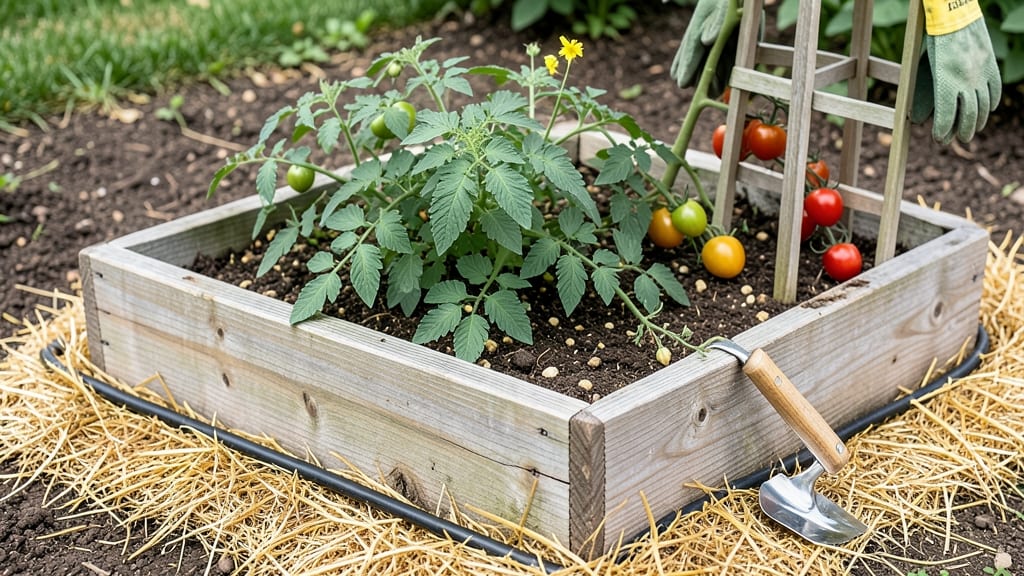
Raised garden beds offer the benefits of superior soil health, better drainage control, and longer growing seasons while minimizing weeds and soil compaction—all of which promote deeper root systems and more abundant harvests.
The benefits of raised garden beds are transformative for plant growth, creating a controlled environment where you can customize soil mixes to match your plants' needs, unlike regular garden beds that rely on native soil. 🌱 The raised structure also warms up faster in spring, giving you a head start on planting, and the contained design prevents erosion while keeping pests at bay.
I've seen firsthand how tomatoes and peppers thrive in raised beds—they develop stronger stems and produce heavier fruit because the roots aren't competing with compacted soil or invasive grasses.
What's particularly impressive is how raised beds transform poor-quality soil into fertile growing medium. You can layer in compost, coconut coir, and organic matter to create the perfect mix, which stays loose and nutrient-rich for years.
This approach is especially valuable in urban areas or spaces with heavy clay soil where traditional gardening struggles. The key is maintaining proper depth—at least 12 inches—to accommodate root growth while preventing waterlogging.
💡 In This Article
- How Raised Beds Boost Soil Quality and Plant Growth
- Best Practices for Designing and Maintaining Raised Garden Beds
How raised beds boost soil quality and plant growth
The secret to raised beds' success lies in their ability to create an optimal growing environment through soil aeration. Unlike in-ground planting, where soil often becomes compacted from foot traffic or machinery, raised beds maintain loose, well-aerated soil. This happens because the contained structure prevents compression from above.
Roots can spread freely in 3D space rather than struggling in a 2D plane, which is why plants like carrots and potatoes grow straighter and larger—sometimes reaching 20-30% deeper than in ground soil.
Temperature regulation is another game-changer. Raised beds warm up 10-14 days earlier in spring because they absorb and retain heat from sunlight more efficiently. The soil temperature at root level stays 5-10°F warmer than ground soil, which is critical for heat-loving plants like tomatoes and peppers.
This extended growing season means you can plant earlier and harvest later, giving you 4-6 more weeks of productivity annually. The science behind this is simple: darker bed materials (like untreated wood) absorb more solar radiation, while the elevated structure allows air to circulate underneath, preventing overheating.
Nutrient retention is where raised beds truly shine. You can customize the soil mix to match your plants' needs—something impossible with native soil. A typical raised bed might contain 60% topsoil, 30% compost, and 10% perlite or sand for drainage.
This blend stays loose and fertile for years, unlike ground soil that depletes nutrients quickly. The contained design also minimizes nutrient runoff, keeping essential minerals like nitrogen and phosphorus available to roots.
For example, leafy greens like kale and spinach grow 30-50% faster in raised beds because they have constant access to balanced nutrition.
Microbial activity thrives in raised beds too. The ideal soil structure encourages beneficial bacteria and fungi that break down organic matter into plant-available nutrients. Studies show raised beds can have 2-3 times more microbial biomass than ground soil, which improves nutrient cycling and disease resistance.
The lack of soil compaction means roots encounter fewer anaerobic pockets where harmful bacteria flourish. This is why plants in raised beds often show fewer signs of root rot and other soil-borne diseases.
Let's compare this to traditional in-ground planting. Ground soil often suffers from compaction (especially after rain), poor drainage, and limited customization. Raised beds eliminate these issues by giving you control over soil composition, moisture levels, and structure.
For instance, while ground soil might stay waterlogged for days after heavy rain, a raised bed with proper drainage layers (like gravel at the bottom) sheds excess water in hours, preventing root suffocation.
This is particularly valuable in areas with heavy clay or sandy soils that struggle with moisture extremes.
One common misconception is that raised beds dry out too quickly. While they do lose moisture faster than ground soil, this is easily managed with 2-3 inches of mulch and regular watering at the soil level (not overhead).
The trade-off is worth it: plants develop stronger root systems because they must seek out moisture in the loose soil rather than relying on surface water. This resilience pays off during droughts when ground-planted crops often wilt while raised bed plants continue thriving.