
Vegetables
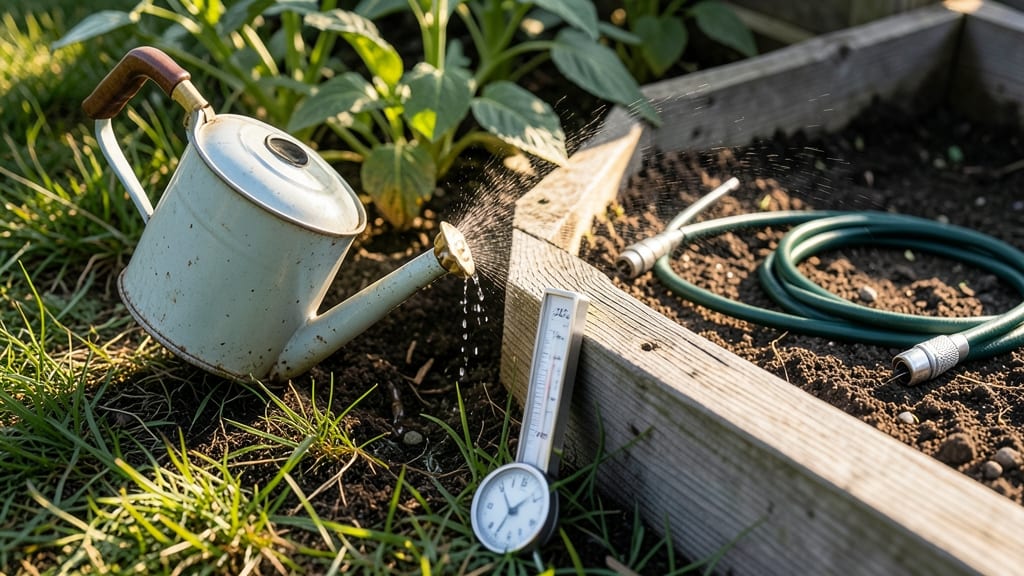
Watering your vegetable garden at the right time of day is the difference between thriving 🥬 plants and wasted effort—and early morning is where the science wins.
Picture this: you’ve just spent 30 minutes watering your garden, only to watch half that water vanish into the air by noon. That’s not just lost moisture; it’s lost nutrients, higher fungal risks, and plants that never get the deep drink they need.
Timing matters more than you think, and the clock isn’t just ticking—it’s deciding whether your harvest will be healthy or struggling.
Most gardeners assume evening watering works, but humidity overnight can turn your soil into a fungal buffet. Meanwhile, midday watering? That’s a fast track to leaf scorch and stressed plants.
The truth is, cooler hours—like those 6-9 AM slots—let water sink in efficiently, keeping roots happy and evaporation low. That’s the gold standard for a reason.
In this guide, I’ll break down the best times by climate, the plants that bend the rules, and how to fix common mistakes—so you can water smarter, not harder, and watch your vegetable garden reward you with stronger growth and bigger yields.


Why early morning watering is the gold standard for vegetable gardens
If you’ve ever wondered why your tomatoes or peppers seem wilted despite regular watering, the answer might lie in your watering schedule. Early morning watering—between 6-9 AM—isn’t just a gardening myth; it’s backed by science.
This window minimizes water waste, reduces fungal diseases, and ensures your plants absorb moisture efficiently. Let’s break down why this time slot is the gold standard for your vegetable garden.
One of the biggest reasons to water in the morning is evaporation control. Studies show that up to 60% of water can evaporate before reaching roots when applied midday.
In contrast, early morning watering ensures 80-90% absorption because cooler temperatures and lower wind speeds keep moisture in the soil where it belongs. This means your carrots and spinach get the hydration they need without wasting precious resources.
Morning watering also reduces fungal risks like powdery mildew or blight. When leaves stay dry during the day, they’re less hospitable to spores that thrive in damp, humid conditions. Wet foliage at night creates the perfect breeding ground for these pathogens, which can devastate your cucumber or zucchini plants.
By watering early, you give leaves time to dry out naturally, keeping your garden healthier.
Another critical factor is root absorption efficiency. Plants are most active in the morning, absorbing water and nutrients through their roots. A deep soak in the early hours ensures roots have access to moisture when they need it most, promoting stronger growth and higher yields.
This is especially important for deep-rooted crops like squash or corn, which require consistent hydration to thrive.
Let’s compare the key differences between watering times with this summary table to see why early morning stands out:
| Time Slot | Evaporation Rate | Disease Risk | Root Absorption Efficiency | Best For |
|---|---|---|---|---|
| 6-9 AM (Early Morning) | Low (10-20%) | Very Low | High (80-90%) | All vegetables |
| 10 AM-2 PM (Midday) | High (40-60%) | High | Low (30-50%) | Emergency top-ups only |
| 4-7 PM (Evening) | Moderate (25-35%) | Moderate | Moderate (50-70%) | Leafy greens only |
Cooler morning temperatures also minimize plant stress. When you water during peak heat, the sun’s intensity can cause droplets on leaves to act like magnifying glasses, burning foliage—a problem known as leaf scorch.
This is especially damaging to delicate crops like lettuce or basil. By sticking to early morning watering, you avoid this issue entirely and keep your plants thriving.
For container gardens, morning watering is equally critical. Potted plants dry out faster, and their limited soil volume means every drop counts. Watering in the morning ensures containers retain moisture longer, reducing the need for frequent top-ups.
Plus, it’s easier to monitor soil moisture levels when you’re not battling the heat of the day.
If you’re growing heat-sensitive crops like peppers or eggplants, early morning watering becomes even more essential. These plants struggle with water stress and can develop blossom-end rot if their moisture needs aren’t met consistently.
A deep watering in the morning sets them up for success, ensuring they have the hydration they need to produce fruit.
Even if you’re using drip irrigation or soaker hoses, timing matters. These systems are most effective when water is applied slowly and consistently in the morning. This allows for even distribution without the risk of runoff or fungal growth that can occur with evening watering.
Think of it as giving your garden a slow, steady drink first thing in the morning.
So next time you’re reaching for your watering can, consider the clock. Early morning watering isn’t just a suggestion—it’s a game-changer for your vegetable garden’s health, efficiency, and productivity. Your plants will thank you with stronger growth, fewer diseases, and a bountiful harvest. 🌱
When evening watering Might Work—and When to Avoid It Completely
Evening watering can feel like a lifesaver on hot afternoons, but it’s not a one-size-fits-all solution for your vegetable garden. The 4-7 PM window offers cooler temps and less evaporation than midday, but it also brings risks like fungal diseases and shallow moisture penetration.
Let’s break down when it works—and when to skip it entirely.
If you’re growing leafy greens like lettuce or spinach, evening watering can be a viable option.
These plants thrive with consistent moisture and tolerate higher humidity better than fruiting vegetables. Herbs like basil and cilantro also benefit from the cooler evening air, as it reduces leaf stress and dust accumulation.
However, tomatoes, peppers, and cucumbers are another story. These heat-loving crops need deep watering to establish strong roots, and evening sessions often leave water sitting on the soil surface overnight. This creates the perfect conditions for powdery mildew and other fungal issues that can devastate your harvest.
Evening Watering: Pros & Cons
✅ Pros
- Cooler temps reduce evaporation
- Less water waste than midday
- Ideal for herbs and shallow-rooted greens
- Reduces leaf dust for better photosynthesis
❌ Cons
- Higher humidity promotes fungal diseases
- Shallow moisture doesn’t penetrate deeply
- Risk of over-saturation if morning watering is skipped
- Not ideal for heat-sensitive crops like cucumbers
For evening watering to work, focus on leafy vegetables and avoid wetting foliage whenever possible. Use drip irrigation or soaker hoses to deliver water directly to the soil, keeping leaves dry. If you’re growing fruiting plants, stick to morning watering to ensure deep root absorption and minimize disease risk.
In humid climates, evening watering is riskier due to prolonged leaf wetness. If you must water in the evening, finish at least 2-3 hours before sunset to allow foliage to dry. Always pair watering with proper mulching to retain moisture and regulate soil temperature.
Ultimately, early morning remains the gold standard for most vegetable gardens, but evening sessions can be a strategic backup—especially for shallow-rooted plants in dry climates. Monitor your garden closely and adjust based on plant type and weather conditions.