Planting
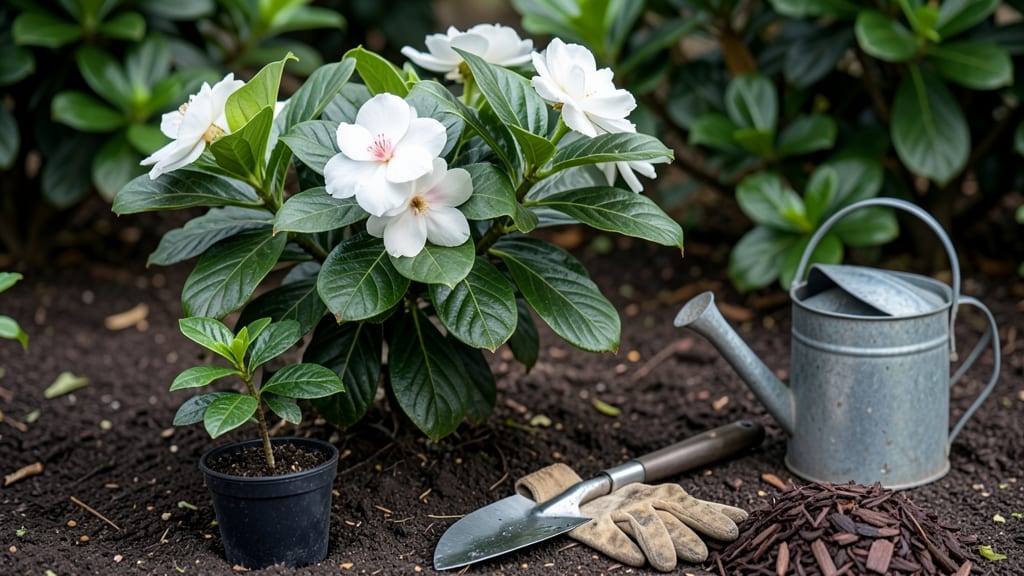
Planting gardenias at the best time ensures those fragrant, creamy-white blooms 🌸 become a summer staple in your garden.
If you’ve ever dreamed of a fragrant garden filled with velvety white blooms, timing your gardenia planting just right is the secret to success—especially in Southern heat zones where these tropical beauties thrive.
In USDA zones 8-11, the ideal window runs from late spring to early summer, right after the last frost. This gives roots time to establish before the heat peaks, setting the stage for lush foliage and those signature blooms.
Below, I’ll walk you through the exact months for your region, soil prep tricks, and how to avoid the most common mistakes that kill gardenias before they even take root.


Optimal planting months for gardenia in Southern heat zones
If you’re planting gardenias in Southern heat zones, timing is everything. These tropical shrubs thrive in USDA zones 8-11, where summer heat and humidity create perfect conditions—but planting too early or late can stress your plant.
The key is avoiding extreme heat during root establishment while giving young plants time to adapt before winter chills arrive.
Southern gardeners often face a dilemma: early spring planting risks heat stress, while late summer planting may leave plants vulnerable to fall temperature drops. The solution lies in understanding your specific zone’s microclimate and adjusting your schedule accordingly.
For example, in zone 11, where winters are mild, you have more flexibility than in zone 8, where even light frosts can damage tender roots.
Here’s the critical comparison for Southern gardeners: spring planting (March-May) offers cooler soil temperatures but requires constant moisture, while summer planting (July-August) capitalizes on natural rainfall but demands faster root establishment before cooler months arrive.
| USDA Zone | Best Planting Window | Soil Temp | Key Consideration | Post-Planting Care |
|---|---|---|---|---|
| 8-9 | Late March - Early May | 60-70°F | Avoid late frosts | Mulch heavily |
| 10 | April - June or August | 70-75°F | Balanced heat/moisture | Water deeply weekly |
| 11 | March-April or August-Sept | 75-80°F | Year-round options | Shade cloth for young plants |
In USDA zones 8-9, focus on late March to early May planting when soil temperatures stabilize above 60°F. This window gives young gardenias time to establish roots before summer heat peaks.
For zone 10, you have two options: April-June or August, with August planting particularly advantageous if you use shade cloth to protect tender new growth.
Zone 11 gardeners enjoy the most flexibility, with March-April or August-September both viable. The key is avoiding intense midday sun during transplanting. I’ve found that late afternoon planting (after 4 PM) reduces transplant shock in these hot climates. Always water thoroughly before and after planting to encourage root expansion.
One common mistake is planting gardenias too early in zone 8, where late frosts can still occur. Check your local frost-free date and wait at least 2-3 weeks after the last frost before planting.
For container gardenias, you can extend your planting window by 4-6 weeks since pots warm up faster than ground soil.
After planting, maintain consistent moisture by watering deeply 2-3 times per week for the first month. Gardenias in full sun will need more frequent watering, while those in partial shade can go slightly longer between waterings.
I recommend using a soil moisture meter to check depth—aim for 1-2 inches of moisture at all times.
For Southern gardeners, mulching is non-negotiable. Apply 3-4 inches of organic mulch (like pine bark) to retain moisture and regulate soil temperature. This is especially critical in zone 11, where summer heat can dry out soil rapidly. Replenish mulch every 6-12 months to maintain effectiveness.
Remember that gardenias are tropical plants at heart. Even in Southern climates, they need protection from extreme temperature swings. If you’re in zone 8 and experience early fall chills, consider container planting so you can move plants to a sheltered location when needed.
This flexibility is one of the biggest advantages of container gardening for gardenias.
Finally, don’t overlook the importance of soil pH. Gardenias thrive in acidic soil (pH 5.0-6.0). If your native soil is alkaline, amend it with sulfur or peat moss before planting.
I’ve seen gardenias in zone 10 fail to bloom simply because the soil pH was too high—always test your soil before planting to avoid this common pitfall.
With the right timing and care
Signs your gardenia planting timing is perfect (or wrong)
Planting your gardenia at the wrong time can mean the difference between a fragrant, blooming shrub and a struggling plant that never reaches its full potential. In Southern heat zones, timing is everything—especially since gardenias are tropical divas that despise cold snaps.
The key lies in reading your local climate cues like a pro gardener. Let’s break down the critical signs that tell you whether your gardenia’s planting window is ideal or a bust.
First, check your soil temperature. Gardenias thrive when soil stays consistently above 60°F (15°C). Use a soil thermometer to confirm—if it’s cooler, wait. Cold soil stunts root growth and stresses the plant. Next, monitor your local frost dates.
Planting too early risks frost damage, while waiting too long may mean your gardenia struggles to establish before summer heat sets in. Southern gardeners should aim for late spring to early summer, after the last frost but before peak summer humidity.
🌱 Numbered Highlights: Perfect Planting Timing Checklist
- 🌡️ Soil temp: 60°F+ (15°C+)
- 🌱 Root growth: Active sprouting within 2 weeks
- ☀️ Sunlight: Morning sun only (afternoon shade)
- 🌧️ Rainfall: No heavy rains for 48 hours post-planting
- ❄️ Frost risk: Zero frost forecast for 2 weeks
⚠️ Warning: Planting during peak summer heat (above 90°F/32°C) can cause transplant shock. Opt for early summer instead.
Don’t overlook the seasonal cues from your gardenia’s environment. If you notice new growth on nearby plants like azaleas or camellias, it’s a green light—these are fellow acid-loving shrubs that thrive in the same conditions. Another telltale sign? Humidity levels.
Gardenias love moisture in the air, so planting during a mild, humid spell (like late spring in the South) gives them the perfect head start. Avoid planting during dry spells or when humidity plummets, as this can stress the roots.
Watch for pest activity too. If you spot aphids or spider mites on other plants, delay planting—these pests target stressed gardenias. Healthy soil teeming with earthworms and beneficial microbes is another good sign.
Dig a small test hole near your planting spot; if you find these critters, your timing is likely spot-on. Finally, check the moon phase. While not scientific, many Southern gardeners swear by planting during the waxing moon for stronger root development.
On the flip side, red flags include yellowing leaves (a sign of overwatering or poor drainage), wilting despite deep watering (heat stress), or no new growth after 3 weeks (root damage).
If your gardenia arrives root-bound or with dry, brittle roots, it’s been sitting too long in a nursery pot—plant it immediately or wait for a fresh shipment. In Southern climates, August planting is a gamble; opt for June or early July instead for the best results.
Remember, gardenias reward patience. If your timing isn’t perfect, don’t panic—just adjust your watering and shading to support the plant. With the right cues, your gardenia will thank you with velvety blooms by late summer. Now grab your gloves and dig in—your fragrant paradise is waiting! 🌸