Vegetables
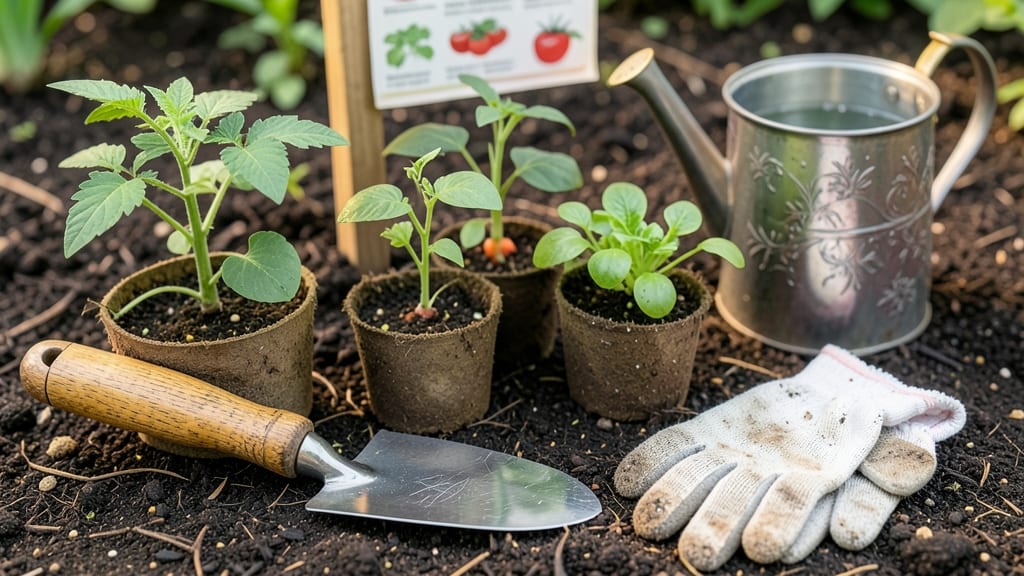
Planting a vegetable garden at the best time ensures fast growth and a bountiful harvest 🌱 — timing isn’t just a suggestion, it’s the difference between a thriving plot and a season of disappointment.
Timing is everything in gardening—plant your vegetables at the wrong time, and you’ll spend months waiting for harvests instead of enjoying fresh, homegrown produce. The best planting schedule depends on your climate zone, frost dates, and even the specific crops you’re growing.
Cool-season vegetables like lettuce and peas thrive when soil temperatures are still chilly, while warm-season crops like tomatoes and peppers need the ground to heat up first. Missing these windows means slower growth, weaker plants, or even total failure.
In this guide, I’ll break down the exact planting calendar for your zone, from seed-starting dates to direct sowing, so you can maximize your garden’s potential and enjoy a harvest that’s both faster and more abundant.


How to determine your planting Zone and frost dates for optimal growth
Understanding your USDA Hardiness Zone and frost dates is the foundation of successful vegetable gardening. These factors determine which plants thrive in your area and when to plant them for maximum yield.
Without this knowledge, you might plant too early and risk frost damage or too late and miss the growing season entirely.
Your planting zone isn't just about temperature—it also affects soil conditions, daylight hours, and even pest cycles. For example, a tomato plant in Zone 5 needs a longer growing season than one in Zone 9.
Let's break down how to find your zone and calculate frost dates so you can align your planting schedule with nature's rhythm.
🌱
| Key Factor | How to Find It | Why It Matters |
|---|---|---|
| USDA Hardiness Zone | Use USDA Zone Finder tool or enter ZIP code at planthardiness.ars.usda.gov | Determines which perennial plants survive winter and which vegetables grow best |
| Last Frost Date | Check local weather averages or use Almanac's Frost Calculator | Signals safe time to plant warm-season crops like peppers and tomatoes |
| First Frost Date | Find historical frost dates from your local cooperative extension office | Helps schedule cool-season crops like spinach and kale for fall harvests |
| Heat Zone Map | Use American Horticultural Society Heat Zone Map for summer temperature ranges | Guides tropical plants and heat-sensitive varieties like okra |
| Growing Degree Days | Calculate using NOAA climate data for your location | Predicts when slow-growing crops like carrots reach maturity |
Once you've identified your USDA Hardiness Zone (most areas fall between Zone 3 and Zone 10), focus on your last frost date—this is the average date when temperatures drop below 32°F (0°C) in spring.
For example, in Zone 6, the last frost typically occurs around April 15, while in Zone 9, it might be as late as March 1. This date marks when you can safely plant warm-season vegetables like tomatoes and peppers.
Don't overlook your first frost date either—this tells you when to harvest cool-season crops before winter sets in. In Zone 5, the first frost usually arrives by October 15, while Zone 8 gardeners might have until November 15.
Planning around these dates ensures you get the most from your garden's growing season.
For heat-loving plants, consider using the American Horticultural Society Heat Zone Map, which divides the U.S. into 12 zones based on summer temperatures. A Zone 10 (hot summers) might support year-round planting of sweet potatoes, while Zone 5 (cooler summers) requires more careful selection of heat-tolerant varieties.
Pro tip: Use a frost-free date calculator to estimate your local conditions if historical data isn't available. Many local cooperative extension offices provide free gardening guides with frost date information tailored to your region.
This extra step can mean the difference between a thriving garden and one that struggles to produce.
🌡️
Remember that microclimates within your yard can create local variations. A south-facing wall or a sheltered spot might experience 2-3 weeks earlier last frost dates than the official average. Test your soil temperature with a soil thermometer—most vegetables need soil at least 50°F (10°C) before planting.
This simple check can prevent planting too early and risking frost damage.
By mastering these planting zone fundamentals, you'll create a customized schedule that maximizes your garden's potential. Whether you're growing leafy greens in early spring or tomatoes in summer, aligning your planting with your local climate ensures faster growth and bigger harvests.
Zone-specific planting calendar: when to start seeds indoors vs. direct sowing outdoors
Knowing the best time to plant your vegetable garden depends on whether you're starting seeds indoors or sowing directly outdoors. Cool-season crops like lettuce and peas thrive when soil temperatures are below 70°F, while warm-season plants like tomatoes and peppers need warm soil (60°F+) to germinate properly.
Your USDA zone shifts these windows by weeks, so let's break it down month-by-month for Zones 3-10.
For cool-season vegetables, I always start seeds 6-8 weeks before the last expected frost date in my zone. In Zone 5, that means late February to early March for indoor starts, with direct sowing beginning 2-4 weeks before the last frost.
Warm-season crops get a 4-6 week head start indoors, with outdoor planting delayed until 2 weeks after the last frost date.
Here's a quick reference to compare indoor seed starting versus direct outdoor sowing across zones:
When transplanting seedlings outdoors, I always harden them off for 7-10 days before moving them to the garden. This means gradually exposing them to outdoor conditions during the day while bringing them back inside at night.
For warm-season crops, wait until nighttime temperatures stay above 50°F consistently to avoid transplant shock.
For succession planting, I make notes of my first harvest dates and plan to sow fast-maturing crops like radishes or lettuce every 2-3 weeks throughout the growing season. This ensures a continuous harvest instead of one big bounty followed by nothing.
In Zone 7, I might sow bush beans in April, May, and June for staggered harvests all summer.
Remember that soil temperature matters just as much as air temperature. Use a soil thermometer to confirm your garden bed is ready—50°F for cool crops and 60°F+ for warm crops. If your soil is too cold, your seeds may rot in the ground instead of germinating.
Pro tip: Keep a gardening journal to track your actual frost dates versus the averages. Over time, you'll spot patterns in your microclimate that let you fine-tune your planting schedule for even better results. 🌱