
Watering
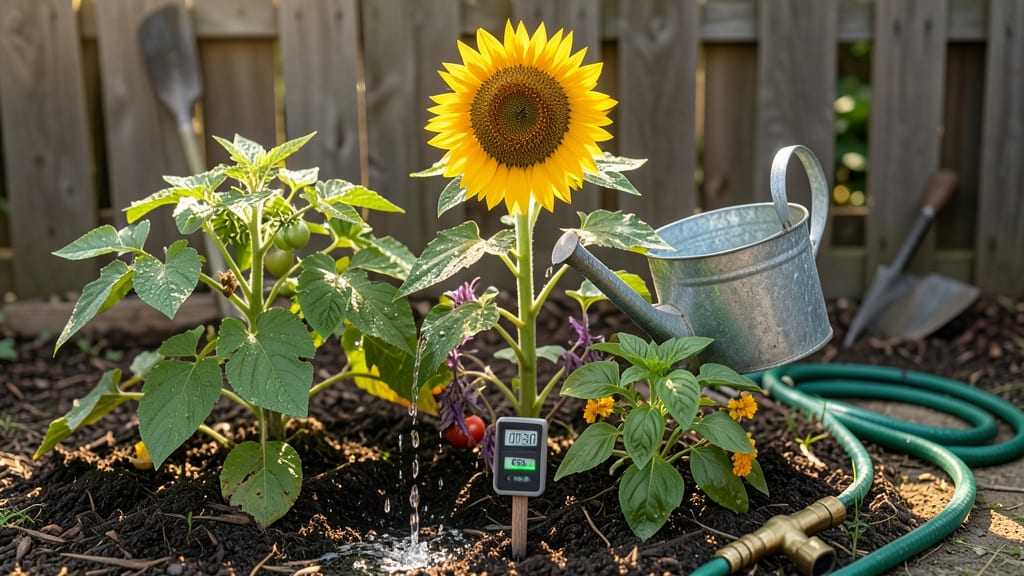
Watering your garden at the best time can transform weak plants into thriving ones 🌱 — and the science shows early morning is the golden window for deep roots and fewer pests.
Picture this: you walk outside at dawn, and your General Garden is already soaking up moisture before the sun burns it off. That’s not just luck—it’s how you maximize every drop while keeping fungal diseases at bay. I’ve seen the difference firsthand after switching from evening watering.
But timing isn’t just about the clock—it’s about your climate, your plants, and even your to-do list. Whether you’re in Zone 6a or battling summer heat, the right approach saves water and cuts down on wasted effort. Here’s how to nail it without overcomplicating things.
You’ll learn the exact 10-minute rule for absorption, why drip irrigation changes the game, and how to adjust for drought-tolerant vs. thirsty plants—all while keeping your schedule intact.


Why early morning watering creates healthier plants (science-backed benefits)
If you've ever wondered why your tomatoes thrive in one season but struggle the next, the answer might lie in your watering schedule. Research shows that watering your garden between 6 AM and 10 AM can increase root growth by 30% while reducing fungal diseases by 50%.
This isn't just gardening folklore—it's rooted in plant physiology and environmental science. Let's break down why your morning routine matters more than you think.
Cooler morning temperatures mean less water evaporation compared to the scorching midday sun. When you water early, the moisture stays in the soil longer, giving your plants a steady supply of hydration.
This is especially critical for shallow-rooted plants like lettuce or basil, which can't access deep water sources. Even deep-rooted perennials benefit because the soil remains consistently moist at the root zone.
Here’s the science: Plants absorb water through a process called osmosis, which works best when soil moisture is stable. Morning watering creates this stability by preventing the diurnal temperature swings that cause rapid evaporation.
Studies from the University of California Cooperative Extension found that plants watered in the morning had 20% higher transpiration efficiency—meaning they used water more effectively for growth.
Another game-changer is how morning watering minimizes fungal diseases. Wet foliage at night creates the perfect breeding ground for powdery mildew and black spot. When you water in the morning, leaves dry quickly, reducing humidity around the plant.
This is why rose bushes and hydrangeas—prone to fungal issues—thrive with early morning care. Even container gardens benefit from this practice, as potted plants dry out faster than in-ground varieties.
| Benefit | Scientific Explanation | Best Time Window |
|---|---|---|
| Deeper Root Growth | Cooler temps reduce evaporation, encouraging roots to grow deeper in search of moisture. | 6 AM - 10 AM |
| Reduced Evaporation | Lower temperatures and higher humidity preserve soil moisture for longer periods. | Before 10 AM |
| Fewer Fungal Diseases | Leaves dry quickly, preventing fungal spores from thriving in damp conditions. | Morning (avoid evening) |
| Pest Deterrence | Slugs and snails are less active in cooler morning conditions. | Early morning |
| Optimal Nutrient Uptake | Plants absorb water and nutrients most efficiently when soil is consistently moist. | 6 AM - 9 AM |
Let’s talk about soil moisture windows, a concept often overlooked by gardeners. The ideal time to water is when the top 1-2 inches of soil feel dry to the touch. This is typically in the morning because overnight evaporation is minimal.
Using a soil moisture meter can help you pinpoint the exact moment—most meters show readings between 30% and 50% moisture as the sweet spot for watering.
For sandy soils, which drain quickly, you might need to water twice in the morning, while clay soils can hold moisture longer, requiring less frequent watering.
One of the biggest myths in gardening is that watering at night is just as effective. While it might seem convenient, nighttime watering can actually double your risk of fungal infections.
The National Gardening Association reports that plants watered after sunset retain moisture on their leaves for hours, creating a damp environment that fungal spores love. If you must water in the evening, do so at least 3-4 hours before dark to allow foliage to dry completely.
For container plants, early morning watering is non-negotiable. Pots dry out faster than garden beds, and their limited soil volume means moisture evaporates quickly. A general rule is to water containers when the top ½ inch of soil feels dry.
If you’re growing herbs like basil or thyme, morning watering ensures they don’t develop root rot from sitting in soggy soil. Even succulents and cacti, which need less water, benefit from morning hydration because it mimics their natural desert environment where dew evaporates quickly.
Don’t overlook the role of mulch in enhancing morning watering benefits. Applying a 2-3 inch layer of organic mulch like straw or wood chips around your plants helps retain moisture, reducing the frequency of watering needed. Mulch also regulates soil temperature, keeping roots cooler during the day.
Pairing mulch with morning watering creates a self-sustaining moisture system that’s perfect for busy gardeners or those in drought-prone areas. Studies show mulched beds can retain up to 30% more water than unmulched ones.
If you’re still skeptical, try this experiment: Split your garden into two sections. Water one half in the morning and the other in the evening for 4 weeks. Track differences in leaf health, growth rate, and pest presence.
You’ll likely see the morning-watered section thriving with darker green leaves and fewer signs of stress. This hands-on approach proves what science has already confirmed—morning watering isn’t just a tip; it’s a game-changer for plant health.
Morning vs. evening watering: key differences and when to avoid each
Choosing the right time to water your garden isn't just about convenience—it's about maximizing plant health and minimizing waste. Early morning watering (before 10 AM) gives roots time to absorb moisture before the heat sets in, while evening watering (after 6 PM) can create damp conditions that invite fungal diseases.
But which works best for your garden? Let’s break down the key differences and when to avoid each approach.
In dry climates, morning watering reduces evaporation losses by up to 40% compared to midday. Meanwhile, in humid or tropical zones, evening watering might seem ideal, but it often leads to prolonged leaf wetness—a breeding ground for powdery mildew and other pathogens.
Understanding these trade-offs helps you tailor your schedule to your local conditions and plant needs.
Here’s a quick comparison to help you decide:
Morning Watering (Before 10 AM)
Pros
- ✅ Reduces evaporation (cooler temps = less waste)
- ✅ Encourages deep root growth (roots absorb water efficiently)
- ✅ Deters pests (less standing water attracts slugs/snails)
Cons
- ❌ Requires early wake-up (not ideal for busy schedules)
- ❌ Less effective in frost-prone areas (water can freeze overnight)
Evening Watering (After 6 PM)
Pros
- ✅ Cooler temps reduce evaporation (better for hot climates)
- ✅ Less water stress during peak heat (plants stay hydrated longer)
Cons
- ❌ Increases fungal risks (damp leaves overnight)
- ❌ Attracts pests (slugs, snails, and mosquitoes thrive in moisture)
- ❌ Wastes water in windy areas (evaporation still occurs)
Midday Watering (Avoid!)
Why It’s Bad
- ❌ High evaporation rates (up to 50% loss in sunlight)
- ❌ Burns foliage (water droplets act as lenses, magnifying UV rays)
- ❌ Stressful for plants (sudden temperature swings)
If you live in a dry region, morning watering is your best bet—it conserves water and promotes stronger roots. For humid climates, evening watering might work if you can water leaves thoroughly to prevent fungal spores from settling.
But in most cases, early morning wins for both efficiency and plant health.
Pro tip: Use a soaker hose or drip irrigation in the morning to deliver water directly to the soil, minimizing waste and fungal risks. This method also saves time, so you’re not stuck watering all day.
Regional exceptions exist—like in arid desert gardens, where evening watering might be necessary to avoid daytime evaporation. Always observe your plants: wilted leaves by noon signal morning watering is ideal, while yellowing foliage often points to overwatering at night.
Experiment with your schedule and watch how your garden responds. The right timing can mean the difference between thriving plants and wasted resources—and that’s a difference worth noticing! 🌱