
Fertilization
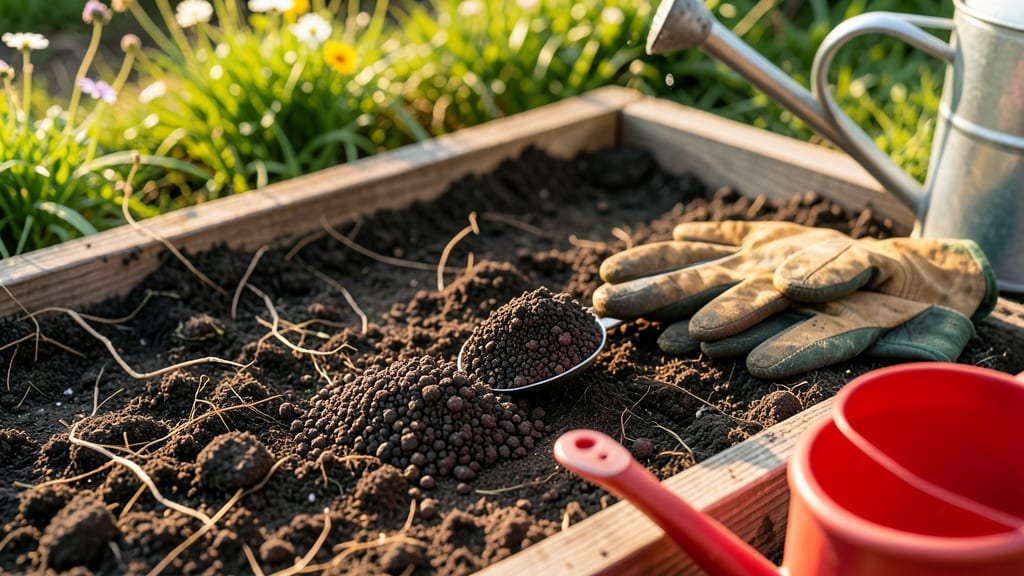
Blood meal garden fertilizer delivers fast-acting nitrogen to nourish plants and naturally inhibits weed growth by disrupting seed germination, thanks to its high protein content. Use it carefully to prevent plant burn or pest attraction.
This organic fertilizer works by breaking down into ammonia, which plants absorb quickly, making it ideal for leafy greens and flowering plants. 🌱 Unlike synthetic options, it also contains amino acids that support microbial activity in the soil.
The weed suppression happens because blood meal interferes with weed seeds' ability to sprout, giving your desired plants a competitive edge.
For best results, apply ½ to 1 pound per 100 square feet in early spring or fall, working it into the top 2-3 inches of soil. Mix it with compost or aged manure to prevent clumping and ensure even distribution.
While effective, it's not a long-term solution—reapply every 3-4 months for continuous benefits.
💡 In This Article
- How Blood Meal Boosts Plant Growth and Starves Weeds
- Best Ways to Use Blood Meal in Your Garden
How blood meal boosts plant growth and starves weeds
Blood meal works its magic by leveraging its 90-95% protein content, which soil microbes break down into ammonia—a form of nitrogen plants can absorb almost instantly.
Unlike synthetic fertilizers that release nitrogen gradually, blood meal delivers a fast-acting nitrogen boost, making it perfect for nitrogen-hungry plants like leafy greens, corn, and tomatoes. The protein breakdown process also stimulates microbial activity, creating a healthier soil ecosystem that supports root development and nutrient uptake.
What makes blood meal unique is its dual function: while feeding plants, it also suppresses weeds. The high protein content disrupts weed seed germination by interfering with the enzymes that trigger sprouting. Studies show it can reduce weed growth by up to 50-70% when applied correctly.
This happens because the ammonia released creates an environment where weed seeds struggle to break dormancy, giving your desired plants a competitive advantage. 🌱 Unlike chemical herbicides, this method is organic and safe for beneficial insects.
The nitrogen release mechanism depends heavily on soil moisture and temperature. In warm, moist conditions, blood meal can start breaking down within 24-48 hours, releasing nitrogen rapidly. However, in cold or dry soil, the process slows down significantly.
This is why timing your application matters—spring or fall, when soil temperatures are moderate, ensures optimal nutrient delivery without overwhelming plants. Overapplication can lead to ammonia burn, where excess nitrogen damages plant roots and leaves.
Compared to synthetic fertilizers, blood meal offers a more balanced nutrient profile. While synthetic options provide nitrogen in isolated forms (like ammonium nitrate), blood meal includes amino acids and other organic compounds that support microbial life.
This creates a more sustainable nutrient cycle, where soil microbes continuously break down the fertilizer, releasing nitrogen as plants need it. The trade-off? Blood meal’s effects are shorter-lived, requiring reapplication every 3-4 months for continuous benefits.
For best results, pair blood meal with other organic fertilizers like compost or bone meal. The combination provides a broader nutrient spectrum while maintaining soil health. For example, mixing it with compost improves soil structure and ensures a steady release of nutrients over time.
This approach mimics natural ecosystems, where organic matter decomposes gradually, feeding plants and soil microbes in harmony. 🌿
One common misconception is that blood meal attracts pests like deer or rodents. While it does contain protein that can draw animals, the risk is minimal when applied correctly. Use it sparingly and avoid over-fertilizing, as excess protein can create an unbalanced soil environment.
For gardens prone to pest issues, apply blood meal in early spring before animals become more active, and always follow recommended dosage rates.
The key takeaway is that blood meal’s effectiveness lies in its dual role as both a nutrient booster and weed suppressor. By understanding how its protein content breaks down and how it interferes with weed germination, you can use it strategically to create a healthier, more productive garden.
Just remember: moderation is key to avoiding plant burn and maximizing benefits. ✨