Tools
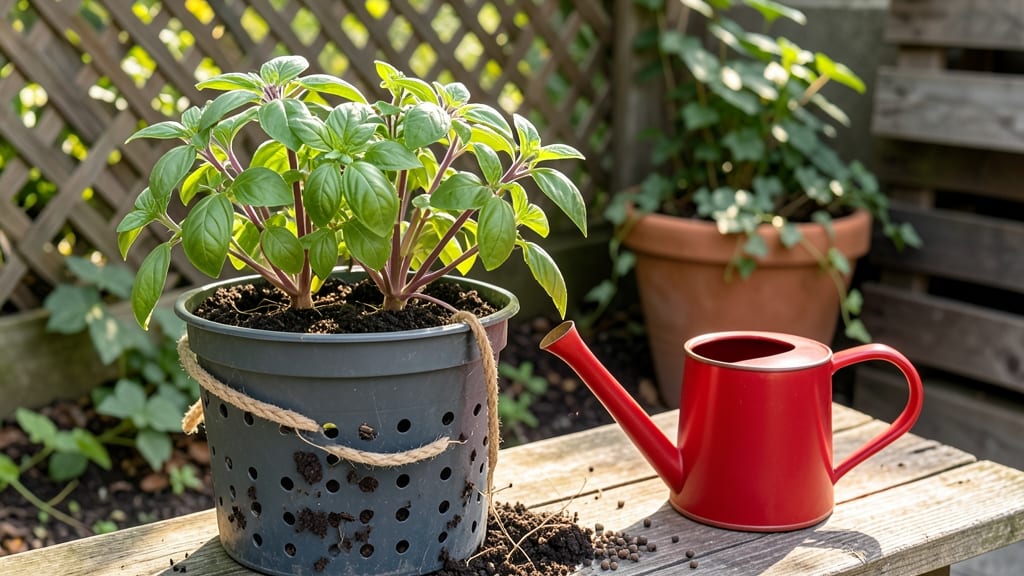
Learning bucket gardening 101 turns even a tiny balcony into a productive garden 🌱—no yard required.
If you’ve ever dreamed of growing fresh herbs, veggies, or flowers but lack outdoor space, bucket gardening could be your game-changer. With the right containers, soil, and a few simple tools, you’ll be harvesting homegrown goodness in just a few months.
This beginner-friendly guide covers everything from choosing the perfect buckets to picking low-maintenance plants that thrive in small spaces. We’ll also tackle common mistakes—like overwatering or poor drainage—that can sabotage your garden before it even starts.
By the end, you’ll know how to maximize your space, keep your plants happy, and enjoy a bountiful harvest without the hassle of a full garden bed.
How to start bucket gardening: essential supplies and setup guide
Bucket gardening is one of the easiest ways to grow plants in small spaces, and the best part? You don’t need a green thumb or a backyard. With just a few essential supplies and a little setup, you can transform any container into a productive garden.
Whether you’re growing herbs on your windowsill or tomatoes on your balcony, the principles remain the same: drainage, soil quality, and proper placement.
Before you dive in, it’s important to choose the right containers and materials to ensure your plants thrive. I’ve learned that skipping these basics can lead to root rot, nutrient deficiencies, or stunted growth.
The good news? Once you’ve got your setup right, you’ll enjoy fresh produce and blooms with minimal effort. Let’s break it down step by step so you can start your bucket garden confidently.
Step-by-Step Bucket Gardening Setup
- 1 Choose the right containers: Use 5-gallon buckets or larger (at least 12 inches deep) for vegetables like tomatoes or peppers. For herbs, 1-gallon pots work well. Drill drainage holes in the bottom if they’re not already there.
- 2 Add a drainage layer: Place 1-2 inches of gravel or broken pottery at the bottom to prevent soil from clogging the holes and improve aeration. This step is critical to avoid root rot from excess moisture.
- 3 Fill with high-quality potting mix: Avoid garden soil—it compacts and drains poorly. Instead, use a lightweight, well-draining potting mix mixed with 10-20% compost for nutrients. Fill the bucket to 1-2 inches from the top to allow for watering.
- 4 Plant your seeds or seedlings: Follow the spacing guidelines for your plant (e.g., 1-2 inches apart for herbs, 1 plant per 5-gallon bucket for tomatoes). Gently press the soil around the roots to secure them.
- 5 Water thoroughly after planting: Soak the soil until water runs out of the drainage holes. This helps settle the soil and removes air pockets. After that, water when the top inch feels dry, usually every 2-3 days depending on your climate.
- 6 Place in the right location: Most bucket plants need 6+ hours of sunlight daily. For herbs like basil or veggies like peppers, a south-facing window or balcony works. If growing indoors, supplement with grow lights for 12-16 hours/day.
Once your buckets are set up, the next step is selecting the right plants for your space. Some varieties thrive in containers, while others need more room to spread.
For example, bush beans and lettuce grow well in smaller buckets, while tomatoes and cucumbers need larger containers to support their vines. I recommend starting with low-maintenance herbs like basil, mint, or parsley—they’re forgiving and perfect for beginners.
Don’t forget to monitor your plants regularly for signs of pests or nutrient deficiencies. Yellowing leaves often mean overwatering or a lack of nutrients, while holes in leaves could signal aphids or spider mites.
A quick spray of neem oil or insecticidal soap usually fixes minor issues. With the right setup, your bucket garden will reward you with fresh, homegrown goodness in no time!
Pro tip: Label your buckets with plant names and dates to keep track of what’s growing. This simple habit saves time and helps you plan for future harvests. Happy gardening!
Best plants for bucket gardening: low-maintenance picks for small spaces
Bucket gardening opens up a world of possibilities for growing fresh produce and vibrant flowers without needing a traditional garden plot. The key lies in selecting compact, fast-growing varieties that thrive in confined spaces.
These plants not only save space but also require minimal care, making them perfect for beginners or busy gardeners.
When choosing plants for buckets, prioritize those with shallow root systems and modest growth habits. Herbs, leafy greens, and dwarf vegetables are ideal because they adapt well to container life.
Many of these plants also produce abundant harvests, ensuring you get plenty of fresh ingredients or cut flowers from just a few buckets.
Top 10 Low-Maintenance Bucket Plants
- 1. Basil - 🌱 Easy Care | Thrives in 5-gallon buckets with 6+ hours of sun. Harvest leaves regularly to encourage bushier growth.
- 2. Cherry Tomatoes - 🍅 Compact Varieties | Use 5-gallon buckets with trellis support. Needs full sun and consistent watering.
- 3. Lettuce - 🥬 Fast Growth | Perfect for 1-gallon buckets. Harvest outer leaves to prolong production.
- 4. Strawberries - 🍓 Hanging Buckets | Ideal for 3-gallon containers. Provide morning sun and well-draining soil.
- 5. Peppers - 🌶️ Dwarf Varieties | Use 1-gallon buckets per plant. Needs full sun and regular feeding.
- 6. Marigolds - 🌼 Pest Repellent | Thrives in 1-gallon buckets. Full sun and drought-tolerant once established.
- 7. Green Onions - 🌱 Quick Harvest | Grow in 1-gallon buckets. Cut as needed—regrows quickly!
- 8. Zucchini (Bush Varieties) - 🍆 Space-Saver | Needs 5-gallon buckets. Harvest young for best flavor.
- 9. Nasturtiums - 🌷 Edible Flowers | Thrives in 1-gallon buckets. Full sun and self-seeds easily.
- 10. Thyme - 🌿 Drought-Tolerant | Perfect for 1-gallon buckets. Needs full sun and minimal watering.
For herbs like basil and thyme, focus on well-draining soil and regular pruning to keep them compact. These plants love sunlight but can tolerate partial shade, making them versatile for various locations.
A 5-gallon bucket is ideal for most herbs, providing enough space for roots while keeping the plant manageable.
When growing vegetables like cherry tomatoes or peppers, opt for dwarf or bush varieties to maximize yield in small containers. These plants need more frequent watering and nutrient-rich soil to thrive. A trellis or cage can help support vining plants, preventing them from sprawling and taking up extra space.
Flowers like marigolds and nasturtiums add color and beauty to your bucket garden while also serving practical purposes. Marigolds naturally repel pests, while nasturtiums are edible and attract pollinators. These plants are low-maintenance and drought-tolerant, making them perfect for busy gardeners.
To maximize your bucket garden's potential, rotate crops seasonally. In spring and summer, focus on fast-growing vegetables and herbs, while fall and winter are great for cool-season greens and flowers. This rotation keeps your garden productive year-round and prevents soil depletion.