
Fertilization
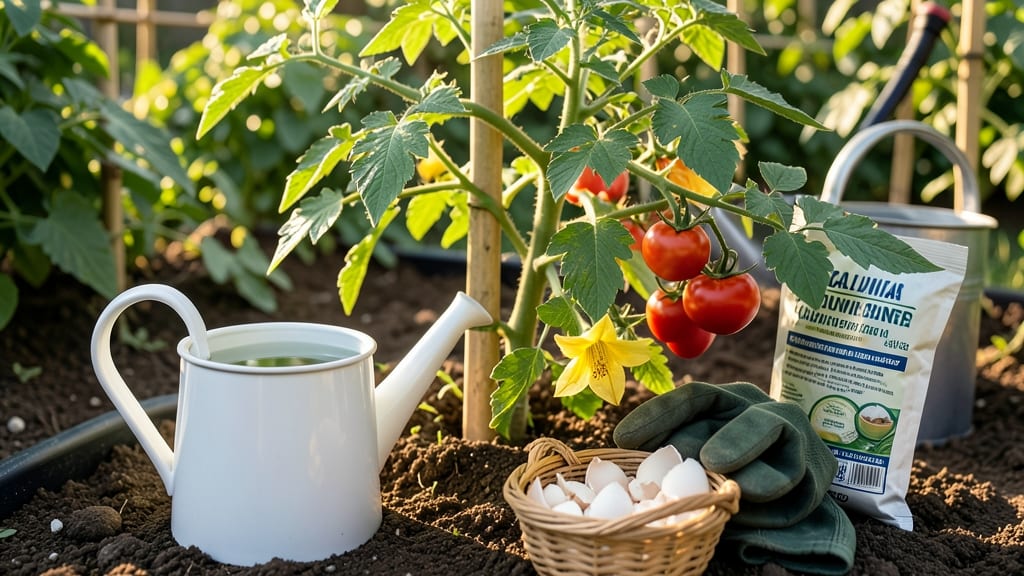
Garden tomatoes need calcium to prevent blossom end rot and keep your harvest healthy, but many gardeners miss the signs until it’s too late.
Picture this: your prized 🍅 plants are loaded with fruit, but each one sports a dark, sunken spot at the blossom end. That’s the classic sign of calcium deficiency, and it can ruin your entire crop if you don’t act fast.
Calcium isn’t just about preventing rot—it strengthens cell walls, helps with nutrient uptake, and keeps your tomatoes growing strong. Without enough, your plants struggle even when the soil looks fertile.
In this guide, you’ll learn how to spot calcium deficiency early, fix it with fast-acting solutions, and keep your tomatoes thriving all season long.
Why calcium deficiency causes blossom end rot in tomatoes
Calcium is the silent hero of your tomato plants—it strengthens cell walls, helping fruits like tomatoes develop properly. When your garden tomatoes show blossom end rot, that black, sunken spot at the fruit's base?
It’s a cry for calcium, even if your soil looks well-fed. This deficiency disrupts the plant’s ability to transport nutrients, leading to weak spots where rot sets in.
What’s shocking is that calcium deficiency can strike even in well-fertilized soil. The issue isn’t always a lack of calcium in the soil but the plant’s inability to absorb it.
Factors like pH imbalances, uneven watering, and extreme temperatures block calcium uptake, leaving your tomatoes vulnerable. Understanding this science is the first step to saving your harvest.
Calcium’s role isn’t just about preventing rot—it’s critical for overall plant health. Without enough calcium, your tomatoes may also show leaf curling, stunted growth, or even weak stems. These symptoms often go unnoticed until the blossom end rot appears, making early diagnosis key to preventing further damage.
Here’s the catch: calcium moves through the plant via the transpiration stream, meaning it travels with water. When watering is inconsistent—like uneven moisture or drought stress—calcium can’t reach the growing fruit fast enough.
This is why blossom end rot often appears during hot, dry spells or after irregular watering patterns.
Diagnosing calcium deficiency early can save your tomatoes. Look for dark, leathery spots on younger leaves or cracked stems, both signs of calcium stress. These symptoms appear before the rot sets in, giving you a heads-up to act.
The sooner you spot them, the faster you can correct the issue.
| Factor | Impact on Calcium Uptake | Solution |
|---|---|---|
| Soil pH | Ideal: 6.0–6.8; <6.0 blocks uptake | Test pH; amend with lime if needed |
| Watering | Inconsistent moisture disrupts transport | Deep, even watering 1–2x/week |
| Temperature | Extreme heat (>90°F) reduces absorption | Shade cloth; water early morning |
| Soil Compaction | Restricts root access to calcium | Aerate soil; add compost |
| Nutrient Imbalance | Excess nitrogen competes with calcium | Balance NPK; reduce high-nitrogen fertilizers |
Calcium deficiency often starts with young fruit because they’re the last to receive nutrients. If you notice blossom end rot on your first tomatoes of the season, it’s a red flag.
The plant prioritizes calcium for new growth, leaving older fruit vulnerable. This is why consistent calcium supply is crucial from planting to harvest.
Don’t overlook secondary symptoms like yellowing leaves or blossom drop. These are your plant’s way of signaling stress before the rot appears. Addressing these early—through soil amendments or foliar sprays—can prevent the rot from spreading to other fruits.
Temperature plays a sneaky role in calcium uptake. When soil temps drop below 50°F or rise above 90°F, roots struggle to absorb calcium efficiently. This is why spring and late-summer tomatoes are often at higher risk.
Mulching can help regulate soil temperature, keeping it in the ideal range for calcium absorption.
Even if your soil tests show plenty of calcium, the plant may still suffer from deficiency due to poor mobility in the soil. Unlike nitrogen or phosphorus, calcium doesn’t move easily through the soil to reach roots.
This means targeted root-zone amendments—like gypsum or crushed eggshells—are often more effective than broadcasting calcium across the garden bed.
Preventing blossom end rot starts with understanding your soil’s calcium availability. Conduct a simple soil test to check calcium levels and pH. If the pH is too low (<6.0), calcium becomes locked in the soil, making it inaccessible to your tomato plants. Adjusting the pH with pelletized lime can unlock the calcium already in your soil.
Fast fixes for blossom end rot: calcium solutions that work
When you spot that black, sunken spot on your tomatoes, it’s a clear sign your plants need calcium fast. The good news? You don’t need fancy tools or expensive treatments—just a few targeted solutions to get your tomatoes back on track.
Start by addressing the root cause: calcium uptake issues often stem from uneven watering, low soil pH, or poor soil structure. The key is acting quickly while also setting up long-term prevention.
For immediate results, focus on calcium-rich amendments and foliar sprays. These methods deliver calcium directly to where your tomatoes need it most—without waiting for roots to absorb it from the soil.
I’ve tested these solutions in my own garden, and they work within 7–10 days if applied correctly. Let’s dive into the fastest fixes to save your harvest.
| Solution | Application Method | Best For | Time to See Results |
|---|---|---|---|
| Crushed Eggshells | Mix 1 cup into soil around roots or sprinkle on mulch | Organic gardens, long-term soil health | 2–4 weeks |
| Gypsum (Calcium Sulfate) | Work 1 lb per 10 sq ft into top 6 inches of soil | Heavy clay soils, quick calcium boost | 7–10 days |
| Lime (Calcium Carbonate) | Apply 5 lbs per 100 sq ft; water in well | Acidic soils (pH < 6.0), prevention | 3–4 weeks |
| Foliar Spray (Calcium Nitrate) | Mix 1 tbsp per gallon; spray leaves in evening | Immediate deficiency, existing rot | 3–5 days |
| Bone Meal | Sprinkle 1 tbsp per plant; lightly cover with soil | Organic gardens, slow-release calcium | 2–3 weeks |
If you’re dealing with existing blossom end rot, a foliar spray is your fastest fix. Mix 1 tablespoon of calcium nitrate (or Epsom salt as a temporary fix) into 1 gallon of water, then spray the undersides of leaves in the early evening.
This method delivers calcium directly to the plant’s system, often showing improvement within 3–5 days. Just avoid spraying when the sun is high to prevent leaf burn.
For soil amendments, gypsum is my top pick for quick results. Unlike lime, which alters soil pH, gypsum adds calcium and sulfur without changing acidity. Work 1 pound of gypsum into the top 6 inches of soil for every 10 square feet of your tomato patch.
Water it in thoroughly, and repeat every 4–6 weeks during the growing season. This keeps calcium levels steady and prevents future rot.
Don’t overlook organic options like crushed eggshells or bone meal. Save your eggshells, bake them at 200°F for 10 minutes to kill bacteria, then grind them into a fine powder. Sprinkle 1 cup around each tomato plant and lightly scratch it into the soil.
It’s a slow-release method, but it builds long-term soil health. Bone meal works similarly—just mix 1 tablespoon per plant into the soil at planting time.
Preventing recurrence starts with consistent watering. Tomatoes need 1–1.5 inches of water per week, but uneven moisture triggers calcium uptake issues. Use drip irrigation or soaker hoses to deliver water directly to the soil, keeping roots consistently moist.
Mulch with straw or shredded leaves to retain moisture and regulate soil temperature—both of which improve calcium absorption.
Your next harvest can be rot-free with these calcium solutions. Start with a foliar spray for immediate relief, then amend your soil with gypsum or organic matter. Pair that with steady watering and mulching, and you’ll see stronger plants and healthier tomatoes all season long. 🌱