
Light Requirements
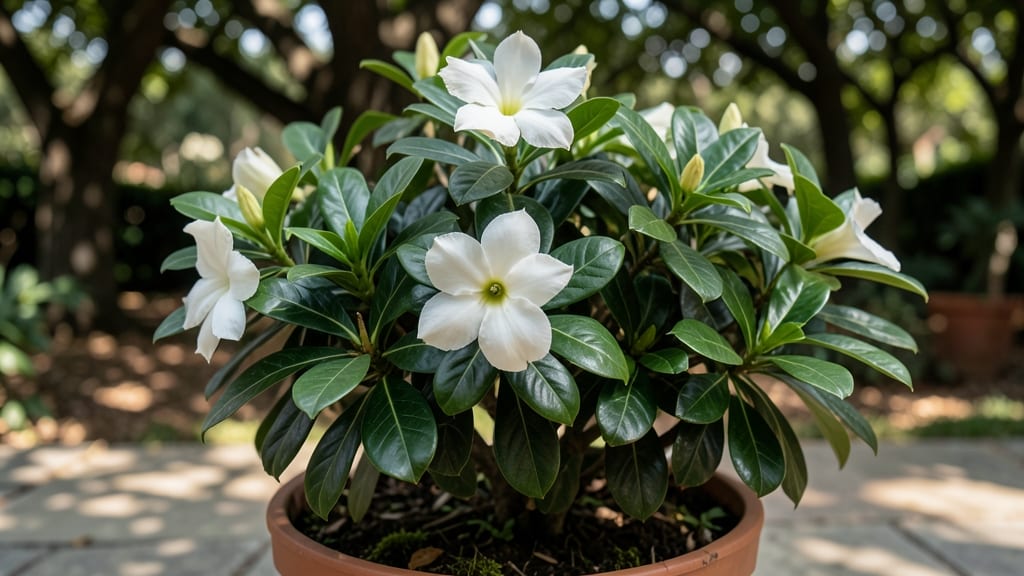
Gardenias can grow in shade with the right care, though they’ll need more attention to bloom as beautifully as their sun-loving cousins 🌸.
Struggling to grow gardenias in your dimmer backyard? These fragrant favorites can thrive in shade—but only if you follow the right care techniques. Too little light, and you’ll end up with leggy stems and sparse flowers, not the lush, creamy blooms you’re dreaming of.
Here’s the key: gardenias tolerate partial shade, but they still crave bright, indirect light—think dappled sunlight through trees or a spot near an east-facing window. Without enough light, their energy goes into stretching toward any available rays instead of producing those iconic, intoxicating blooms.
In this guide, I’ll walk you through how to assess your garden’s shade, adjust your care routine, and even pick the best shade-tolerant gardenia varieties for your space. You’ll learn how to keep your gardenia thriving—even when the sun isn’t shining directly on it.


Understanding gardenia light requirements: how much shade is too much?
If you’ve ever dreamed of filling your garden with the intoxicating scent of gardenias but worry about your shady spot, you’re not alone. These fragrant shrubs thrive in partial shade, but too much darkness stifles their blooms.
The key lies in understanding their sunlight needs—typically 4-6 hours of bright, indirect light—and recognizing when shade crosses into "too much." Without enough light, gardenias produce fewer flowers and weaker foliage, leaving you with a leafy but unremarkable plant.
Native to tropical and subtropical regions, gardenias evolved to bask in dappled sunlight under forest canopies, where they receive filtered light. This means they can tolerate morning sun with afternoon shade, but deep, dense shade—like under a thick tree canopy—will limit their growth.
The chlorophyll in their leaves relies on adequate light to power photosynthesis, and when deprived, the plant struggles to produce energy for blooms. Think of it like a battery: too little charge, and your gardenia won’t power its floral displays.
To assess your garden’s shade conditions, use the sunlight hours rule: measure how many hours of direct or bright indirect light your spot receives daily.
A sunlight meter or even a simple observation over a week will reveal whether your gardenia gets 3-4 hours (barely enough) or 6+ hours (ideal).
For example, an east-facing window or a spot near a fence with morning sun fits perfectly, while a north-facing corner with no direct light may leave your gardenia struggling. Pro tip: Rotate your plant occasionally to ensure even light exposure on all sides.
Here’s the catch: while gardenias can grow in shade, they won’t bloom as prolifically. The trade-off is between foliage health and flower production. In deep shade, your gardenia might grow lush green leaves but produce only a handful of blooms—or none at all.
This is because flower buds require energy from photosynthesis, and limited light starves that process. If your goal is fragrance and showy blooms, aim for at least 4 hours of filtered light daily. For pure foliage, even 2-3 hours will sustain growth, though expect slower development.
| Light Condition | Sunlight Hours | Growth Impact | Bloom Potential |
|---|---|---|---|
| Full Sun (6+ hours) | 6-8 hours | Vigorous growth, dense foliage | Abundant blooms, strong fragrance |
| Partial Shade (4-6 hours) | 4-6 hours (filtered) | Moderate growth, healthy leaves | Frequent blooms, mild fragrance |
| Light Shade (2-3 hours) | 2-3 hours (dappled) | Slow growth, sparse foliage | Occasional blooms, weak fragrance |
| Deep Shade (<2 hours) | <2 hours (no direct light) | Stunted growth, leggy stems | Almost no blooms, poor health |
Spotting light stress in gardenias is easier than you think. If your plant’s leaves turn yellow or pale green, it’s a cry for more light. Leggy growth—long, weak stems with sparse leaves—is another red flag, signaling the plant is stretching toward any available light.
Even worse, bud drop, where flower buds form but fall off before opening, often happens when gardenias don’t get enough light to sustain the energy demands of blooming.
Compare this to a gardenia in ideal conditions: glossy, dark green leaves, compact growth, and clusters of fragrant white flowers. That’s the gold standard!
Not all shade is created equal. Morning sun with afternoon shade is ideal because it provides gentle warmth without the harsh afternoon rays that can scorch leaves.
If your gardenia is in a spot with only afternoon shade, consider moving it to a location where it gets bright indirect light for at least half the day.
For container gardenias, rotate the pot every few weeks to ensure even light exposure, preventing one side from becoming overly stretched or weak. Think of it like giving your plant a light massage—even exposure keeps it balanced and blooming.
For gardeners in urban areas or wooded backyards, where shade is abundant but sunlight is scarce, there’s hope. Reflective surfaces, like white walls or light-colored mulch, can bounce extra light onto your gardenia, mimicking the brighter conditions it craves.
Additionally, pruning nearby trees to thin the canopy or selecting a south-facing spot (even if partially shaded) can make a world of difference. Remember, gardenias are adaptable—they just need you to advocate for their light needs creatively.
With the right adjustments, your shade-loving gardenia can still become the fragrant star of your garden.
Ultimately,
Proven tips to grow thriving gardenias in shade: soil, water, and care hacks
Gardenias in shade might seem like a risky experiment, but with the right adjustments, you can grow fragrant blooms even in dim corners. The key lies in compensating for low light with nutrient-rich soil and precise watering.
Unlike their full-sun cousins, shade-grown gardenias prioritize leaf health over abundant blooms—but don’t worry, we’ll help you strike that perfect balance.
First, let’s address the elephant in the room: gardenias need acidity more than sunlight. While they tolerate partial shade, their roots demand a pH between 4.5 and 6.0.
Without this, even the hardiest varieties will struggle. Pair that with the right organic matter, and you’ve got a recipe for success—even in wooded backyards or urban patios.
🌱 5 Shade Survival Hacks for Gardenias
- 1. Soil Test First: Use a pH meter to confirm your soil’s acidity. Aim for 5.0-6.0—amend with sulfur or peat moss if needed.
- 2. Organic Boost: Mix in composted pine needles or leaf mold to improve drainage and acidity naturally.
- 3. Water Deeply: Shade slows evaporation, so water once weekly (or bi-weekly in winter) to 12 inches deep—use a moisture meter to check.
- 4. Prune Strategically: Trim dead or crowded branches in early spring to encourage airflow and new growth where light filters through.
- 5. Feed Lightly: Use a balanced 10-10-10 fertilizer every 6-8 weeks in spring/summer—avoid heavy feeding in shade.
Watering in shade requires a different approach than full sun. Since shaded soil stays moist longer, you’ll need to water less frequently but more deeply. Aim for 1-2 gallons per week during growing season, adjusting for rain.
A drip irrigation system works best—it delivers water slowly to the roots without wetting the leaves, reducing fungal risks.
Pruning is where many gardeners miss the mark. In shade, gardenias grow slower, so prune lightly in late winter to shape the plant and remove crossing branches. Avoid heavy cuts—this stresses the plant and can stunt blooms.
Focus on opening the center to let more indirect light reach inner stems. A clean, sharp pair of pruners is a must to prevent disease.
Don’t forget about mulching—a 2-3 inch layer of pine bark mulch keeps roots cool, retains moisture, and slowly acidifies the soil. Replenish it annually to maintain its benefits.
For container gardenias in shade, choose large pots with drainage holes and refresh the soil mix every 2-3 years to prevent nutrient depletion.
With these adjustments, your gardenias will reward you with glossy leaves and occasional blooms, even in the shadiest spots. The secret? Treat them like the delicate divas they are—give them the right soil, water, and a little TLC, and they’ll thrive where others fail. Happy gardening!