
Container Gardens
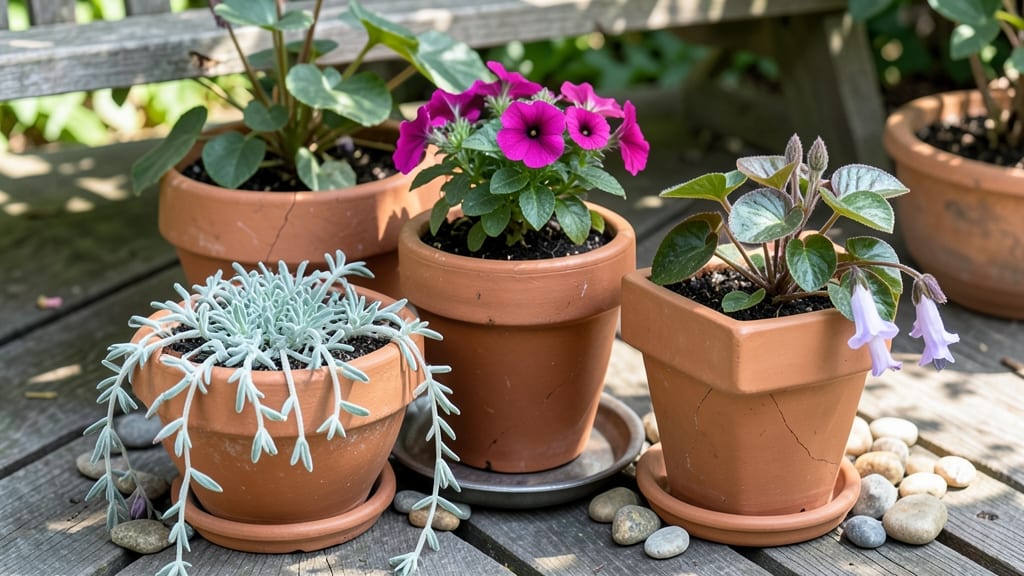
Gardeners swear by clay garden pots for their natural breathability and rustic charm, but not all styles handle heat and humidity the same way.
If you’re tired of plastic pots cracking under summer sun or ceramic ones breaking in winter freezes, clay garden pots offer the perfect balance of durability, breathability, and timeless style—when chosen wisely.
These pots wick away excess moisture while keeping roots cool, making them ideal for herbs, succulents, and annuals in Zone 6 climates. But with so many types—terracotta, stoneware, salt-glazed—how do you pick the one that lasts decades?
Below, I break down five heat-resistant styles, their pros and cons, and how to style them in your garden or balcony for maximum impact.
5 Heat-resistant clay pot styles for long-term outdoor use
Clay garden pots are my go-to for outdoor containers because they handle extreme temperatures better than most materials. Unlike plastic, they won’t melt in scorching sun, and unlike ceramic, they won’t shatter from winter freezes.
The key lies in the clay composition and glazing technique—each style offers unique benefits for different climates and plant types.
When selecting pots, I prioritize heat resistance, moisture control, and structural durability. Terracotta and stoneware dominate the market, but specialized glazes like salt-glazed or fireclay can extend a pot’s lifespan by decades. Let’s break down the top 5 styles and how they perform under pressure.
Comparison Table: Heat-Resistant Clay Pot Styles
Terracotta pots are my top recommendation for drought-prone climates because their porous nature allows roots to breathe while wicking away excess moisture. They’re ideal for herbs like basil and succulents, but they’ll crack if left in freezing temperatures.
I’ve seen them last 5+ years in Zone 7 with proper winter care.
For cold winters, I turn to stoneware or salt-glazed pots. The glaze acts as a protective barrier against moisture absorption, preventing the clay from absorbing water and freezing. Stoneware, in particular, is my favorite for perennial plants like lavender or rosemary because it maintains consistent soil temperatures.
If you live in a hot, arid climate, unglazed clay pots are a game-changer. Their rapid drying prevents root rot in plants like aloe vera or sedum. However, they’re fragile in freeze-thaw cycles, so I only use them in pots I can bring indoors during winter.
For extreme heat, fireclay pots are my secret weapon—they can withstand temperatures up to 300°F, making them perfect for rooftop gardens or urban heat islands.
One common mistake I see is assuming all clay pots are created equal. Glazed vs. unglazed makes a huge difference in water retention and temperature tolerance. For example, a glazed pot might keep soil cooler in summer, while an unglazed one will dry out faster but prevent fungal issues.
Always check the drainage holes—clay
How to choose clay pots that won’t crack or warp in heat
Clay pots are a gardener’s dream for their natural breathability and rustic charm, but their porous nature makes them vulnerable to extreme heat and moisture shifts. The key to avoiding cracked or warped pots lies in understanding glaze types, wall thickness, and seasonal care.
Unlike plastic or ceramic pots, clay responds directly to temperature changes, so selecting the right style and maintaining it properly can extend its lifespan to 10+ years—or even decades with proper care.
First, prioritize unglazed terracotta for heat resistance, as its porous surface allows moisture to evaporate quickly, preventing root rot in hot climates. However, this same porosity makes it prone to cracking if exposed to sudden temperature swings or freeze-thaw cycles.
For colder climates, opt for glazed clay pots, which provide a protective barrier against moisture absorption but may require more frequent watering to compensate for reduced breathability.
🌱 Key Takeaway: 5 Must-Check Factors for Heat-Resistant Clay Pots
Unglazed terracotta breathes best in heat; glazed pots retain moisture longer but risk overheating.
Thicker walls (3/8" or more) resist warping; thin walls crack under temperature stress.
Essential for preventing root rot; cover holes with mesh to block pests.
Place in partial shade if temps exceed 90°F; avoid direct midday sun.
Store indoors or wrap in bubble wrap during winter to prevent freeze cracks.
When shopping for clay pots, inspect the base for even thickness—uneven walls are a red flag for poor heat distribution. Avoid pots with glossy glazes, as they trap heat and can cause warping over time.
Instead, look for matte or textured finishes, which dissipate heat more effectively. For large pots (12"+ in diameter), choose those labeled as "fireclay" or "stoneware," as these are fired at higher temperatures to enhance durability.
Drainage is non-negotiable: clay pots must have holes to prevent waterlogging, which weakens the structure over time. If you find a pot without holes, drill them yourself using a 1/4" masonry bit.
Pro tip: Place pots on elevated trays or saucers with pebbles to catch excess water while keeping roots aerated. This simple step can double your pot’s lifespan by reducing moisture-related stress.
Seasonal transitions are the biggest threat to clay pots. Before storing them for winter, empty all soil and scrub the pot with a vinegar-water solution (1:3 ratio) to remove mineral deposits. Let them dry completely in the sun before stacking them upright in a dry, frost-free space.
If you live in a region with freezing winters, wrap pots in bubble wrap or old towels to shield them from temperature fluctuations.
For long-term success, pair your clay pots with plants that thrive in their conditions. Succulents, herbs like rosemary and thyme, and Mediterranean herbs love the dry, breathable environment clay pots provide. Avoid heavy water-lovers like ferns or calatheas, which will cause the pot to crack over time.
With the right selection and care, your clay pots will become heirloom-quality pieces that elevate your garden’s aesthetic while standing up to the elements.
Remember: The best clay pots aren’t just about aesthetics—they’re an investment in plant health and longevity. By focusing on glaze quality, thickness, and seasonal prep, you’ll enjoy years of crack-free, warp-resistant pots that keep your garden thriving. Happy planting! 🌿