
Companion Plants
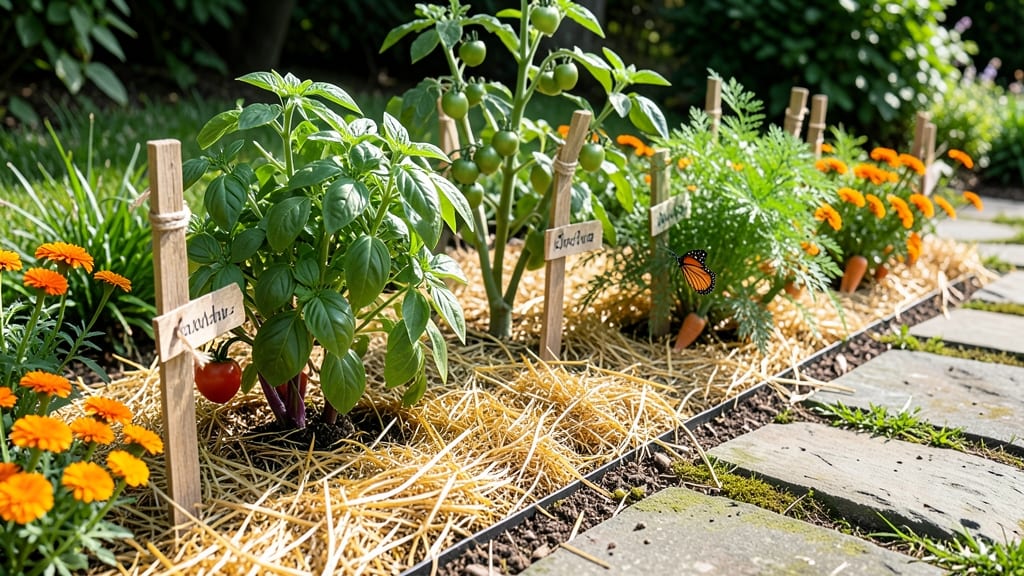
A companion garden layout 🌱 turns your plot into a self-sustaining powerhouse where plants work together instead of competing.
Struggling with pests, poor growth, or wasted space in your garden? A strategic companion garden layout can transform your plot into a thriving ecosystem where plants support each other—naturally.
This isn’t just about sticking plants together; it’s about smart zoning—tall plants shielding shorter ones, herbs repelling pests, and roots feeding each other. Think of it like a neighborhood where everyone has a role.
Below, I’ll show you three proven zones to maximize growth, deter pests, and make your garden easier to maintain—no guesswork required.
The 3 essential companion garden zones for maximum yield
A well-structured companion garden layout isn't just about aesthetics—it's a functional ecosystem where every plant plays a role. By organizing your garden into three key zones, you create a self-sustaining system that maximizes space, deters pests, and boosts yields.
These zones—tall plants, mid-height plants, and ground covers—work together like a well-choreographed dance, each contributing to the health of the others.
I’ve seen firsthand how this method can double harvests while reducing the need for pesticides. The tallest plants act as natural trellises, mid-height plants provide shade and pest confusion, and ground covers suppress weeds and retain moisture.
Let’s break down each zone and explore the best plant pairings to create a thriving, low-maintenance garden.
Comparison Table: Companion Garden Zones
| Zone | Primary Role | Example Plants | Benefits |
|---|---|---|---|
| Tall Plants | Provide shade, trellis support, and pest confusion | Corn, Sunflowers, Pole Beans, Basil | Attracts pollinators, deters pests, maximizes vertical space |
| Mid-Height Plants | Shade soil, deter pests, improve flavor | Tomatoes, Peppers, Carrots, Onions | Enhances growth of nearby plants, repels insects |
| Ground Covers | Suppress weeds, retain moisture, improve soil | Lettuce, Radishes, Clover, Marigolds | Reduces watering needs, prevents erosion, deters pests |
The tall plants zone is your garden’s skyline, offering more than just height. Plants like sunflowers and pole beans attract pollinators while their towering presence creates a natural barrier against wind and pests.
I’ve planted basil near my tomatoes in this zone, and the basil’s scent alone keeps aphids away while improving the tomato flavor. This zone thrives in full sun and should be placed along the north or west side of your garden to avoid shading shorter plants prematurely.
In the mid-height zone, you’ll find the workhorses of your garden—plants like tomatoes and peppers that benefit from the partial shade of their taller neighbors. This is where the magic of companion planting really shines.
For example, carrots planted near onions deter carrot flies, while bush beans fix nitrogen in the soil, feeding their mid-height companions. This zone needs 5-6 hours of sun and should be placed just behind the tall plants to maximize light exposure.
Don’t overlook the ground cover zone, often the unsung hero of companion gardens. Fast-growing plants like lettuce and radishes smother weeds, while clover adds nitrogen to the soil. I’ve seen gardens where marigolds in this zone repel nematodes, allowing nearby vegetables to thrive without chemical treatments.
This zone thrives in partial shade and is perfect for filling gaps between taller plants or along garden edges.
One of my favorite combinations is the Three Sisters method, a Native American technique that pairs corn, beans, and squash. The corn provides a trellis for beans, which fix nitrogen for the corn, while squash spreads across the ground, suppressing weeds and retaining moisture.
This self-sustaining trio is a perfect example of how these zones work together to create a low-maintenance, high-yield ecosystem.
When planning your layout, start by mapping out your tallest plants along the north or west edge of your garden. Next, place your mid-height plants just behind them, ensuring they receive enough sunlight. Finally, fill the remaining space with ground covers, leaving just enough room for easy maintenance.
This layered approach not only maximizes space but also creates a natural pest deterrent system that reduces your workload.
Pro tip: Rotate your crops annually to prevent soil depletion and pest buildup. I’ve found that keeping a planting journal helps track which combinations work best in your specific climate. Over time, you’ll refine your layout to create a personalized, high-performing companion garden that yields more with less effort.
Remember, the key to a successful companion garden layout is balance. Each zone should complement the others, creating a harmonious environment where plants support one another.
With these three zones in place, you’ll enjoy healthier plants, fewer pests, and a more bountiful harvest—all while spending less time in the garden.
How to design your companion garden layout for pest deterrence
A well-designed companion garden layout isn't just about aesthetics—it's a powerful pest-deterrence strategy. By placing plants with natural repellent properties near vulnerable crops, you create a self-sustaining ecosystem that reduces the need for chemicals.
The key lies in understanding which plants repel pests and which ones attract beneficial insects like ladybugs and bees.
Start by grouping plants with similar sunlight and water needs to simplify care. For example, marigolds and basil thrive in full sun and can be planted alongside tomatoes and peppers to deter aphids and whiteflies.
Meanwhile, shade-loving herbs like cilantro and parsley can protect leafy greens from slugs and snails. The right layout turns your garden into a pest-free fortress.
Don’t place strong-scented herbs like rosemary or thyme next to delicate flowers—their overpowering fragrance can stunt growth. Instead, use them as border plants to repel pests without competing with other crops. Also, avoid overcrowding—plants need airflow to prevent fungal diseases that attract pests.
Begin with a windbreak row of tall plants like corn or sunflowers on the garden's north side (in the Northern Hemisphere). These act as a natural barrier against strong winds that can damage smaller plants.
Next, add mid-height plants such as bush beans or zucchini, which provide shade for ground-level crops like lettuce or radishes.
Incorporate ground covers like clover or creeping thyme to suppress weeds and deter pests. These plants also improve soil health by preventing erosion and adding organic matter. For example, nasturtiums planted near cabbage repel aphids, while garlic and onions keep Japanese beetles at bay.
The secret is strategic placement—place repellent plants upwind of vulnerable crops.
Adjust your layout based on your climate zone. In hot, dry regions, prioritize drought-tolerant companions like lavender and rosemary, which also repel pests. In humid climates, focus on fungus-resistant pairings, such as basil with tomatoes to prevent blight.
Always rotate crops annually to prevent pest buildup in the soil.
Finally, leave 10-15% of your garden space for wildflowers or native plants. These attract pollinators and predator insects like lacewings and hoverflies, which naturally control pest populations. With this balanced approach, your companion garden will thrive without chemicals while looking stunning.