Watering
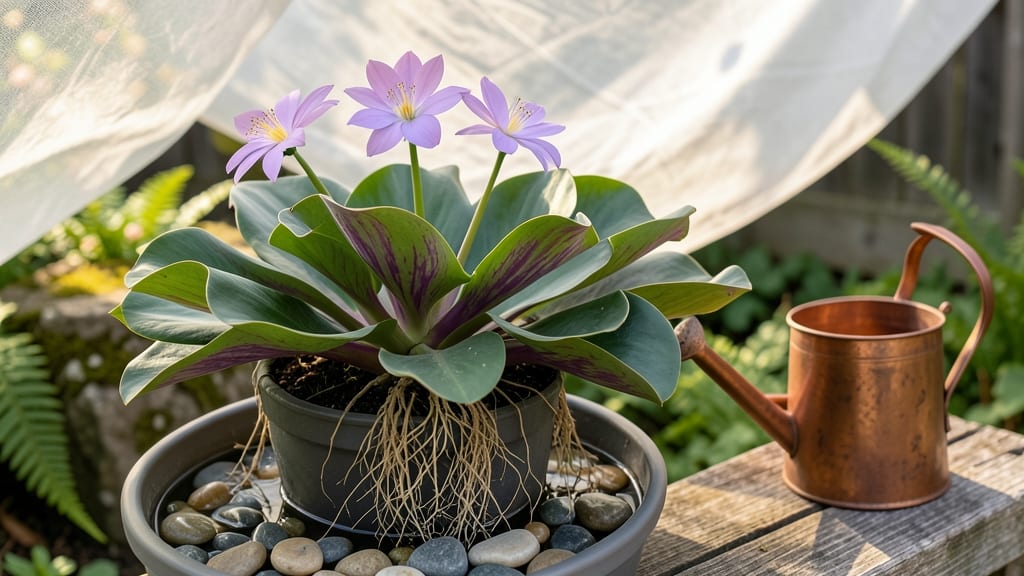
Growing container water garden plants turns even a tiny balcony into a thriving aquatic oasis 🌿—no pond required!
Picture this: a small tub on your patio, filled with floating lilies and submerged grasses, creating a mini ecosystem that hums with life. The trick? Picking the right mix of plants for your space and water depth.
Too many floating varieties and your container becomes a green mat; too few submerged types and algae takes over. I’ve made both mistakes—and here’s how to avoid them.
Whether you’re drawn to the delicate fronds of water hyacinth or the hardy roots of anacharis, the key is balance. We’ll cover the best floating and submerged plants for containers, how to layer them for year-round beauty, and the simple care routine that keeps your water crystal clear.
No green thumb needed—just a few smart choices.
Ready to dive in? You’ll learn which plants thrive together, how often to top off the water, and the one trick that cuts algae in half. Let’s get your container water garden growing!
Floating water garden plants: best low-maintenance varieties for containers
Creating a floating water garden in containers is one of the easiest ways to add serene beauty and ecological benefits to your space. These plants not only oxygenate the water but also suppress algae and provide vibrant textures.
The best part? Many thrive in small containers with minimal care—perfect for balconies or patios!
When selecting floating water garden plants, focus on low-maintenance varieties that adapt well to containers. These include water hyacinth, water lettuce, and duckweed, each offering unique benefits like rapid growth, air purification, and aesthetic appeal.
Let’s explore their sunlight needs, growth habits, and how they perform in compact spaces.
Water hyacinth is a top choice for containers due to its vibrant purple flowers and aggressive growth, which helps oxygenate stagnant water. It thrives in full sun and can double in size weekly, making it ideal for larger containers (10+ gallons). However, its rapid spread means you’ll need to trim regularly to prevent overcrowding.
For a softer, more delicate look, water lettuce is perfect. Its ruffled, lettuce-like leaves create a lush canopy while requiring only partial sun (4-6 hours daily).
This plant is great for smaller containers (8+ gallons) and suppresses algae by shading the water. It’s also easier to control than water hyacinth, making it beginner-friendly.
If you want a low-maintenance, fast-growing option, duckweed is unbeatable. It covers the water surface in days, blocking sunlight to prevent algae and providing food for fish or wildlife.
Duckweed grows well in partial to full sun and only needs 5+ gallons of water. Just be cautious—it can spread uncontrollably if not monitored!
Frogbit offers a unique texture with its round, floating leaves and tiny yellow flowers. It’s slower-growing than duckweed but still effective at algae control. Frogbit prefers partial sun (3-5 hours) and works well in 6+ gallon containers. Its delicate appearance makes it a standout decorative plant, though it may require occasional division to stay healthy.
When setting up your container water garden, ensure your container has no drainage holes—these plants root in water, not soil.
Use a wide, shallow container (like a trough or half-barrel) to maximize surface area for floating plants. Avoid deep containers unless you’re adding submerged plants later, as most floating varieties prefer shallow water (4-6 inches deep).
To keep your floating plants thriving, fertilize lightly every 4-6 weeks with a balanced aquatic fertilizer (5-5-5 NPK). Over-fertilizing can cause algae blooms, so less is more.
Also, remove dead leaves regularly to prevent decay and keep the water clear. In winter, some plants like water hyacinth may go dormant, so reduce maintenance until spring.
One of the biggest benefits of floating plants is their ability to create a self-sustaining ecosystem. They filter nutrients, reduce mosquitoes, and provide habitat for beneficial insects.
For maximum impact, combine 2-3 varieties in one container—like water lettuce + frogbit—to enhance texture and functionality. Just avoid mixing fast-spreading duckweed with slower growers unless you’re prepared for regular trimming!
With the right floating water garden plants, your **
Submerged container plants: oxygenating and decorative options for year-round growth
Submerged container plants are the unsung heroes of water gardens—they keep your water crystal clear, provide oxygen for fish, and add lush texture to your aquatic display. Unlike floating varieties, these plants grow completely underwater, creating a natural filtration system while offering year-round greenery.
My favorite choices include anacharis, hornwort, and waterweed, all of which thrive in containers with just a few inches of water.
One of the biggest advantages of submerged plants is their ability to outcompete algae by absorbing excess nutrients. They also create a stunning layered look when paired with floating plants like water hyacinth.
For best results, aim for containers with at least 12 inches of water depth, as this gives roots room to spread without becoming root-bound.
- 🌿 Anacharis (Elodea) - Fast-growing, oxygenates water rapidly; ideal for 12-18" containers. Thrives in full sun to partial shade.
- 🌿 Hornwort (Ceratophyllum) - Float-free submerged plant; perfect for 6-12" containers. Tolerates low light better than most.
- 🌿 Waterweed (Elodea canadensis) - Dense growth; best for 18"+ containers. Requires moderate to high light.
- 🌿 Cabomba - Fine foliage; great for 10-15" containers. Needs bright light to prevent leaf loss.
- 🌿 Vallisneria (Wild Celery) - Tall, grass-like; ideal for 18"+ deep containers. Prefers moderate light.
When selecting submerged plants, pay close attention to their rooting requirements. Some, like anacharis, can be planted bare-rooted in a layer of aquatic soil at the container's base, while others like hornwort may float freely or be anchored with small rocks.
I recommend starting with a 2:1 ratio of aquatic soil to gravel to ensure proper nutrient uptake and root stability.
For a balanced container garden, combine submerged plants with floating varieties to create a multi-level ecosystem. The submerged plants will filter the water while the floating plants provide shade and reduce evaporation.
For example, pair anacharis with water lettuce in a 15-gallon container—this combo creates a self-sustaining microhabitat that requires minimal maintenance.
Seasonal care is minimal for submerged plants, but I do suggest trimming back overgrowth every 4-6 weeks to maintain balance. In winter, reduce feeding and avoid disturbing the plants unless necessary, as they'll slow their growth naturally.
With the right selection and care, your submerged plants will keep your container water garden thriving year-round.
Don't overlook the aesthetic benefits—submerged plants add vertical interest and movement to your water garden. Their delicate fronds sway gently with water currents, creating a mesmerizing effect that enhances any outdoor space. Whether you're a beginner or a seasoned gardener, these plants are a must-have for any container water garden.