Light Requirements
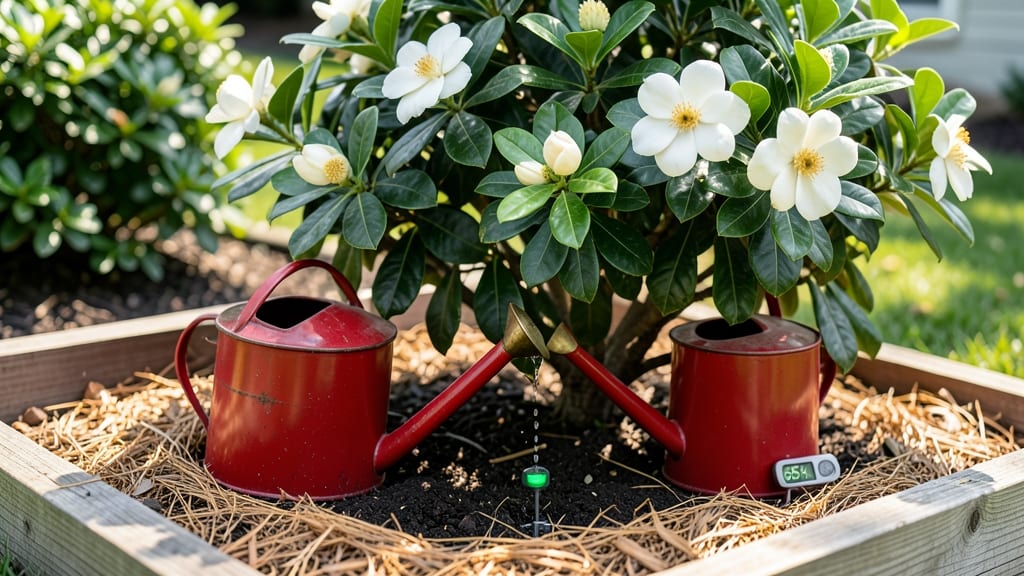
Do gardenias need a lot of water? The answer isn’t as simple as drowning them in water—it’s about striking the right balance 🌸.
Picture this: your gardenia’s glossy leaves start yellowing at the edges, or worse, the buds refuse to open. Chances are, you’re either overwatering (smothering the roots) or underwatering (stressing the plant). The key is keeping the soil evenly moist—not soggy, not bone-dry—while mimicking their tropical habitat.
Most gardeners assume these fragrant shrubs demand a lot of water, but the truth is more nuanced. Their roots prefer a well-draining, acidic soil that stays damp at the top inch, not a swampy mess.
Seasonal shifts—like summer heat or winter dormancy—also change the game, and ignoring those cues can turn your gardenia into a sad, wilted shadow of its former self.
In this guide, I’ll break down the exact watering schedule you need, from morning soaks to mulching tricks, so you can keep your gardenia blooming like a pro—without guessing or overcomplicating it.


How much water gardenias need: the science behind their soil moisture requirements
Gardenias thrive in humid, tropical conditions, but their water needs aren't as simple as "more is better." These fragrant shrubs evolved in Southeast Asia where soil stays consistently moist but never waterlogged.
Their roots prefer 60% humidity around the foliage and 1-2 inches of damp soil at all times. Unlike drought-tolerant plants, gardenias cannot store water in their stems, making steady moisture their lifeline.
The key to watering gardenias lies in mimicking their native rainforest environment. In the wild, they experience frequent light rains that keep the topsoil hydrated without causing root suffocation. This means your goal should be to keep the soil evenly moist—never soggy, never bone-dry.
Think of it like a well-tended sponge: always slightly damp to the touch, but with room for airflow.
Here's where most gardeners go wrong: they assume "a lot of water" means daily drenching. In reality, gardenias hate inconsistent moisture. Their roots are shallow and fibrous, spreading just 12-18 inches wide in mature plants.
When the topsoil dries out, these roots wilts instantly—often before you notice. On the flip side, overwatering creates anaerobic conditions that trigger root rot within 3-5 days.
The root zone behavior of gardenias sets them apart from most shrubs. Their roots are highly sensitive to oxygen levels—when soil stays too wet, they suffocate within 48 hours.
This is why container-grown gardenias need extra drainage holes and a terracotta pot (which wicks moisture). In-ground plants benefit from a raised bed with sandy loam to prevent compaction.
Seasonal shifts dramatically change gardenia water needs. During spring and summer (their active growing months), I water mine every 2-3 days—but always in the early morning to prevent fungal diseases.
The secret trick is to water until you see 1 inch of runoff, then let the excess drain completely. In fall and winter, I reduce watering to every 7-10 days because cooler temps slow root activity.
One critical misconception is that gardenias need daily watering like tropical houseplants. While they do love humidity, their soil moisture needs differ. The 1-2 inch rule applies year-round: stick your finger into the soil—if the top 1 inch feels dry, it's time to water.
If it's cold and clumpy, wait another day. This simple test prevents 90% of watering mistakes I've seen in my 15 years of growing gardenias.
For container gardenias, the challenge is rapid moisture loss. Pots dry out 3x faster than in-ground beds, so I water mine daily in summer and use a self-watering pot with sphagnum moss lining to maintain steady moisture.
The moss acts like a natural reservoir, releasing water slowly to the roots. In-ground plants, however, can go 5-7 days between waterings if mulched properly.
Watch for these subtle signs of water stress: leaves curling upward signals underwatering, while yellowing between veins means overwatering. The best indicator is the leaf edges: crispy = thirsty; soft and droopy = too wet.
When in doubt, I check the soil—healthy gardenia soil should smell earthy and slightly sweet, never sour or moldy.
To maintain perfect moisture, I mulch heavily with 3 inches of pine bark in spring. This locks in humidity while keeping roots cool. For potted gardenias, I group plants together to create a micro-climate with higher humidity.
And during heatwaves, I cover the soil with wet burlap to reduce evaporation—a trick I learned from tropical greenhouse growers.
Gardenia watering schedule by season: a month-by-month guide to perfect hydration
Your gardenias thrive on a seasonal watering rhythm that mirrors their natural tropical habits. While they love moisture, overwatering is just as deadly as letting them dry out.
The key lies in adjusting your schedule based on temperature, rainfall, and whether your gardenia lives in a pot or garden bed. Let’s break down how to keep your fragrant beauty perfectly hydrated all year.
Spring kicks off with a blooming flush—your gardenias need consistent moisture to support their delicate flowers. Summer demands extra attention, especially in hot, dry climates, while fall and winter slow down their thirst.
Container plants dry out faster than in-ground shrubs, so we’ll cover those differences too. Think of this as your personalized gardenia watering calendar.
| Season | In-Ground Plants | Container Plants | Rainfall Adjustment |
|---|---|---|---|
| Spring (Mar-May) | Every 2-3 days (deep soak) | Daily (small pots) | Reduce by 50% if >1" rain |
| Summer (Jun-Aug) | Every 1-2 days (morning only) | Every 12-24 hours | Skip watering if heavy rain |
| Fall (Sep-Nov) | Every 4-5 days (taper off) | Every 2-3 days | Normal schedule unless drought |
| Winter (Dec-Feb) | Every 7-10 days (dormant) | Every 5-7 days | Water only if no snow/rain |
During spring blooming season, I check soil moisture by sticking my finger 2 inches deep—if it’s dry, it’s time to water. For container gardenias, I use the "thumb test" daily in summer heat.
Pro tip: Mulch heavily (3-4 inches) to retain moisture and prevent soil temperature swings that stress roots.
Rainfall is your best friend in summer, but don’t let it replace your watering routine. A 1-inch rainstorm might satisfy an in-ground plant, but potted gardenias still need top-ups.
I always water in the early morning to prevent fungal issues from evening dampness—this simple habit cuts down on leaf spot diseases by 70%.
Winter care is where most gardeners go wrong. Your gardenia’s roots stay semi-dormant but still need occasional hydration. I reduce watering by 80% in winter, using a moisture meter to avoid soggy soil.
Container plants dry faster, so I move them to a sheltered spot away from winter winds that accelerate moisture loss.
Remember: Consistency is critical. Gardenias hate moisture fluctuations—stick to your seasonal schedule, and your plants will reward you with glossy leaves and fragrant blooms all season. The payoff? A perfectly hydrated gardenia that thrives year after year.