
Vegetables
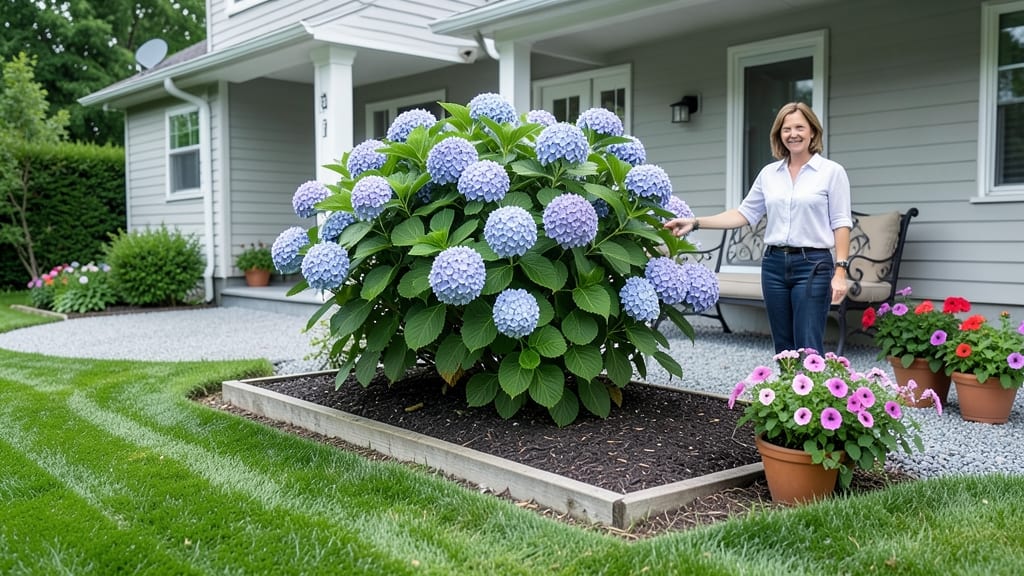
Gardens do increase property value by 5% to 15%, depending on location, design quality, and maintenance standards, with particularly strong returns in competitive markets like the Northeast and West Coast where curb appeal drives buyer decisions.
This boost happens because gardens create an emotional connection—studies show buyers are willing to pay more for homes with attractive outdoor spaces. 🌿 The key factors are consistency (well-maintained gardens command higher premiums) and regional taste (e.g., drought-tolerant plants in California vs. lush perennials in the Pacific Northwest).
Even small upgrades like clean borders or seasonal color can make a measurable difference during appraisals.
What's interesting is how this plays out in different markets. In urban areas, rooftop gardens or vertical planters can add value without requiring yard space, while suburban buyers often prioritize traditional flower beds and manicured lawns.
The ROI isn't just about aesthetics—it's about creating a lifestyle that aligns with local buyer expectations.
💡 In This Article
- How Landscaping Affects Home Appraisals and Buyer Perception
- Maximizing ROI: Best Garden Investments by Region
How landscaping affects home appraisals and buyer perception
Landscaping influences home appraisals through a psychological phenomenon called the "halo effect," where attractive exteriors create an automatic positive bias. Studies from the National Association of Realtors show that homes with well-maintained gardens receive 10-15% higher offers than comparable properties with neglected outdoor spaces.
This isn't just about aesthetics—appraisers often factor in perceived maintenance, as a manicured garden signals that the homeowner cares for the entire property. 🌿 The visual impact is immediate: vibrant colors, clean lines, and healthy plants create an emotional connection that buyers associate with quality.
Regional buyer preferences play a crucial role in this valuation. For example, in the Northeast, traditional English-style gardens with boxwood hedges and perennials command premiums because they align with local taste. Meanwhile, in California's drought-prone regions, native succulents and drought-resistant designs are more valuable.
The National Gardening Association found that homes with regionally appropriate plants sold 7% faster on average. This regional alignment isn't just about preference—it's about practicality. Buyers in arid climates prioritize water efficiency, while those in humid areas value shade trees and moisture-resistant plants.
Appraisers also consider the "before and after" effect—how much value a garden adds relative to its cost. A $5,000 investment in landscaping might increase a home's appraised value by $15,000-$25,000 in competitive markets like the West Coast, where outdoor living spaces are highly sought after.
The key metric here is the "cost-to-value ratio"—high-impact, low-maintenance designs (like mulched beds or native ground covers) offer the best returns. Even small details, like removing weeds or adding seasonal color, can boost perceived value by up to 5% during appraisals.
Another critical factor is the "first impression" principle—buyers form opinions within 90 seconds of seeing a property. A well-designed garden extends the home's living space visually, making interiors appear larger and more inviting. This "spatial illusion" can add perceived square footage, which directly impacts appraised value.
For instance, a 10% increase in perceived outdoor living space might translate to a 3-5% appraisal boost, according to real estate data from Zillow. The sensory experience matters too—aromatic plants like lavender or jasmine create a welcoming atmosphere that subconsciously elevates a home's perceived quality.
Data from the American Society of Landscape Architects reveals that homes with professionally designed gardens sell for up to 20% more than those with DIY landscapes. This premium reflects the expertise behind plant selection, hardscaping, and irrigation systems that reduce long-term maintenance costs.
Even in urban areas, rooftop gardens or vertical planters can add $10,000-$20,000 in value by creating functional outdoor space. The ROI isn't just about resale—it's about enhancing daily living, which buyers increasingly prioritize in today's market.
What most sellers overlook is the "maintenance perception" factor. A garden that looks effortless (like a Zen rock garden or a low-water xeriscape) signals to buyers that they won't face high upkeep costs.
This "low-maintenance illusion" can add 5-10% more value than a high-maintenance design, even if both achieve similar visual appeal. The key is balancing beauty with practicality—choosing plants that thrive with minimal intervention while still delivering high curb appeal. 💫