
Tools
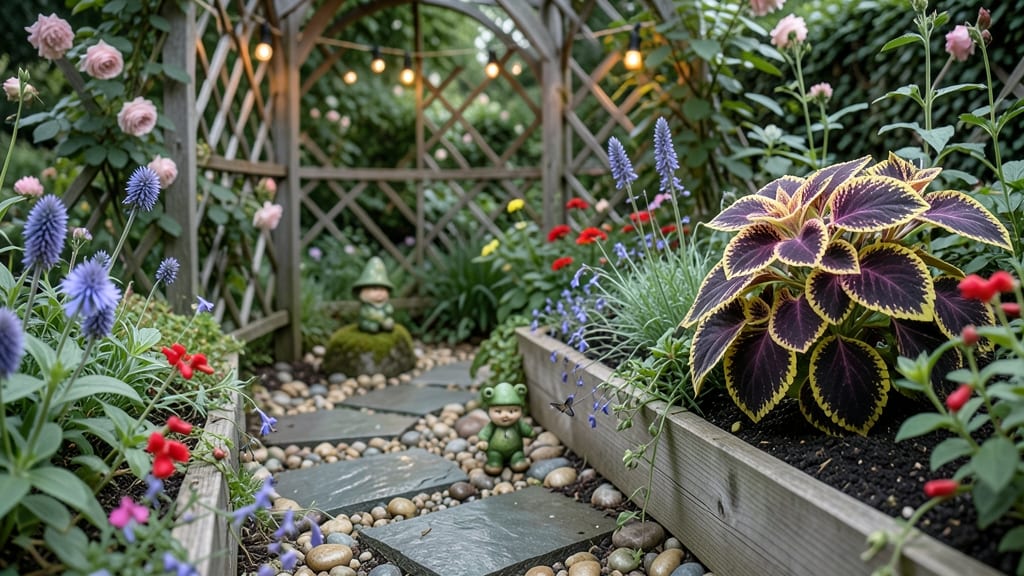
Creating an enchanted garden with colors that shift like seasons is easier than you think—and the payoff is a backyard that feels like a fairy tale.
Your garden isn’t just a space—it’s a living canvas where colors can weave magic, shifting with the seasons to create an ever-evolving sanctuary. From the soft blush of spring to the deep jewel tones of autumn, the right palette can turn ordinary greenery into an enchanted retreat.
Think of it as layering hues like a painter: soft lavenders for spring, vibrant purples and pinks in summer, and golden oranges as fall arrives. Each season brings its own story, and the plants you choose are the stars of that narrative.
In this guide, I’ll show you how to blend colors seamlessly, pick the best plants for each palette, and even use lighting and decor to deepen the magic. By the end, your garden will feel like a secret world waiting to be explored.
Seasonal enchanted garden color palettes for every mood
Transforming your garden into a seasonal masterpiece starts with understanding how color psychology and plant combinations can shift your space's energy. Each season offers a unique mood—spring’s soft pastels evoke renewal, summer’s bold hues bring excitement, autumn’s warmth feels cozy, and winter’s cool tones create tranquility.
The key is selecting plants that harmonize naturally while reflecting your desired atmosphere.
I’ve designed four enchanted palettes that align with seasonal emotions, using color theory and plant pairings to create cohesive, magical spaces. Whether you crave serenity or vibrancy, these schemes will elevate your garden’s visual impact while keeping maintenance manageable. Let’s dive into the seasonal transformations!
For spring’s renewal palette, I recommend starting with pastel pink tulips paired with mint-green pansies and lavender-blue lobelia. These colors create a dreamy, ethereal effect while requiring minimal upkeep. Add bleeding heart for vertical interest—its heart-shaped leaves add whimsy and thrive in partial shade.
The summer energy palette is all about bold contrasts. Plant sunflowers in the back for height, surrounded by dahlias in deep purple and zinnias in fiery orange. This combination attracts pollinators while creating a high-impact focal point. For texture, mix in silver-blue lamb’s ear to balance the intensity.
Autumn’s comfort palette leans into warm neutrals with pops of color. Chrysanthemums in burnt orange and deep red pair beautifully with Japanese maples in burgundy. Add sage-green sedum for structure—its succulent leaves stay vibrant even as temperatures drop, ensuring year-round interest.
Winter’s serenity palette focuses on cool, crisp tones that evoke a frosty fairy tale. Snowdrops and winter jasmine bloom early, offering delicate white and yellow accents. For structure, use ornamental grasses like Miscanthus, which turn golden-brown and sway gently in winter winds, adding movement to the scene.
To tie these palettes together, I suggest using color-coordinated mulch or container gardens. For example, a lavender-gray mulch complements spring’s pastels, while rust-colored mulch enhances autumn’s warmth. Containers filled with seasonal accents, like potted heuchera or ornamental kale, can be rotated to refresh your space effortlessly.
Remember, the magic happens in layers. Combine tall plants (like sunflowers or ornamental grasses) with mid-height blooms (zinnias, dahlias) and low-growing foliage (lamb’s ear, heuchera). This creates depth and draws the eye through your garden, making it feel like a living storybook.
Start small if needed—even a single color-themed container can transform a corner. As you experiment, observe how light changes affect your palette. Morning sun may make pinks appear softer, while afternoon light can deepen blues. Adjust your plant placements to maximize the enchanted effect throughout the day.
Your garden’s colors don’t have to stay static. Rotate seasonal plants or swap containers to keep the magic alive year-round. With these enchanted palettes, every visit will feel like stepping into a new chapter of your garden’s story. 🌸🌿✨
How to layer colors like a pro for maximum enchantment
Creating a garden that feels like a magical retreat starts with understanding how to layer colors strategically. The secret lies in combining foliage textures, flower hues, and seasonal accents to create depth and visual interest.
Think of your garden as a painter’s palette—each stroke (or plant) builds on the last to create a harmonious masterpiece.
Begin with a color foundation using evergreen plants like Heuchera or Ornamental Grasses, which provide year-round structure. These act as your neutral backdrop, allowing seasonal blooms to shine.
For example, a deep purple Heuchera pairs beautifully with white hydrangeas and pink peonies in spring, while in autumn, the same foliage complements golden Japanese maples and crimson mums.
Color Layering Strategies
| Pros | Cons |
|---|---|
| Creates visual depth and draws the eye | Requires planning and seasonal rotation |
| Enhances seasonal transitions smoothly | Overcrowding can clash colors or block sunlight |
| Uses complementary colors for bold contrast | Analogous schemes may feel flat without contrast |
| Accents like mulch or containers add extra pops | Seasonal accents need regular updates |
When layering, consider color theory basics. Complementary colors (like blue and orange or purple and yellow) create vibrant contrast, while analogous colors (like pink, red, and orange) offer a softer, more cohesive look.
For example, pair blue delphiniums with orange marigolds for a striking summer display, or blend lavender and silver foliage for a dreamy, ethereal vibe.
Don’t forget to incorporate textural contrast—mix fine-leaved plants like ferns with bold grasses or ruffled petals like black-eyed Susans. This adds another layer of visual interest that keeps your garden dynamic.
For instance, a smooth hosta leaf next to a spiky yucca creates a fascinating interplay of shapes and colors.
Seasonal accents like mulch, containers, and ornamental pots can tie your color scheme together. Use purple or gold mulch in autumn to echo the foliage colors, or place terracotta pots filled with red geraniums near a blue hydrangea bush for a pop of contrast.
These small touches elevate your garden from ordinary to extraordinary.
Finally, trust your instincts—sometimes the most magical combinations come from unexpected pairings. Experiment with unusual foliage like variegated hostas or purple-black coleus to add unexpected depth.
The key is balance: let your foundation plants anchor the space, then layer in bold blooms and textural accents to create a garden that feels alive and enchanting year-round.