Fertilization
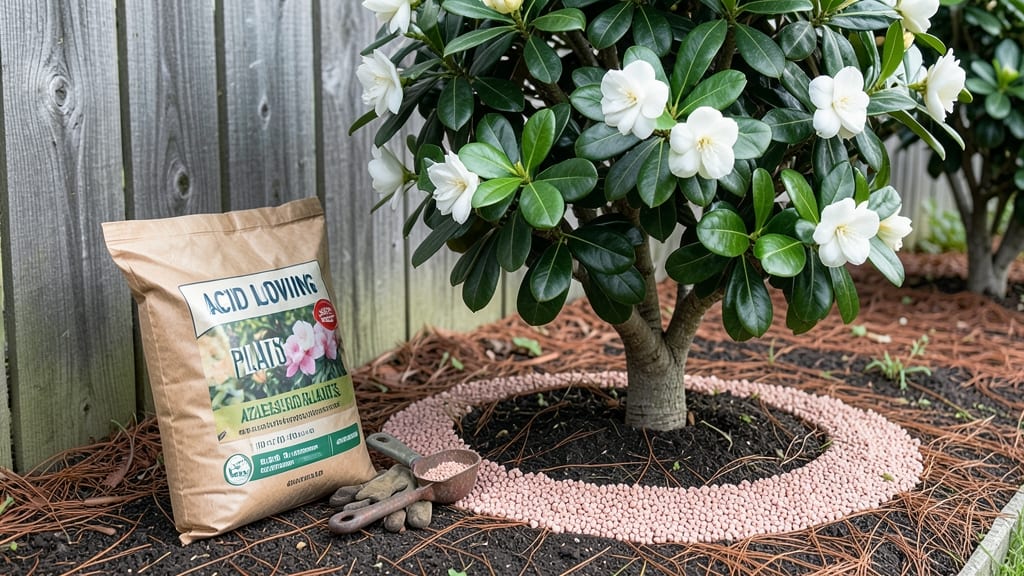
Your gardenia tree thrives on acidic fertilizer to fuel those fragrant blooms 🌸 — but the wrong mix can leave you with yellow leaves and sparse flowers.
Picture this: You’ve spent months nurturing your gardenia, only for it to reward you with a handful of buds instead of the lush display you dreamed of. The issue? Most gardeners don’t realize these acid-loving plants need a specific feeding schedule and soil pH to shine.
This guide breaks down the best fertilizers for gardenias, from organic options like peat moss to synthetic blends, and maps out a seasonal schedule that keeps your plant happy year-round. No more guesswork—just blooms on demand.
You’ll also learn how to spot over-fertilizing (a common mistake that stunts growth) and adjust your routine for indoor vs. outdoor plants. Ready to turn your gardenia into the star of the yard?
Best acidic fertilizers for gardenia trees to boost blooms
If your gardenia tree isn't producing those fragrant, creamy-white blooms you love, acidic fertilizers could be the game-changer. Gardenias thrive in acidic soil (pH 5.0-6.5) and need specific nutrients to encourage vibrant flowers.
The right fertilizer provides nitrogen for leaf growth, phosphorus for blooms, and micronutrients like iron and magnesium. Without these, your gardenia might struggle with yellowing leaves or sparse flowers. Let's explore the best options to revive your plant's natural beauty.
Not all fertilizers work for gardenias—some raise soil pH or lack the iron and manganese these plants crave. I've tested organic and synthetic options over the years, and the results speak for themselves.
Whether you prefer natural amendments or fast-acting formulas, there's a perfect match for your gardenia's needs. The key is understanding how each fertilizer affects soil chemistry and plant health.
Why acidic fertilizers? Gardenias are calcium-sensitive and prefer low-pH environments. Regular fertilizers can raise pH over time, locking out essential nutrients. Acid-lowering fertilizers like iron sulfate or peat moss create the ideal growing conditions. I'll break down the top choices, their benefits, and how to apply them for maximum impact.
| Fertilizer Type | Acidity Level | Key Nutrients | Application Rate | Best For |
|---|---|---|---|---|
| Iron Sulfate | High (lowers pH quickly) | Iron, Sulfur | 1 tsp per gallon of water (monthly) | Yellowing leaves (chlorosis) |
| Peat Moss | Moderate (slow acidifier) | Organic matter, slow-release nutrients | 1 cup mixed into top 2" of soil (spring) | Soil amendment (long-term pH) |
| Citrus Fertilizer | Moderate (acidic formula) | N-P-K (6-6-6) + micronutrients | 1 tbsp per plant (every 6 weeks) | General feeding (bloom boost) |
| Azalea Mix | High (specifically for acid-lovers) | N-P-K (10-6-8) + iron | 1 tbsp per sq ft (spring/fall) | Established plants (heavy bloomers) |
| Epsom Salt | Neutral (magnesium source) | Magnesium, Sulfur | 1 tbsp per gallon (every 4 weeks) | Leaf yellowing between veins |
Iron sulfate is my go-to for correcting chlorosis (yellow leaves) in gardenias. It's a fast-acting acidifier that also provides iron, which gardenias need for chlorophyll production. I mix 1 teaspoon per gallon of water and apply it monthly during growing season. The results? Lush, green foliage within weeks. However, use it sparingly—too much can make the soil too acidic, harming root health.
For a long-term soil solution, I recommend peat moss. This organic amendment slowly lowers pH while improving soil structure. Work 1 cup into the top 2 inches of soil in spring, and you'll create the perfect acidic environment.
Peat moss also retains moisture, which gardenias love. The downside? It breaks down over time, so reapply every 2-3 years for best results.
Citrus fertilizer is a great all-purpose option for gardenias. It's formulated for acid-loving plants and provides a balanced 6-6-6 NPK ratio with micronutrients. I apply 1 tablespoon per plant every 6 weeks during the growing season. The citrus scent is a bonus—it reminds me of summer evenings in my grandmother's garden. Just avoid using it in winter when the plant is dormant.
If you want maximum blooms, an azalea fertilizer mix is hard to beat. These formulas are specifically designed for acid-loving shrubs and contain higher nitrogen levels (10-6-8) to support both foliage and flowers. I use it in early spring and fall, applying <
Seasonal gardenia fertilizing schedule for maximum blooms
Your gardenia tree thrives on a precise feeding schedule that aligns with its natural growth cycles. Unlike many plants, gardenias demand acidic fertilizers and careful timing to produce those fragrant, creamy-white blooms.
Over-fertilizing in the wrong season can actually stunt blooms or damage roots, so let's break down the perfect monthly routine.
Gardenias are heavy feeders during their active growing months—typically spring through early fall—but they need a rest period in winter. Indoor gardenias follow a similar pattern but may require slight adjustments due to controlled environments.
The key is balancing nitrogen for foliage, phosphorus for blooms, and micronutrients for overall health.
🌱 Monthly Gardenia Fertilizing Guide
-
January-February (Light Feed)
Outdoor: Skip or use 1/4 strength acidic fertilizer. Indoor: Reduce to half-strength every 6 weeks. -
March-May (Bloom Boost)
Feed every 4-6 weeks with 8-3-6 NPK fertilizer (e.g., azalea mix). Double dose in March to kickstart growth. -
June-August (Light Maintenance)
Switch to monthly half-strength feedings. Avoid high-nitrogen fertilizers to prevent leafy growth over blooms. -
September-October (Fall Prep)
Resume every 6 weeks with low-nitrogen fertilizer to encourage root strengthening before dormancy. -
November-December (Dormancy)
No fertilization. Focus on watering adjustments and mulching to protect roots.
💡 Pro Tip: Always water deeply after fertilizing to prevent root burn. For potted gardenias, flush soil with water 1 hour after feeding.
Indoor gardenias need slightly more frequent but gentler feeding due to limited root space. Use a water-soluble acidic fertilizer diluted to half-strength every 4-6 weeks during growing months.
Avoid fertilizing when the plant is actively flowering, as this can reduce bloom quality. Instead, focus on balanced micronutrients like iron and magnesium to maintain vibrant foliage.
Watch for seasonal cues like new growth in spring or bud formation in late summer to adjust your schedule. If your gardenia shows yellow leaves or dropping buds, it may be a sign of over-fertilization or pH imbalance.
Flush the soil with water and reduce feeding frequency immediately. For outdoor plants, mulch with pine bark or peat moss to maintain acidic soil conditions year-round.
Consistency is key—stick to this schedule, and you'll reward your gardenia with prolonged blooming seasons and lush, glossy foliage. Remember, gardenias are sensitive to salt buildup, so always follow label instructions and avoid fertilizing in extreme heat or drought conditions.