
Size
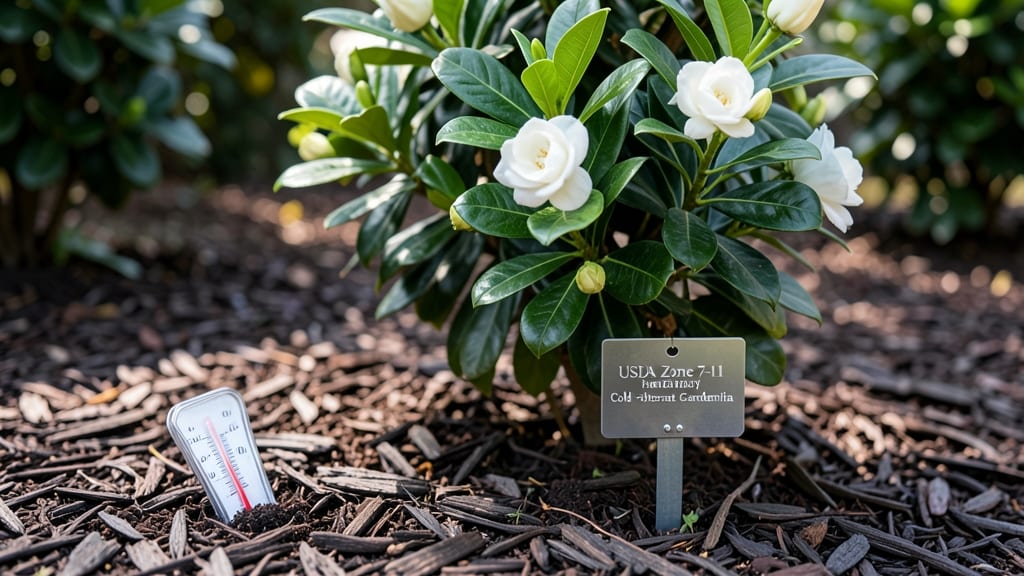
To frost-proof a gardenia 🌸 while keeping its height manageable, the key is strategic pruning and cold-season prep—because those 3-6-foot shrubs can become frost magnets if left unchecked.
Picture this: you’ve spent months nurturing your gardenia, only for a late frost to blacken its leaves and stunt its growth. The good news? With the right height adjustments and winter care, you can protect your plant from frost damage without sacrificing its beauty.
In this guide, I’ll walk you through how to prune for frost resilience, including when to trim, which varieties handle cold best, and how mulching or wrapping can make all the difference in USDA Zones 6a-9b.
You’ll leave here with a clear plan to keep your gardenia thriving—taller or shorter, your call—while dodging frost’s worst effects.

Optimal frost-proof gardenia height: pruning zones and seasonal timing
Cold winters don’t have to mean the end of your gardenia dreams—with the right pruning techniques, you can keep these fragrant beauties thriving even in frost-prone zones while controlling their height naturally. The key lies in understanding your USDA zone and timing pruning to avoid late-season frost damage.
Gardenias naturally grow 3-6 feet tall, but strategic cuts can protect them from winter chill while maintaining their lush appearance.
In USDA Zones 7-9, gardenias face different frost risks. Zone 7 may experience light frosts (28°F), while Zone 9 rarely drops below 30°F. Your pruning approach should adjust to these microclimate variations to ensure cold-hardy survival.
The goal is to shape your gardenia to 3-4 feet—tall enough for impact but low enough to avoid frost damage to the upper branches.
Timing is everything when pruning gardenias for frost protection. Late winter or early spring (February-March) is ideal because it allows new growth to harden off before summer’s heat. Avoid pruning in fall, as this stimulates tender new shoots that won’t survive winter.
For Zone 7 gardeners, focus on removing dead or weak branches first, then lightly shape the plant to reduce height.
When pruning, focus on selective cuts rather than drastic reductions. Remove 1/3 of the oldest branches first to encourage new growth from the base. This technique, called rejuvenation pruning, strengthens the plant’s center and reduces frost vulnerability.
For gardenias in Zone 8, where frosts are more severe, limit height to 3-5 feet to protect the upper canopy.
Use sharp, clean pruners to make cuts just above a leaf node or outward-facing bud. Avoid cutting into old wood, as gardenias struggle to regenerate from these areas. After pruning, apply a balanced fertilizer (10-10-10) to support new growth.
In Zone 7, where frosts are unpredictable, consider planting gardenias in containers for winter—this gives you mobility to move them indoors or under cover.
Mulching is a non-negotiable step for frost protection. Apply 3-4 inches of organic mulch (pine straw or shredded bark) around the base of your gardenia in late fall. This insulates roots from freezing temperatures and retains moisture.
For gardenias in Zone 9, where frosts are rare, mulch can be lighter (2 inches) to avoid overheating the soil.
If you live in Zone 7, consider wrapping your gardenia in burlap during extreme cold snaps. Focus on protecting the upper branches, as these are most vulnerable to frost damage. Pair this with a lightweight frost cloth for added insulation.
In Zone 8, where frosts are more common, combine mulching with a thick layer of leaves around the base for extra protection.
Watering plays a subtle but critical role in frost preparation. Keep your gardenia well-hydrated until the ground freezes, but reduce watering in late fall to prevent root rot. In Zone 9, where frosts are minimal, you can water lightly throughout winter to maintain soil moisture.
For Zone 7, ensure the soil is moist but not soggy before the first frost—this helps the plant endure cold better.
Finally, monitor your gardenia’s height throughout the growing season. If it outgrows your 3-6 foot target, perform a light pruning in early summer to maintain shape. This prevents overgrowth that could become frost-prone. With these strategies, your gardenia will thrive year-round, even in frost-prone zones.
Step-by-step pruning techniques to reduce gardenia height safely
Pruning your gardenia to control height doesn’t have to mean sacrificing those sweetly fragrant blooms. With the right techniques, you can safely reduce its stature while encouraging frost-resistant regrowth and abundant flowering. The key is timing—prune at the right season and use proper cuts to avoid stressing the plant.
Before you begin, gather your tools: sharp bypass pruners, sterilized shears, and pruning sealant (optional). Gardenias respond best to pruning in late winter or early spring, just as new growth begins.
This timing helps the plant recover before summer heat and prepares it for frost protection in colder months.
Step-by-Step Pruning Guide for Gardenia Height Control
-
Step 1: Assess the Plant
Examine your gardenia for dead, diseased, or crossing branches. Remove these first—they’re the easiest cuts and won’t affect blooms. Use your pruners at a 45-degree angle, just above a leaf node. -
Step 2: Thin Out Dense Areas
Focus on thinning cuts to open the plant’s center. Select branches growing inward or rubbing against others. Cut back to the main stem or outer branch to encourage airflow and reduce frost risk. -
Step 3: Head Back Select Branches
To lower height, heading back means cutting the tip of branches to promote bushier growth. Never trim more than 1/3 of the plant’s height at once—this prevents shock. Aim for 3-4 feet max for frost-prone zones. -
Step 4: Shape for Frost Resilience
Round the plant’s top to shed snow and ice easily. Avoid flat tops, which trap moisture and invite fungal issues. Leave 3-5 main branches to support future blooms. -
Step 5: Seal and Clean Up
Apply pruning sealant to larger cuts (over ½ inch) to prevent disease. Collect fallen debris and sterilize tools with rubbing alcohol to avoid spreading pathogens.
After pruning, monitor your gardenia closely for new growth signs within 4-6 weeks. If you notice yellowing leaves or stunted buds, you may have pruned too aggressively. Adjust future cuts to 10-15% reduction per year for gradual, healthy shaping.
For frost-prone areas, pair pruning with mulching (3-4 inches of pine straw) and wrapping young plants in burlap before the first frost. This combo protects the plant’s structure while maintaining your desired height. Always prune after frost dates to avoid damaging dormant buds.
Remember, gardenias reward patience. A well-pruned plant will rebound with lush foliage and double the blooms next season—all while standing tall against winter’s chill. With these techniques, your frost-proof gardenia will thrive year after year! 🌸