
Size
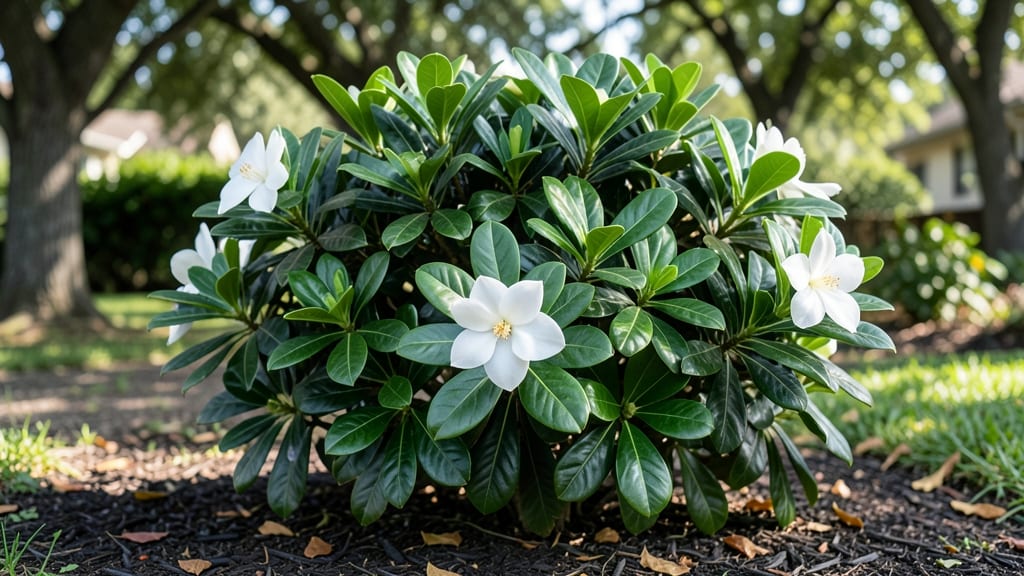
To keep your gardenia frost-proof, start with a mature size of 1-6 feet—the key to surviving winter in colder zones.
If you’ve ever watched your gardenias wilt after the first frost, you know how heartbreaking it can be. The wrong size means weaker roots, slower recovery, and fewer blooms come spring. But choosing the right frost-resistant variety and size can make all the difference.
Not all gardenias are created equal when it comes to cold tolerance. Some varieties stay compact, while others grow tall—each with its own frost-proof strategy. Below, I’ll break down the best sizes for your climate, plus how to protect them when temperatures drop.
You’ll learn which varieties thrive in USDA Zone 9b and beyond, how to plant them for winter resilience, and the simple tricks to keep your gardenias blooming year after year.


Best frost-proof gardenia varieties by mature size and cold tolerance
If you love the intoxicating fragrance and glossy foliage of gardenias but live in a colder climate, you're not out of luck! While traditional gardenias prefer USDA Zones 7-10, some frost-proof varieties can survive brief freezes and thrive in cooler regions.
The key is selecting the right size and cultivar that matches your hardiness zone and garden space.
Gardenias typically range from dwarf varieties (1-2 ft) to large shrubs (6-8 ft), but their cold tolerance varies dramatically. For example, Radicans gardenias can handle Zone 6 with proper winter care, while Kleim's Hardy gardenias push the limits to Zone 5—the coldest zone for these beauties.
Let's explore the best frost-proof options by size to help you choose the perfect addition to your garden.
| Variety | Mature Height | Cold Tolerance (USDA Zone) | Key Features |
|---|---|---|---|
| Radicans | 3-5 ft | Zone 6-7 | Fast-growing, fragrant blooms, spreading habit |
| Kleim's Hardy | 4-6 ft | Zone 5-6 | Cold-hardiest, disease-resistant, prolific bloomer |
| Veitchii | 2-3 ft | Zone 7-8 | Dwarf size, compact form, bright flowers |
| Fortuniana | 6-8 ft | Zone 7-9 | Large shrub, glossy foliage, semi-evergreen |
| Mystery | 3-4 ft | Zone 6-7 | Hybrid vigor, long blooming, compact growth |
The Radicans gardenia is my top pick for Zone 6-7 gardeners because it balances size (3-5 ft) with cold tolerance. Its spreading habit makes it ideal for hedges or foundation plantings, while its intense fragrance will fill your garden with sweetness.
For those in Zone 5, Kleim's Hardy is a game-changer—it's the only gardenia that can handle light freezes down to 10°F with proper winter protection.
If you're working with limited space, Veitchii is a dwarf gardenia (2-3 ft) that thrives in containers or small gardens. It's perfect for patio planters or as a border plant along walkways.
Just remember, even frost-proof varieties need well-draining, acidic soil (pH 5.0-6.0) and partial shade to perform their best in cooler climates.
For larger landscapes, Fortuniana reaches 6-8 ft tall and offers year-round interest with its glossy, dark green leaves. While it prefers Zones 7-9, it can be grown in Zone 6 with heavy mulching and winter wraps.
This variety is less fragrant but makes up for it with bold, creamy-white blooms that last from summer into fall.
When selecting your frost-proof gardenia, consider not just the mature size but also the growth rate. Kleim's Hardy and Radicans grow 2-3 ft per year, while Veitchii grows more slowly (6-12 inches per year).
This affects how quickly your gardenia will fill out and provide that coveted fragrance and color.
One common mistake is assuming all gardenias need full sun. In cooler climates, partial shade (morning sun, afternoon shade) is often better to prevent leaf scorch and flower drop. Pair your gardenia with acid-loving companions like azaleas, camellias, or rhododendrons to create a low-maintenance, frost-resistant garden bed.
For container gardening, choose dwarf varieties like Veitchii or Mystery and use 15-20 gallon pots with drainage holes. Move containers to a protected location before temperatures drop below 30°F, and wrap the pot in bubble wrap or frost cloth for extra insulation.
Remember, even the most frost-proof gardenias will benefit from mulching in fall with 2-3 inches of pine bark or shredded leaves. This helps regulate soil temperature and protects roots from freeze-thaw cycles, which can be just as damaging as hard freezes.
With the right variety and care, you can enjoy gardenias that bloom beautifully year after year, even in cooler climates!
How to choose the right frost-proof gardenia size for your garden layout
Selecting the perfect frost-proof gardenia size depends on your garden's layout and climate zone. Whether you have a cozy patio or a sprawling landscape, choosing the right variety ensures your gardenias thrive year-round without winter damage.
Smaller varieties work beautifully in containers, while larger shrubs create stunning focal points in garden beds.
Before planting, measure your space and consider how much room your gardenia needs to grow. Most frost-resistant gardenias reach 3-6 feet tall, but dwarf varieties stay under 2 feet, making them ideal for small gardens or balconies.
Proper spacing prevents overcrowding, which weakens plants and makes them more vulnerable to frost damage.
When planning your layout, consider the mature height and spread of your chosen gardenia. A 6-foot-tall variety will cast shade on nearby plants, so place it where it won’t block sunlight-loving species. For example, pair a large gardenia with ferns or hostas, which tolerate partial shade.
If you're planting near a frost-prone wall or patio, opt for a medium-sized variety like 'Kleim's Hardy.' Its compact size makes it easier to protect with mulch or frost cloth during cold snaps. Always plant in well-draining, acidic soil (pH 5.0-6.0) to help roots withstand winter stress.
For container gardeners, select a dwarf or semi-dwarf gardenia to maximize your space. Use a pot with a minimum 15-gallon capacity and place it in a location with morning sun and afternoon shade.
Move containers indoors or to a garage or shed before temperatures drop below 20°F to prevent frost damage.
Remember, the key to frost-proof gardenias is proper sizing and placement. Whether you're creating a romantic garden border or a container garden on your balcony, choosing the right size ensures your gardenias will reward you with fragrant blooms year after year. 🌸