Picking
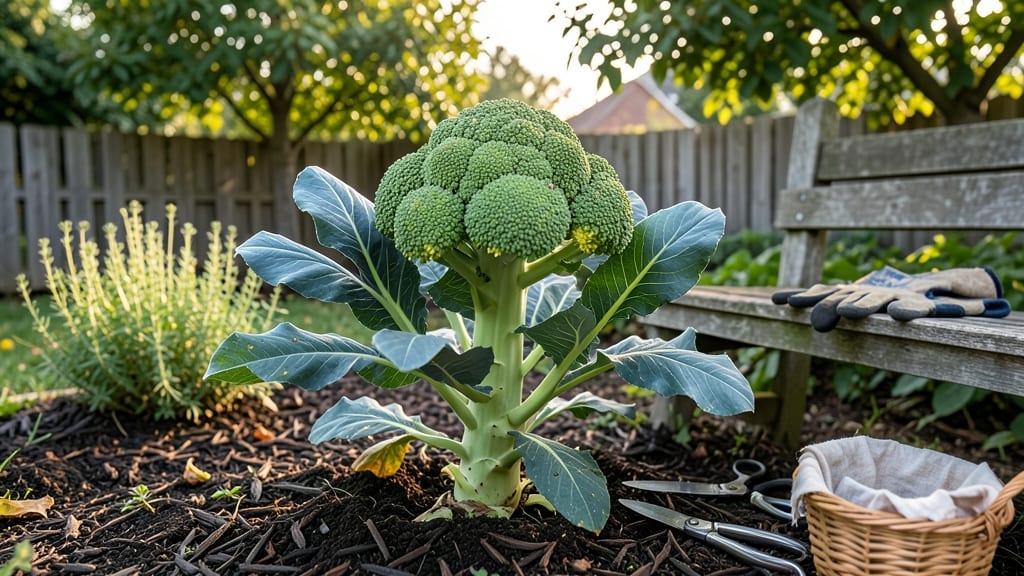
To pick broccoli from the garden at the perfect moment means snagging tender, flavorful crowns instead of bitter, overgrown heads.
Harvesting broccoli at the wrong time means bitter florets and wasted effort—but getting it right guarantees tender, flavorful crowns that’ll make your kitchen the envy of the neighborhood. Timing matters more than you think!
Look for deep green, tightly closed buds about 60 days after planting, before those yellow flowers even think about popping up. That’s your cue to grab the shears and get cooking.
Below, I’ll walk you through the 3 visual cues that signal peak harvest time, how to avoid common mistakes, and even how to coax extra harvests from side shoots for months.
3 Visual cues to know when broccoli is ready for harvest
Knowing exactly when to harvest your broccoli can turn a mediocre crop into a flavorful feast. The difference between perfectly tender florets and bitter, woody stalks often comes down to timing. I’ve learned that visual cues are the easiest way to gauge readiness—no guesswork required.
These three simple checks will help you pick your broccoli at its peak, ensuring every bite is sweet and crisp.
First, let’s talk about the color of the florets. When your broccoli is ready, the deep green hue should be vibrant and uniform. Dull or yellowing florets mean it’s past its prime.
I always check under the leaves for hidden clues—if the underside looks pale or spotted, that’s a sign to harvest sooner rather than later. A healthy broccoli head should look like it’s been kissed by sunlight, not left to bake in the heat.
Next, focus on the size and shape of the head. The ideal broccoli head is compact and tightly closed, resembling a mini tree. If the florets start to spread apart or the buds open up, you’ve missed the window.
I like to compare it to a closed fist—if it fits the description, it’s ready. Waiting too long turns those tight buds into bitter, flowery stems that no one wants to eat.
Finally, the texture of the stem and florets gives away the best harvest time. Run your fingers over the main stem—it should feel thick and sturdy, not hollow or brittle. The florets should be firm to the touch, not mushy or rubbery.
If you press gently and feel resistance, that’s your cue to grab your pruners. Overripe broccoli loses its snap and becomes tough, so timing is everything.
🌱 3 Visual Cues to Harvest Broccoli at Peak Flavor
- 1. Deep Green Color: Florets should be vibrant green with no yellowing. Check the underside—pale spots mean it’s overripe.
- 2. Compact Head: The buds should stay tightly closed, like a closed fist. Open florets = bitter taste.
- 3. Firm Texture: Press the stem and florets—they should feel solid, not hollow or mushy.
Pro Tip: Harvest in the morning when temps are coolest for the freshest flavor.
Once you’ve mastered these visual cues, you’ll notice another bonus: side shoots! After harvesting the main head, your broccoli plant often produces smaller side shoots along the stem. These are just as flavorful and can give you a second (or even third) harvest.
I’ve seen plants yield three rounds of broccoli if cared for properly. Keep an eye on the stem—new buds will form within a few weeks, and you can repeat the same visual checks to harvest them.
Don’t forget to use a sharp knife or pruners to cut the stem about 5-7 inches below the main head. This leaves enough stem for regrowth and prevents disease. I always clean my tools between cuts to avoid spreading any garden pests.
After harvesting, give your plant a drink of water and a little shade if it’s been hot—it’ll bounce back faster and start producing those tasty side shoots.
One common mistake I see is waiting too long because the broccoli looks "big enough." But size doesn’t equal flavor—tightness and color matter more. I’ve learned the hard way that a giant, open broccoli head is a waste of space in my garden.
By the time it’s fully grown, it’s often past its prime. Trust your eyes and your fingers—they’ll guide you better than any calendar ever could.
If you’re growing broccoli in containers or raised beds, the same rules apply. Just be extra gentle when harvesting to avoid damaging the roots. I’ve had great success with container-grown broccoli, especially in smaller varieties like Calabrese or De Cicco.
These compact types are perfect for balconies or patios, and they still give you those telltale visual cues when it’s time to pick.
Now that you know what to look for, you’re ready to enjoy the sweetest, crispiest broccoli your garden has ever produced. And the best part? You’ll get to enjoy it for weeks if you keep an eye on those side shoots.
Happy harvesting—your taste buds (and your dinner table) will thank you!
Broccoli harvest mistakes that ruin your crop (and how to avoid them)
Even experienced gardeners can make costly mistakes when harvesting broccoli. The difference between a flavorful, tender crown and a bitter, woody one often comes down to timing and technique. I’ve seen entire crops go to waste because of simple oversights—like waiting too long or cutting stems improperly.
Let’s break down the most common errors and how to avoid them so you can maximize your harvest.
One of the biggest mistakes is harvesting broccoli heads that are too large or too loose. When florets start spreading apart or turn yellow, they’ve passed their prime. This isn’t just about taste—overripe broccoli also signals the plant to shift energy into seed production, reducing future side shoot growth.
I’ve lost count of how many gardeners I’ve seen pull heads that were already flowering, thinking they were still good to eat!
Another critical error is cutting the stem at the wrong place. If you sever too high or too low, you damage the plant’s ability to produce side shoots. The ideal cut is about 5-7 inches below the head, leaving enough stem to support regrowth.
I once saw a gardener snip right at the base, and that plant never produced another edible shoot. Precision matters!
⚠️ When to Pick Broccoli: The Critical Window
Harvest broccoli when:
- Heads are compact and tightly closed (no visible buds)
- Color is deep green and vibrant (not yellowing)
- Stems are thick and sturdy (not woody or hollow)
Never wait until:
- Florets start to spread apart (flavor declines fast)
- Yellow flowers appear (plant shifts to seed production)
- Stems feel hollow or brittle (overmatured)
Pro tip: Use a sharp knife or pruners to cut stems cleanly—never tear the plant!
Ignoring side shoots is another common mistake that leads to wasted plants. After harvesting the main head, broccoli plants often produce 3-5 smaller side shoots in the leaf axils. These can be just as flavorful if given proper care.
I’ve had gardeners pull the whole plant after the first harvest, missing out on weeks of additional production. With the right technique, a single plant can yield 3-4 harvests in one season!
Overwatering or underwatering can also ruin your broccoli harvest. Consistent moisture is key—let the soil dry slightly between waterings but never let it get bone-dry. I’ve seen plants bolt (go to seed prematurely) because they were stressed from inconsistent watering.
Mulching helps maintain even moisture levels and keeps roots cool, which is especially important in hot climates.
Finally, harvesting at the wrong time of day can affect quality. Broccoli is most tender in the morning after dew has dried** but before the midday heat sets in.
I’ve noticed that heads picked in the afternoon can taste slightly bitter. Always harvest early to preserve that crisp, sweet flavor you’re after.
By avoiding these common mistakes, you’ll not only get the best-tasting broccoli but also extend your harvest season. And remember: every plant has potential for multiple harvests if you give it the right care! 🌱