
Pruning
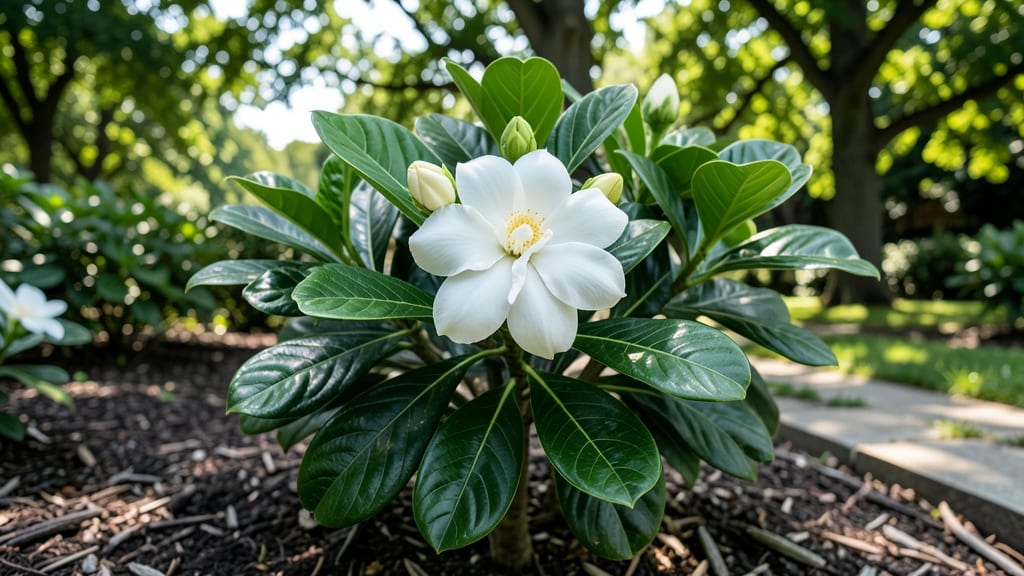
A gardenia tree’s height can reach 6 to 15 feet if left unchecked, but with the right approach, you can shape it into a manageable, fragrant focal point for your garden.
Struggling to keep your gardenia tree from towering over your backyard? The right pruning strategy can transform a wild, overgrown shrub into a perfectly proportioned centerpiece—without sacrificing its stunning blooms.
Most gardenia varieties, like the popular Gardenia jasminoides 🌸, naturally grow between 3 and 6 feet when pruned regularly, making them ideal for hedges, containers, or small landscapes. But without guidance, they can easily outgrow their space, blocking views or overshadowing other plants.
In this guide, you’ll discover how to control your gardenia’s height through smart pruning—when to trim for compact growth, which tools to use, and how to encourage bushier blooms while keeping it at your desired size.

Natural gardenia tree height growth patterns by variety
If you're planning your garden layout, understanding gardenia tree height by variety is key. These fragrant beauties grow at dramatically different rates depending on their type—whether you're dealing with cold-hardy varieties or tropical showstoppers. Knowing these patterns helps you choose the perfect gardenia for your space and climate.
Most gardenia varieties fall into two main categories: shrub forms (typically 3–6 feet) and tree forms (reaching 8–15 feet). The differences aren’t just about height—they also affect how much pruning you’ll need and whether they’ll thrive in your local climate.
Let’s break down the most popular varieties and their natural growth habits.
Cold-hardy gardenias like 'Kleim’s Hardy' are the best for northern gardens, while tropical varieties like 'Radicans' need warm climates to reach their full potential. Even within the same variety, climate conditions can shift growth by 2–3 feet—sun exposure, humidity, and temperature all play a role.
For gardeners in USDA Zones 7–9, 'Kleim’s Hardy' is the gold standard—it matures at a manageable 6–8 feet and tolerates light frosts. This variety grows about 1–2 feet per year, making it ideal for structured garden designs.
If you live in a warmer zone (10+), 'Radicans' will tower over your landscape, reaching 10–15 feet with rapid growth of 2–3 feet annually.
Tropical varieties like 'Veitchii' love humidity and heat, which accelerates their growth. In coastal climates, expect these gardenias to grow faster than inland—sometimes 30% taller due to higher moisture levels.
If you’re in a drier climate, growth slows, and you may need to supplement with regular deep watering to encourage blooming.
Dwarf varieties like 'Mystery' are perfect for containers or small gardens, staying under 5 feet tall. These compact types grow slower (0.5–1 foot per year) and require less pruning, but they still need acidic soil and partial shade to thrive.
If you’re growing them in pots, plan for annual repotting to accommodate root growth.
Climate isn’t the only factor—soil quality and sun exposure also influence height. Gardenias planted in poorly draining soil may grow leggy and reach for sunlight, adding extra height you don’t want. Always amend soil with organic matter and mulch to keep roots cool and encourage bushier growth.
If you’re in a cold climate, choose cold-hardy varieties
Best pruning timing to control gardenia tree height
Timing your pruning is everything when shaping your gardenia tree. Cutting at the wrong time can stunt growth or even kill your plant, while strategic trimming during the right season encourages bushier or taller shapes.
Gardenias respond best to pruning in late winter or early spring when they’re just waking up from dormancy. This timing helps direct energy toward new growth rather than wasted recovery.
If you’re aiming for a taller gardenia tree, focus on removing lower branches to create a clean trunk and encourage upward growth. For a compact, bushier look, prune the top growth and inner branches to promote lateral branching.
Always use sterilized pruners to prevent disease—gardenia trees are sensitive to infections.
- Spring Pruning (March-April): Best for shaping and encouraging blooms. Prune after last frost when new growth begins.
- Summer Pruning (June-July): Light trimming only to remove dead flowers and shape. Avoid heavy cuts—this stresses the plant.
- Fall Pruning (September-October): Avoid heavy pruning. Focus on cleaning up and removing weak branches only.
- Winter Pruning (November-February): Never prune in cold months. Gardenias are dormant and won’t recover well.
- Variety-Specific Tip: 'Kleim’s Hardy' gardenias can handle light summer pruning, but tropical varieties like 'Radicans' need spring-only cuts.
For tropical gardenia varieties, like Gardenia jasminoides, prune just after flowering in late spring to promote a second flush of blooms. Cold-hardy types, such as 'Kleim’s Hardy', can tolerate light summer pruning but still prefer spring shaping for best results.
Always step back and visualize the final shape—gardenia trees grow densely, so less is often more.
Never prune your gardenia tree in winter or during active blooming periods. Cutting too late in the season can leave your plant vulnerable to cold damage or fungal infections. Instead, plan your pruning for early spring when the plant is ready to rebound with vigorous new growth.
Pair your pruning with a balanced fertilizer (like 10-10-10) to support recovery.
If you’ve let your gardenia grow too tall, don’t panic. You can gradually reduce height over 2-3 years by pruning back 1/3 of the height each spring. For a bushier shape, trim the top third of the plant to encourage lateral branching.
Always make cuts just above a leaf node or bud to promote healthy regrowth.
Remember, gardenias reward patience. With the right pruning timing and technique, you’ll enjoy a perfectly proportioned tree that blooms beautifully year after year—without the wild, overgrown look. Start small, observe how your plant responds, and adjust your approach as needed. Happy pruning! 🌿