
Shrubs
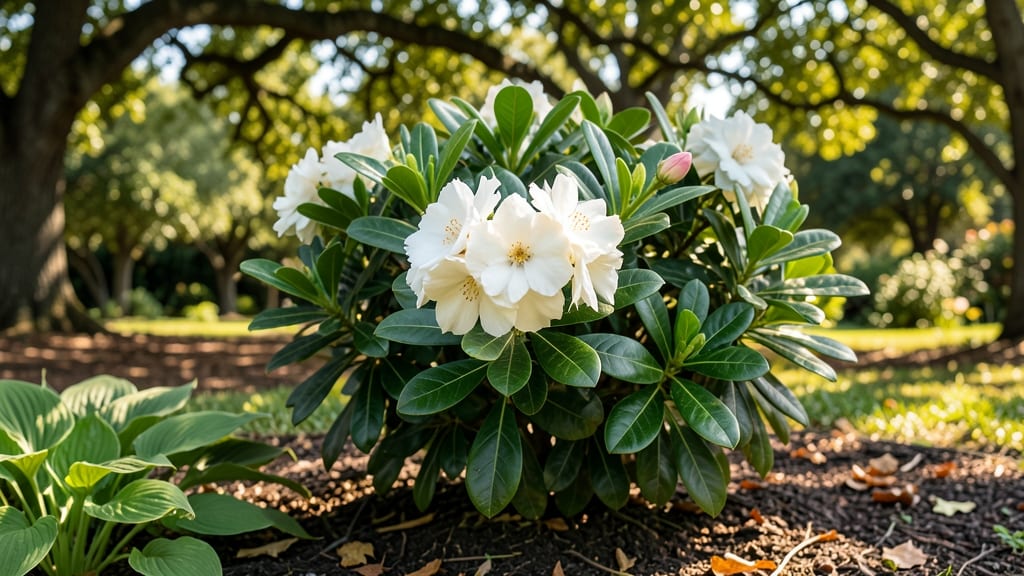
A full grown gardenia bush 🌸 can reach 4 to 6 feet tall with a lush, rounded shape that makes it the star of any garden or patio.
Picture this: fragrant white blooms in spring and summer, glossy dark green leaves year-round, and a plant that thrives with just the right care. But here’s the catch—many gardeners struggle to keep their mature gardenias blooming consistently, often due to pruning mistakes or soil issues.
If you’ve ever wondered how to coax more flowers from your gardenia or keep it healthy through seasonal changes, you’re in the right place. This guide covers everything from expert pruning techniques to seasonal maintenance, so you can enjoy that dreamy, fragrant gardenia bush all year.
We’ll also tackle common problems like yellowing leaves or bud drop, plus how to fix them before they become bigger issues. With the right approach, your gardenia can become the showstopper you’ve always wanted.
How to prune a full grown gardenia bush for maximum blooms
A full grown gardenia bush can reach heights of 4-6 feet with proper care, but its true magic lies in those fragrant white blooms that fill your garden with sweet perfume. Pruning isn't just about shaping—it's about encouraging healthy growth and maximizing flower production.
When done correctly, your gardenia will reward you with year-round blooms and lush foliage. The key is timing, technique, and knowing what to avoid.
Most gardeners make the mistake of pruning at the wrong time or using dull tools, which can damage the plant and invite diseases. I’ve learned through experience that spring is the best time to prune gardenias, but there are specific steps to follow for optimal results.
Let’s break it down so you can transform your gardenia into a bloom-producing powerhouse.
Step-by-Step Pruning Guide for Gardenia Bushes
- Step 1: Choose the Right Time
Prune your full grown gardenia bush in early spring (March-April) or late fall (October-November). Avoid pruning in summer or winter when the plant is stressed or dormant. - Step 2: Gather Your Tools
Use clean, sharp pruning shears (sterilized with rubbing alcohol) and gloves to protect your hands from sap. A hand saw may be needed for thicker branches. - Step 3: Remove Dead or Diseased Wood
Start by cutting out any dead, damaged, or diseased branches at the base. This improves air circulation and prevents fungal spread. - Step 4: Thin Out Overcrowded Branches
Look for crossing or rubbing branches and remove one of the two. This creates an open, airy shape that reduces humidity buildup and disease risk. - Step 5: Shape the Bush
Trim back overly long branches to maintain a balanced shape. Aim to keep the bush wider than it is tall for better stability and bloom production. - Step 6: Prune for Flower Production
Cut back last year’s growth by about 1/3 to encourage new, flower-producing branches. Avoid heavy pruning in one season—space it out over 2-3 years. - Step 7: Clean Up
Rake up and dispose of clippings properly (compost if disease-free). Sterilize your tools again to prevent contamination in future pruning sessions.
One of the most common mistakes I see is pruning too late in the season, which can leave your gardenia vulnerable to cold damage before it has time to recover. Another pitfall is over-pruning, which can shock the plant and reduce blooms.
Remember, gardenias bloom on new wood, so you want to encourage fresh growth without stripping the plant of its energy.
When shaping your bush, focus on creating an open center to allow sunlight and air to reach all parts of the plant. This reduces the risk of fungal diseases like powdery mildew, which can devastate gardenias.
I like to step back every few cuts to visualize the final shape—it’s easier to see what needs adjustment from a distance.
If you’re dealing with a very mature gardenia bush that’s become leggy, you can perform a rejuvenation pruning in early spring. This involves cutting back up to 1/3 of the oldest wood to stimulate new growth.
While this might seem drastic, it’s often necessary to revitalize an overgrown plant and encourage a fresh flush of blooms.
After pruning, give your gardenia a light fertilizer application with a balanced, acid-loving formula (like 10-10-10) to support new growth. Water deeply but avoid overwatering, as soggy soil can lead to root rot. Mulch around the base with organic matter to retain moisture and regulate soil temperature.
Finally, keep an eye out for new growth in the following weeks. Healthy gardenias will respond to pruning with vigorous shoots and, eventually, abundant blooms.
If you notice yellowing leaves or stunted growth, it might be a sign of over-pruning or nutrient deficiency. Adjust your care routine accordingly.
With these steps, your full grown gardenia bush will thrive, producing fragrant blooms that’ll make your garden the envy of the neighborhood. Happy pruning! 🌸✂️🌿
Year-round care schedule for thriving gardenia bushes
A full grown gardenia bush thrives when you adapt your care routine to each season. In spring and summer, focus on consistent watering and monthly feeding to fuel those iconic white blooms.
Meanwhile, fall and winter demand different strategies—like soil pH adjustments and winter protection—to keep your shrub healthy year-round. Let’s break down the essential tasks for each season to ensure your gardenia stays lush and fragrant.
Your gardenia’s watering needs shift dramatically with the seasons. In hot climates, you might water every 2-3 days during summer, while cooler regions can stretch it to 5-7 days. Always water deeply in the morning to prevent fungal issues, and use mulch to retain moisture.
Adjust your schedule based on rainfall—your gardenia’s roots should stay evenly moist but never soggy.
| Season | Task | Frequency | Notes |
|---|---|---|---|
| Spring | Water deeply | Every 3-4 days | Test soil pH (aim for 5.0-6.5) |
| Summer | Fertilize | Every 4-6 weeks | Use iron-rich fertilizer |
| Fall | Light feeding | Monthly until Oct | Add mulch for insulation |
| Winter | Protect from frost | As needed | Use burlap wrap for cold snaps |
Soil pH adjustments are critical for gardenias, which thrive in acidic soil (pH 5.0-6.5). Test your soil in early spring—if it’s too alkaline, amend it with sulfur or peat moss.
For organic gardeners, try pine needles or coffee grounds as natural acidifiers. In containers, repot every 2-3 years with fresh, acidic potting mix to prevent nutrient deficiencies that cause yellow leaves.
When it comes to fertilizer types, gardenias respond well to both organic and synthetic options. I recommend a balanced 10-10-10 fertilizer with added iron for green foliage, applied every 6 weeks in spring and summer.
For organic choices, try fish emulsion or composted manure. Always water thoroughly after fertilizing to prevent root burn. In fall, switch to a low-nitrogen fertilizer to encourage root hardening before winter.
Winter protection is key for gardenias in USDA Zones 6-7. Before the first frost, wrap the bush in burlap or frost cloth and add a 3-inch layer of mulch around the base.
In pots, move your gardenia to a garage or sheltered porch where temps stay above 30°F. Avoid fertilizing during dormancy—your plant’s energy should focus on root maintenance, not new growth. Prune lightly in late winter to remove dead wood and shape the bush for the coming season.
By following this year-round care schedule, your full grown gardenia bush will reward you with glossy leaves and fragrant blooms for years to come. The secret lies in seasonal adjustments—whether it’s summer hydration, fall feeding, or winter protection.
With consistent care, your gardenia will become the centerpiece of your garden’s fragrance and beauty. 🌸