
Tools
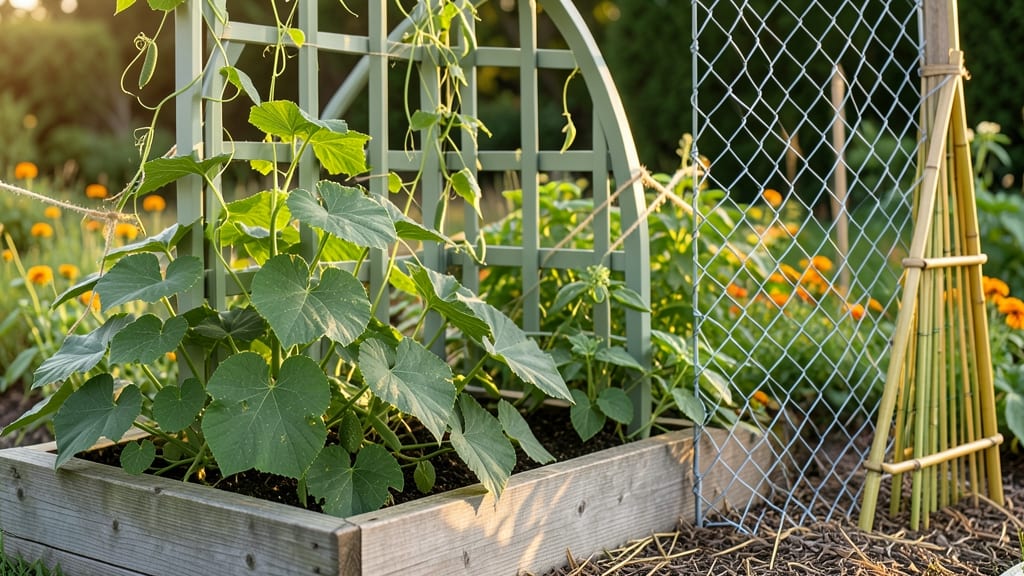
Transforming your garden bed with trellis ideas turns wasted space into a vertical paradise for climbers like the Clematis Vine 🌿 and other vines.
Picture this: a compact backyard bursting with lush greenery, fragrant blooms, and even homegrown veggies—all without stealing precious square footage. The right trellis does more than support plants; it adds privacy, defines garden zones, and turns a simple bed into a showstopping feature.
From rustic wooden arches to sleek metal obelisks, the options are endless—whether you're working with a small urban plot or a sprawling country garden. Below, I’ll break down the best materials, DIY hacks, and plant pairings to help you choose what fits your space and style.
Ready to reclaim your garden’s vertical real estate? Let’s dive into creative, functional designs that make every inch count.
15 Best garden bed trellis ideas for climbing plants & privacy
Vertical gardening isn't just a trend—it's a game-changer for small spaces. A well-placed garden bed trellis can double your growing area, support climbing plants, and even create a living privacy screen.
Whether you're growing cucumbers, roses, or clematis vines, the right trellis design makes all the difference. Let’s explore 15 creative options that blend function with aesthetics.
From rustic wooden teepees to sleek metal arches, each trellis type serves a purpose. Some maximize vertical space for vegetable gardens, while others add visual appeal with intricate lattice patterns.
The key is matching your trellis to your plant type and garden layout. For example, pole beans thrive on simple stakes, while passionflowers need sturdy, sprawling supports.
Here’s a quick comparison of the top trellis styles to help you decide which fits your garden best:
| Trellis Type | Best For | Materials | Height Range | Privacy Level |
|---|---|---|---|---|
| Obelisk Trellis | Cucumbers, Beans, Pole Beans | Metal, PVC, Wood | 4-6 ft | Low |
| Teepee Trellis | Climbing Roses, Clematis, Morning Glories | Bamboo, Wood, Metal Rods | 6-10 ft | Medium |
| Arched Trellis | Grapevines, Wisteria, Passionflowers | Metal, Wood, Wrought Iron | 8-12 ft | High |
| Lattice Panels | Privacy Screens, Climbing Hydrangeas | Wood, Vinyl, Metal Mesh | 6-8 ft | Very High |
| DIY Twine Trellis | Peas, Lightweight Vines | Jute, Twine, Wire | 3-5 ft | Low |
| Cage Trellis | Tomatoes, Eggplants, Peppers | Metal, Plastic, Wooden Slats | 4-5 ft | Medium |
| Spiral Trellis | Sweet Peas, Morning Glories | PVC, Wooden Dowels | 5-7 ft | Low |
| A-Frame Trellis | Heavy Vines, Ivy | Wood, Metal | 7-10 ft |
How to choose the right trellis material for durability & aestheticsSelecting the perfect trellis material balances functionality and visual appeal. Each option offers unique benefits—whether you prioritize weather resistance, weight-bearing capacity, or budget-friendly solutions. Let’s explore the top materials to help you make an informed choice for your garden bed trellis ideas. Your trellis should withstand rain, wind, and seasonal weight from climbing plants like clematis or heavy vines. Materials like metal and PVC excel in durability, while wood and bamboo add natural charm. Recycled plastic is a sustainable option gaining popularity for its low maintenance and eco-friendly appeal. Cost is another key factor—wood and bamboo are affordable but require more upkeep, while metal and PVC offer long-term savings despite higher upfront costs. Consider your garden’s style too: rustic wood pairs beautifully with cottage gardens, while sleek metal trellises complement modern designs. Wood Trellis
Cons
Metal Trellis
Cons
PVC Trellis
Cons
Bamboo Trellis
Cons
Recycled Plastic Trellis
Cons
For heavy climbers like clematis or wisteria, metal or thick wooden tre |