How To
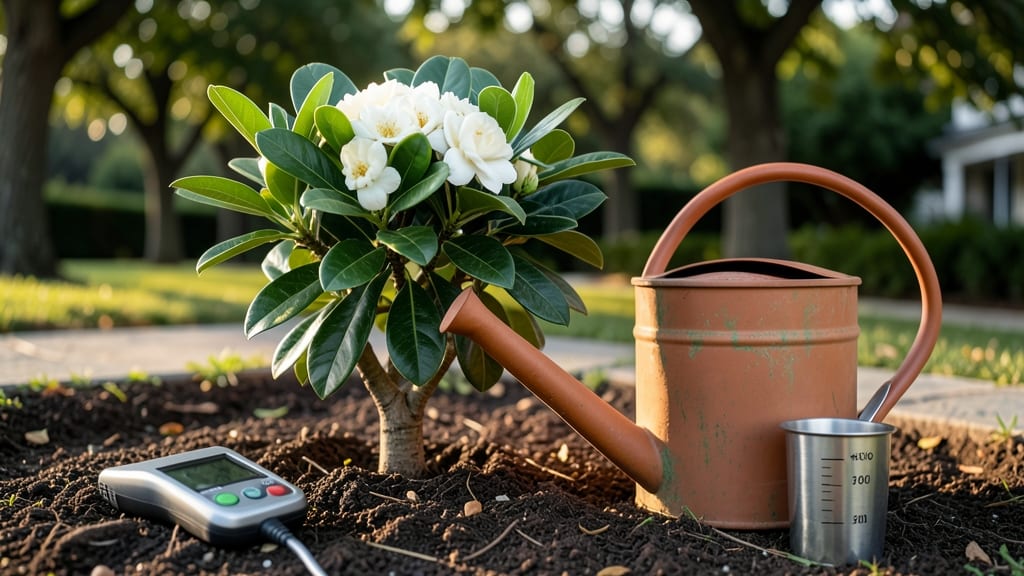
Watering a gardenia 🌸 the right way means giving it every 1-2 weeks—but timing this perfectly can mean the difference between fragrant blooms and a struggling shrub.
Most gardeners either drown their gardenias or leave them parched, both of which stunt growth and kill those prized white flowers. The secret isn’t just how much you water—it’s when and how you check the soil first.
In this guide, I’ll break down the exact schedule based on your climate, whether your gardenia is in a pot or the ground, and the simple soil tests that tell you exactly when to water—without guessing.
You’ll learn to read your plant’s thirst cues, adjust for summer heatwaves, and even fix drainage issues that trap moisture and rot roots. No more second-guessing—just perfect moisture every time.
Gardenias need water every 1-2 weeks: the exact schedule based on seasons
Gardenias are tropical divas that thrive when their moisture needs are met—but not drowned. As someone who’s nursed my own gardenias back from the brink of root rot, I’ve learned their watering schedule isn’t one-size-fits-all.
The season, humidity, and whether your plant lives in a pot or in the ground all change the game. Let’s break down the science-backed schedule to keep your gardenia blooming like a dream.
Most gardeners water gardenias every 1-2 weeks, but that’s a rough estimate. In reality, your gardenia might need water daily in summer or only bi-weekly in winter. The key is understanding how seasonal shifts affect moisture loss.
For example, high heat and low humidity (like in Arizona summers) can dry out soil twice as fast as in cooler, humid climates (like Florida’s spring).
Before we dive into the schedule, here’s a critical rule: gardenias hate soggy roots. Their native habitat in tropical Asia means they prefer consistent moisture but well-draining soil.
Overwatering is the #1 killer—it leads to root rot and yellowing leaves, while underwatering causes drooping foliage and bud drop. The solution? A moisture-balanced approach tailored to the season.
| Season | In-Ground Watering | Potted Watering | Soil Test Before Watering | Key Adjustments |
|---|---|---|---|---|
| Spring | Every 3-4 days | Every 2-3 days | Top 1-2 inches dry | Increase if drought stress appears (wilting leaves) |
| Summer | Daily or every other day | Every 1-2 days | Top 1 inch dry | Reduce in high humidity (every 3rd day) |
| Fall | Every 4-5 days | Every 3-4 days | Top 2 inches dry | Stop fertilizing to reduce thirst |
| Winter | Every 2 weeks | Every 10-14 days | Top 3 inches dry | Move containers to garage if temps drop below 40°F |
Let’s start with spring, when your gardenia wakes up from dormancy. This is the ideal time to establish a watering routine. In my zone 7b, I water my in-ground gardenia every 3-4 days in spring, but I check the soil first.
Stick your finger 1-2 inches deep—if it feels dry, it’s time to water. Potted gardenias dry out faster, so I water them every 2-3 days in spring. The goal is to mimic their tropical rainforest roots, which love moisture but hate waterlogged soil.
When summer rolls around, the game changes. Heat and dry air evaporate moisture at lightning speed. My gardenia in full sun needs water daily or every other day, while my shaded one gets water every 3 days. Pro tip: water in the early morning to reduce fungal risks.
For potted gardenias, I soak the pot until water runs out the drainage holes—this ensures roots get the deep hydration they crave. If you notice yellow leaves or drooping buds, it’s a sign to water more frequently.
As fall arrives, your gardenia’s water needs slow down. Cooler temps and shorter days mean less moisture loss. I adjust to watering my in-ground gardenia every 4-5 days and potted ones every 3-4 days.
This is also the time to reduce fertilizer, as excess nutrients can make your plant thirstier. Watch for brown leaf edges, a classic sign of underwatering in fall. If you see this
The 3-Step soil test to avoid overwatering (and save your gardenia)
Your gardenia thrives on consistent moisture but despises soggy roots—yet most gardeners can't tell the difference between a thirsty plant and one drowning in overwatering. The key?
A simple 3-step soil test that reveals exactly when to water. I've saved countless gardenias using these tricks, and they're easier than you think.
First, check the finger-depth method: Stick your index finger 1-2 inches into the soil near the roots. If it feels dry at this depth, it's time to water. If damp, wait another day.
This mimics how gardenias naturally absorb moisture in their tropical habitat. Pro tip: Use your other hand to gently squeeze the soil—it should crumble slightly when dry but hold shape when moist.
Next, grab a handful of soil and assess its weight and texture. Healthy gardenia soil should feel light but not powdery, like a damp sponge. If it's heavy and clumps together, you've likely overwatered.
This test catches early signs of root rot, which turns leaves yellow and causes wilting despite wet soil. Remember: Gardenias hate "wet feet," so aim for soil that's moist but never saturated.
How Often to Water Gardenia
Don't overlook the color cue: Healthy gardenia soil should be a rich, dark brown—almost like moist coffee grounds. If it looks grayish or smells sour, you're overwatering.
This color shift happens when oxygen is displaced by excess water, creating the perfect conditions for fungal diseases. Action step: If you spot gray soil, reduce watering immediately and improve drainage by adding perlite or sand to your mix.
Here's my emergency fix for gardeners who've already overwatered: Stop watering completely for 3-5 days and let the soil dry out. Then, repot the gardenia in fresh, well-draining soil mixed with orchid bark or coconut coir.
This breaks the cycle of root rot while giving your plant a fresh start. Watch closely—new growth within 2 weeks means you've saved it!
Mastering these tests will transform your gardenia care. I've seen drooping plants bounce back in just days once I adjusted their watering based on soil tests.
The secret? Consistency—check your soil the same way every time, and your gardenia will reward you with glossy leaves and fragrant blooms all season. 🌸