Fertilization
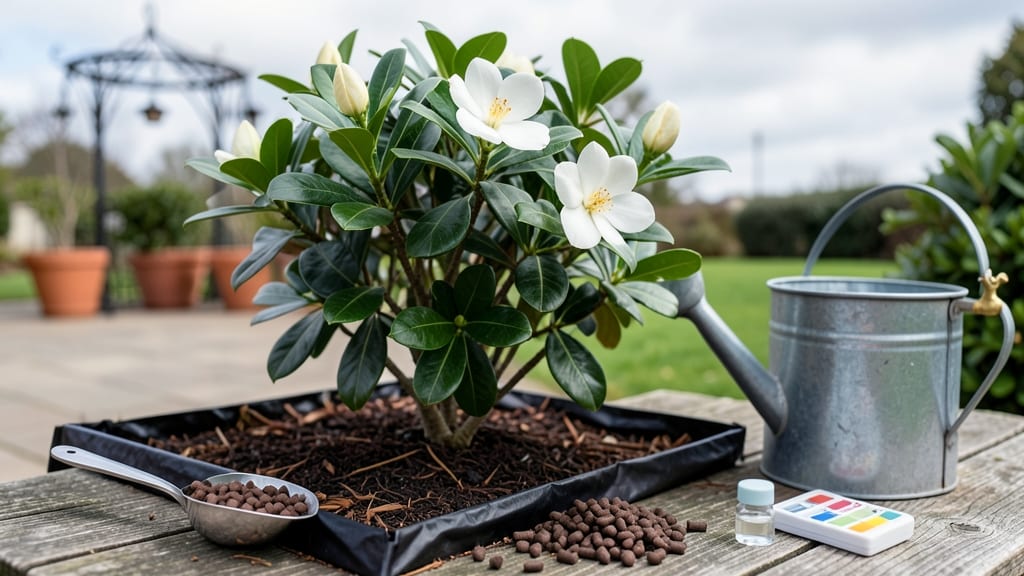
To fertilize gardenias properly, you’ll want to feed them every 4 to 6 weeks during the growing season—spring through early fall—using an acid-loving fertilizer.
Picture this: your 🌸 gardenias are thriving in your Zone 6 garden, but instead of fragrant blooms, you’re left with sparse growth or yellowing leaves. That’s often a sign your fertilization routine is off—either too much, too little, or the wrong type.
Gardenia plants crave nutrients like iron and nitrogen, but they’re sensitive to overfeeding. A balanced fertilizer with a 6-6-6 or 8-3-9 NPK ratio keeps them happy, but timing is everything. Too early, and you’ll stunt blooms; too late, and you’ll miss the peak growing season.
In this guide, I’ll walk you through the exact schedule—when to start in spring, how to adjust in summer, and why you should skip fertilizer entirely in winter. Plus, I’ll share the telltale signs your gardenias are begging for more (or less) food.

Gardenia fertilizing schedule by season: when and what to use
Gardenias thrive when you match their fertilization schedule to their natural growth cycles. Unlike many plants, they demand a seasonal approach—too much fertilizer at the wrong time can stress them, while too little means fewer fragrant blooms.
The key is understanding their active growing months (spring to early fall) and dormancy period (winter). I’ve learned this the hard way after accidentally over-fertilizing my gardenias in late fall, which led to leaf burn and stunted growth the next spring.
Most gardeners focus on spring and summer feeding to fuel blooming, but fall and winter require a completely different strategy. For example, a light feeding in September prepares your plant for dormancy, while skipping fertilizer entirely in winter prevents unnecessary stress.
Let’s break down the exact timing, fertilizer types, and amounts for each season to keep your gardenias lush and fragrant year-round.
Pro Tip: Always use a balanced, acid-loving fertilizer with an NPK ratio like 6-6-6 or 8-3-9. Gardenias hate alkaline soil—aim for a pH between 5.0 and 6.0. If your soil isn’t acidic, amend it with sulfur or peat moss before fertilizing. I test my soil every 2-3 years to ensure it stays in the ideal range.
In spring (March-May), your gardenias wake up from dormancy, and this is when you should kickstart their growth with a balanced fertilizer every 4 weeks. I use a 6-6-6 formula for my gardenias because it provides equal parts nitrogen, phosphorus, and potassium, which supports both foliage and blooms.
Apply it in the early morning after watering to prevent root burn. For potted gardenias, reduce the amount by half since they have limited root space.
During summer (June-August), your gardenias are in their peak blooming phase, so they need a bloom-boosting fertilizer like an 8-3-9 formula. Switch to feeding every 6 weeks instead of 4 to avoid overloading the plant.
If you notice yellowing leaves or leaf drop, flush the soil with water to prevent salt buildup from synthetic fertilizers. Organic options like fish emulsion are gentler and work well in summer.
As fall approaches (September-October), your gardenias start preparing for dormancy. This is the time to lighten up on fertilization. A single light feeding in early September with compost tea or a diluted organic fertilizer helps transition the plant without overstimulating new growth.
Avoid fertilizing after mid-October, as new growth won’t harden off before winter. I’ve seen gardenias struggle when forced to grow in cold weather—it’s a classic case of over-caffeinating a plant!
Winter (November-February) is your gardenia’s dormancy period, and this is when you should completely skip fertilization. The plant conserves energy, and adding fertilizer can lead to leaf burn or weak, vulnerable growth when spring arrives.
Instead, focus on protecting your gardenias from frost by mulching around the base with pine straw or shredded leaves. This insulates the roots and keeps the soil slightly warmer.
One mistake I see often is fertilizing gardenias in winter because gardeners assume they’re still active. But gardenias are tropical shrubs that need a rest period. Think of it like putting a plant to bed—you wouldn’t wake it up in the middle of the night for a snack, would you?
The same logic applies here. Let your gardenias rest, recover, and recharge for the next blooming season.
For organic vs. synthetic fertilizers, I recommend using organic options in spring and fall (like compost tea or worm castings) and synthetic bloom boosters in summer for faster results.
Organic fertilizers release nutrients slowly, which is ideal for root development and soil health, while synthetic fertilizers provide a quick phosphorus and potassium boost for blooming. Always follow label instructions and avoid "more is better" thinking—gardenias are sensitive to excess salts.
Finally, always water your gardenias thoroughly before fertilizing. This helps prevent root burn and
Signs your gardenias need fertilizer (and when to stop)
Your gardenias might be whispering for help if their leaves are turning yellow between veins, a classic sign of iron deficiency. This nutrient deficiency often appears first on newer growth, signaling your plants need a micronutrient boost like iron or magnesium.
Don’t ignore it—gardenias are heavy feeders and thrive with consistent nutrients to fuel their fragrant blooms.
Weak, spindly stems or small, sparse flowers are red flags too. When gardenias struggle to produce large, fragrant blooms, it’s often because they’re not getting enough phosphorus or potassium.
These nutrients are key for flower development and root strength. If you’ve been skipping fertilizer or using the wrong type, your gardenias might be starving for growth.
⚠️ WARNING: Over-Fertilizing is Just as Harmful ⚠️
Pay attention to leaf color changes too. Pale green or yellow leaves often mean nitrogen deficiency, while purple-tinged foliage can signal phosphorus shortage. Gardenias also droop or wilt when they’re not getting enough nutrients, especially during hot summer months.
If you notice these signs, it’s time to test your soil and adjust your fertilization plan.
Once your gardenias enter dormancy in fall, it’s crucial to stop fertilizing entirely. This seasonal pause helps them recover and store energy for next year’s blooms.
Over-fertilizing in late summer or fall can delay dormancy and leave plants vulnerable to frost damage. Think of it as giving your gardenias a well-deserved rest.
For potted gardenias, watch for roots circling the container or slow growth, both signs they’re nutrient-depleted. Container plants dry out faster and leach nutrients quicker, so they often need more frequent feeding—but still follow the 4-6 week rule.
If your gardenia’s flowers are small or lack fragrance, it’s a clear cry for balanced fertilization.
Remember, less is often more with gardenias. They prefer consistent, light feedings over heavy doses. If you’re unsure, test your soil’s pH (aim for 5.0–6.0) and choose an acid-loving fertilizer.
With the right balance, your gardenias will reward you with glossy leaves and intoxicating blooms all season long. 🌸