
Tools
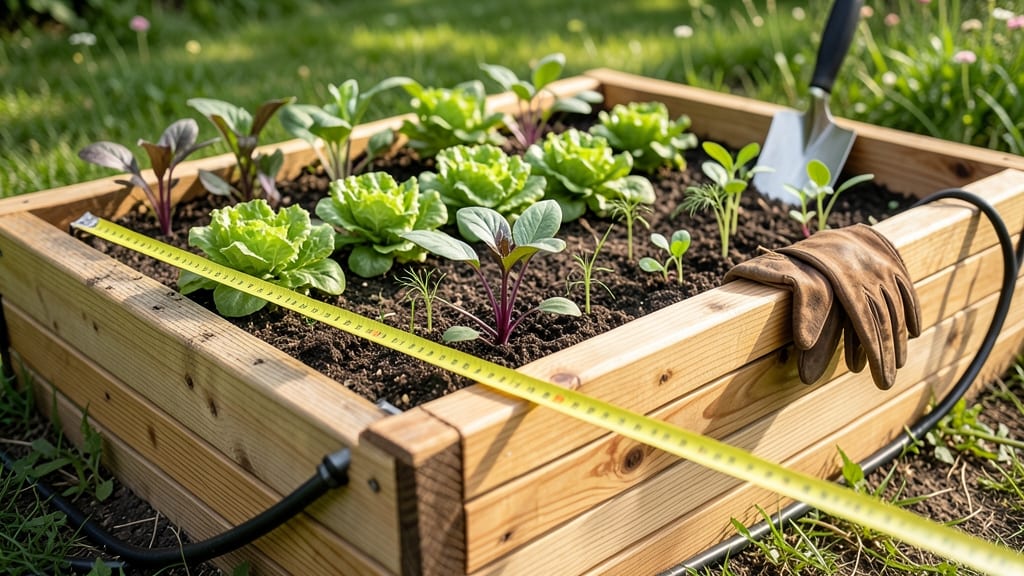
The ideal garden bed width makes all the difference between a thriving plot and one that’s hard to reach or overcrowded.
Picture this: You’re knee-deep in planting season, stretching to grab a seedling at the back of a 4-foot-wide bed—only to realize you’ve wasted precious space on a walkway instead of growing more.
That’s why getting the width right isn’t just about looks; it’s about efficiency, plant health, and even your back.
Too narrow, and you’ll struggle with weeds and soil compaction. Too wide, and you’ll spend more time stepping on plants than tending to them. The sweet spot? A balance that keeps your 🌱 garden accessible, productive, and easy on your joints.
In this guide, I’ll break down the science behind optimal widths, how to adjust for different plants, and why 3-4 feet is the gold standard for most home gardens.
Optimal garden bed width for plant spacing and growth
Designing your garden bed width isn't just about fitting plants—it's about creating an ecosystem where sunlight, soil health, and plant spacing work together. Research shows that beds between 3-4 feet wide maximize growth while keeping maintenance manageable.
This range balances root competition with accessibility, letting sunlight reach all plants without overcrowding.
For raised beds, this width prevents soil compaction from foot traffic while allowing easy reach from all sides. In-ground beds benefit similarly, though wider options (up to 6 feet) work if you're willing to step inside occasionally.
The key is avoiding widths that force you to trample plants or create shady microclimates in the center.
| Bed Type | Optimal Width | Key Benefits | Best For |
|---|---|---|---|
| Raised Beds | 3-4 feet | Minimizes soil compaction, improves drainage, easy access | Vegetables, herbs, flowers |
| In-Ground Beds | 3-6 feet | Maximizes space, reduces path needs, good for large plants | Corn, sunflowers, tall perennials |
| Keyhole Beds | 2-3 feet | Circular design, central compost access, water-efficient | Small gardens, urban spaces |
| Vertical Beds | 2-4 feet (depth) | Saves ground space, good airflow, ideal for climbers | Pole beans, cucumbers, grapes |
When planning your garden bed width, consider the mature size of your plants. For example, tomatoes and peppers thrive in 3-foot-wide beds with 18-24 inches between plants, while leafy greens like lettuce can handle closer spacing in narrower beds.
Herbs like basil and cilantro prefer 2-foot-wide beds to prevent overcrowding and disease.
For raised beds, the 3-4 foot width aligns perfectly with the recommended reach distance of 2-3 feet from the center. This means you can comfortably tend to plants on all sides without stepping inside, which helps preserve soil structure.
In-ground beds can stretch wider, but remember that walkways should be at least 2 feet wide for easy access with tools or wheelbarrows.
Soil quality also plays a role—wider beds may require more amendments to ensure even moisture and nutrients. For example, a 4-foot-wide bed might need compost mixed into the top 12 inches to prevent nutrient depletion in the center.
Test your soil before committing to a width, especially if you're growing heavy feeders like squash or broccoli.
Don’t overlook the sunlight angle when choosing width. In northern climates, beds wider than 4 feet can create shade in the center during summer solstice, while southern climates may handle slightly wider beds due to higher sun angles.
Use a sunlight calculator or observe your yard’s light patterns before finalizing dimensions.
For urban gardens or small spaces, narrower beds (2-3 feet) work beautifully with intensive planting techniques. These allow you to grow more per square foot while keeping maintenance simple. Pair them with vertical supports for climbing plants to maximize vertical space without widening the bed.
Pro tip: If you're unsure about width, start with 3-foot beds—they’re the goldilocks zone for most gardens. You can always expand later by adding adjacent beds or extending existing ones. Just remember to leave 12-18 inches between beds for airflow and weed control.
Finally, consider your gardening style. Companion planting often works best in narrower beds (2-3 feet) where plants can interact closely, while monoculture rows (like potatoes) may need wider beds (4-6 feet) for proper spacing.
Experiment with small sections first to see what works best for your plants and your hands!
How garden bed width affects accessibility and productivity
Choosing the right garden bed width isn’t just about fitting plants—it’s about making your gardening life easier. A bed that’s too wide forces you to step on soil, compacting roots and inviting weeds. Meanwhile, beds that are too narrow waste space and limit your planting options.
The ideal width balances accessibility, productivity, and plant health, ensuring you can reach every corner without sacrificing growth.
For most gardeners, a 3-4 foot width strikes the perfect balance. This range lets you stand comfortably while reaching the center without stepping on the bed. It also maximizes sunlight exposure for all plants, reducing competition for light.
Whether you’re growing tomatoes, carrots, or herbs, this width ensures even growth and easier maintenance.
Narrow Beds (2-3 ft)
- Easier access: Reach center without stepping
- Better for small spaces: Fits urban gardens
- Less soil compaction: Minimal foot traffic
- Limited planting: Fewer rows per bed
- More beds needed: Increases material costs
- Weed pressure: Edges dry faster
Wide Beds (4-6 ft)
- Maximizes space: More plants per square foot
- Reduces borders: Less wasted area
- Better for companion planting: Groups plants efficiently
- Harder to reach center: Requires stepping
- More soil compaction: Foot traffic damages roots
- Weed control challenges: Harder to monitor edges
If you’re practicing intensive planting or companion planting, wider beds (4-6 feet) make sense. They let you grow more vegetables or flowers in the same space while reducing the amount of pathway needed.
However, this comes with trade-offs: wider beds require more effort to maintain, especially for weed control and soil quality in the center.
For raised beds, a 4-foot width is ideal—it’s wide enough for most plants but narrow enough to avoid stepping. If you’re working with in-ground beds, consider adding boardwalks or gravel paths every 3-4 feet to prevent soil compaction. This keeps your garden accessible while protecting plant roots.
Weed control is another critical factor. Narrower beds (2-3 feet) dry out faster at the edges, creating prime real estate for weeds. Wider beds, on the other hand, can become weed magnets if you can’t reach the center easily.
My solution? Use mulch generously and plant cover crops like clover to smother weeds naturally.
Ultimately, the best garden bed width depends on your gardening style. If you prioritize ease of maintenance, narrower beds win. If you’re aiming for maximum productivity in limited space, wider beds are the way to go.
Experiment with both to see what works best for your yard size and planting goals.