
Tools
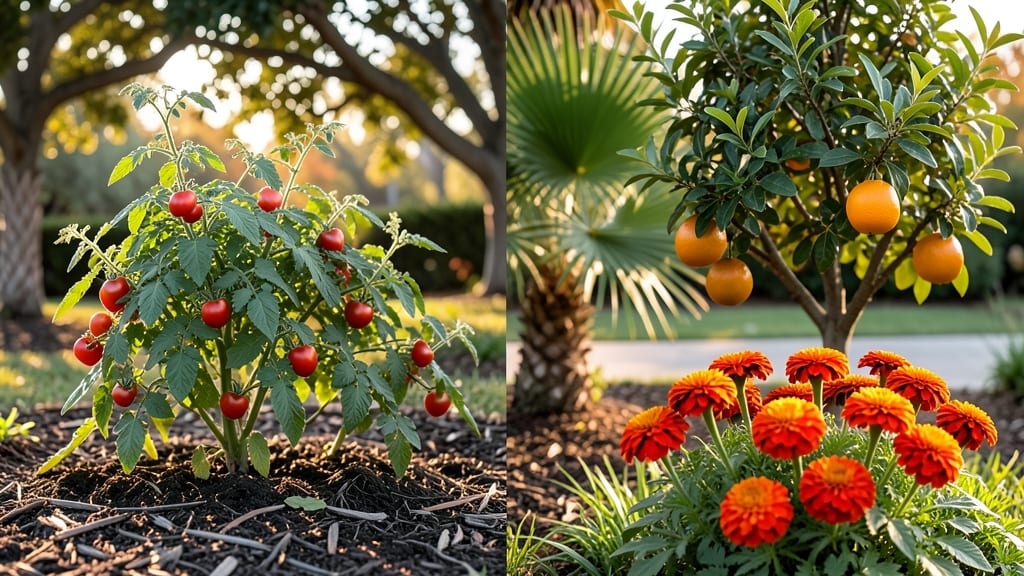
A garden calendar for Zone 9 organizes planting and harvesting schedules year-round, taking advantage of frost-free winters to grow both warm-season crops like tomatoes and peppers and cool-season vegetables like kale and lettuce.
A garden calendar for Zone 9 works because this region's mild winters and hot summers create unique growing opportunities.
Unlike colder zones, you can plant cool-season crops in winter and still enjoy summer harvests without worrying about frost damage. 🌱 I've found that starting warm-season crops like basil and cucumbers in early spring and extending the season with shade cloth in summer keeps yields consistent.
The key is matching plant needs to your microclimate—some areas might handle citrus trees year-round while others need winter protection.
This extended growing season also means you can practice succession planting—replacing harvested crops with new ones every few weeks. For example, after harvesting early peas in spring, you can plant beans or corn in their place.
The calendar helps track these rotations while accounting for soil temperature changes, which affect seed germination times. Many Zone 9 gardeners also take advantage of fall planting for winter greens, knowing they'll have fresh harvests before spring crops are ready.
💡 In This Article
- Understanding Zone 9 Climate and Planting Seasons
- Monthly Zone 9 Gardening Checklist by Plant Type
Understanding Zone 9 climate and planting seasons
Zone 9's frost-free climate is what makes it unique among gardening regions. Unlike colder zones that experience hard freezes, Zone 9 typically sees average low temperatures between 30-40°F in winter, with rare dips below freezing.
This means warm-season crops like tomatoes and peppers can often be planted directly in the soil by late winter or early spring, while cool-season crops like kale and broccoli thrive in the mild winters.
The USDA defines Zone 9 as having 25-30 frost-free days per year, but many sub-regions (like coastal areas) experience even fewer frost events.
The key factor is how plants respond to temperature ranges. Warm-season crops need soil temperatures above 60°F to germinate, while cool-season crops can handle cooler soils.
In Zone 9, you can start warm-season crops like eggplants in February when soil temperatures reach 65°F, while cool-season crops like spinach can be planted in December when daytime highs are 70°F but nights stay above 40°F.
This overlapping window creates opportunities for year-round production that other zones can't match. 🌡️
Microclimates play a huge role in Zone 9 gardening. A south-facing slope might warm up 5-10°F faster than a shaded valley, allowing earlier planting of heat-loving crops. Coastal areas benefit from ocean breezes that moderate temperatures, while inland regions can experience more extreme heat.
I've seen citrus trees thrive in coastal Zone 9 gardens where they'd struggle in inland areas due to summer heat spikes above 100°F. Understanding these variations helps you choose the right location for each plant type.
Heat tolerance becomes critical during summer months. Many warm-season crops (like okra and sweet potatoes) actually prefer the 90-100°F range that Zone 9 summers provide, while others (like basil) may need afternoon shade when temperatures exceed 85°F.
The calendar helps track these heat thresholds by month, suggesting when to provide shade or irrigation to prevent stress. For example, tomatoes planted in June might need drip irrigation during peak heat to maintain soil moisture and prevent blossom-end rot.
Another important consideration is how winter temperatures affect evergreen plants. While most Zone 9 gardens don't experience freezing temperatures, some areas might see brief cold snaps. Citrus trees, for instance, can handle 28°F for short periods but may need winter protection when temperatures drop below 30°F.
The calendar accounts for these variations by suggesting protective measures like frost cloth or mulch during potential cold snaps, even in mild winters.
What most people don't realize is how humidity affects planting schedules. Zone 9's coastal areas often have higher humidity (70-80%) which can promote fungal diseases in warm weather. The calendar includes notes about spacing plants properly to improve air circulation and choosing disease-resistant varieties.
For example, while you might plant tomatoes every 18 inches in inland areas, coastal gardeners might space them 24 inches apart to prevent fungal issues. 🌿