Vegetables
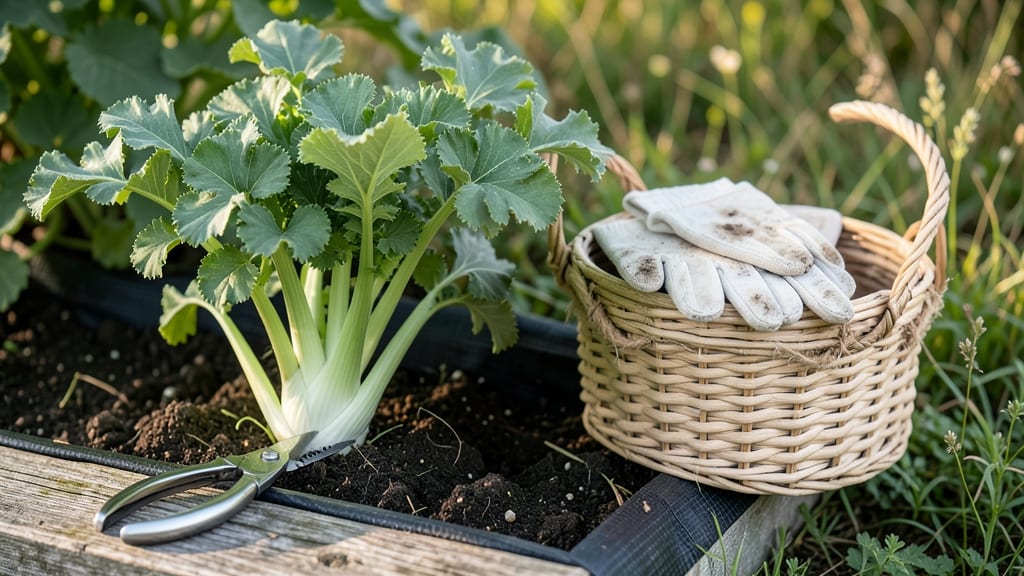
Harvesting garden celery at the right time ensures crisp, flavorful stalks while keeping your 🥬 plant productive for months.
If you've ever cut into a celery stalk only to find it woody or hollow, you know timing is everything. But here's the good news: with a few simple checks—like stalk thickness and leaf color—you can harvest celery repeatedly without sacrificing future growth.
Most gardeners wait until stalks reach 12-18 inches tall and feel firm to the touch, but there are other clues too. Outer leaves turning yellow or a hollow center are signs you've waited too long, while dark green, tightly packed stalks mean it's prime time.
In this guide, I’ll walk you through the exact steps to harvest celery for regrowth, including how often to cut, what tools to use, and how to care for your plant afterward. By the end, you’ll know exactly when to snip for the best flavor—and the best second harvest.
When to harvest celery stems for optimal regrowth
Timing your celery harvest correctly is key to enjoying fresh stalks while encouraging your plant to produce more. Unlike many vegetables, celery can regrow after proper cutting, but only if you harvest at the right maturity stage.
The ideal time to cut stems is when they reach 12-18 inches tall with tightly clustered, firm stalks.
Look for dark green leaves and crisp texture as visual cues. Overlooking these signs can lead to bitter, stringy stalks or weakened regrowth. Seasonal timing also matters—spring and fall harvests yield the best results, aligning with cooler temperatures that celery prefers.
Here’s a quick reference to help you identify the perfect moment:
| Maturity Stage | Stalk Height | Leaf Color | Stalk Texture | Best Season |
|---|---|---|---|---|
| Early Harvest | 8-12 inches | Light green | Soft, thin | Spring/Fall |
| Ideal Harvest | 12-18 inches | Dark green | Firm, crisp | Spring/Fall |
| Overripe | 18+ inches | Yellowing | Stringy, hollow | Late Fall |
For optimal regrowth, avoid cutting more than one-third of the plant at a time. This ensures the remaining stalks have enough energy to recover. Use a sharp knife or pruners to make clean cuts just above a leaf node—this encourages new shoots to sprout from that point.
Seasonal timing plays a huge role. In spring, harvest when stalks reach 12-15 inches between late May and early June. For fall harvests, aim for late September to early October, when cooler weather slows growth and sweetens the flavor.
Watch for outer leaves turning yellow—this signals the plant is redirecting energy to the center stalks. If you wait too long, the core stalks may become tough and woody, making regrowth difficult. A quick pinch test can confirm readiness: gently bend a stalk—if it snaps crisply, it’s harvest-ready.
After cutting, always leave at least 6-8 healthy leaves to photosynthesize and fuel regrowth. Remove any damaged or yellowed leaves to reduce stress on the plant. With proper care, your celery can produce 2-3 harvests per season, extending your homegrown supply well into fall.
If your celery is in partial shade, monitor growth closely—shaded plants may take longer to mature. Supplement with a balanced fertilizer (like 5-10-10) every 4-6 weeks to support vigorous regrowth, but avoid over-fertilizing, which can lead to excessive leafy growth at the expense of stalks.
Finally, store freshly harvested celery in the fridge for up to 10 days to preserve crispness. If regrowth stalls, check for pests like aphids or nutrient deficiencies (like nitrogen or potassium). Adjust care accordingly to keep your celery thriving for multiple harvests.
Step-by-step guide to cutting celery for regrowth
Harvesting celery stems without killing your plant is all about precision. When done correctly, your celery can regrow and produce multiple harvests per season. The key lies in using the right cutting techniques and post-harvest care to encourage strong regrowth.
Start by selecting healthy, mature stalks that are at least 12-18 inches tall—these are ready for your first harvest.
Before you begin, gather your gardening tools. You’ll need a sharp pair of pruning shears or a clean knife to make precise cuts. Avoid using dull tools, as they can crush the stems and invite disease.
Work on a dry, sunny day to minimize stress on the plant and allow any cuts to heal quickly.
Step-by-Step Guide to Cutting Celery Stems
-
Step 1: Select the Right Stalks
Choose outer stalks that are 12-18 inches tall and tightly clustered. Avoid cutting the innermost stalks, as these are critical for regrowth.
-
Step 2: Sterilize Your Tools
Wipe your pruning shears or knife with rubbing alcohol to prevent spreading disease. Clean tools ensure a healthy cut and reduce the risk of infection.
-
Step 3: Make a Clean Cut
Cut the stalk at a 45-degree angle, about 1-2 inches above the base. This angle helps water run off and prevents rot. Avoid cutting too close to the center.
-
Step 4: Leave the Inner Core Intact
Never remove more than one-third of the stalks at once. The central stalks must remain to support regrowth. This ensures the plant can recover and produce new shoots.
-
Step 5: Apply a Natural Healing Agent
Dust the cut area with cinnamon powder or crushed charcoal to prevent bacterial growth. This step is optional but highly effective for speedy healing.
-
Step 6: Water Thoroughly After Cutting
Give your celery plant 1-2 inches of water immediately after harvesting. This helps the plant recover and encourages new shoot growth from the remaining stalks.
-
Step 7: Monitor for Regrowth
Check for new shoots within 2-3 weeks. If the plant looks stressed, provide light fertilization with a balanced 5-10-10 mix to support recovery.
If you notice the plant struggling after cutting, it might be due to over-harvesting or poor healing conditions. Common mistakes include cutting too many stalks at once or ignoring the plant’s need for consistent moisture.
Always leave at least half the stalks intact to ensure the plant can regenerate.
With proper care, your celery plant can produce multiple harvests over the growing season. After the first regrowth, you can repeat the process, but space out harvests by at least 4-6 weeks to allow the plant to recover fully.
Keep an eye on the leaf color and stalk firmness—healthy regrowth will show as dark green leaves and thick, crisp stalks.
For best results, harvest in the morning when the plant is hydrated and the cuts will heal fastest. Avoid harvesting during hot afternoons or rainy periods, as these conditions slow recovery. With patience and the right techniques, you’ll enjoy a bountiful celery harvest all season long!