
Landscaping
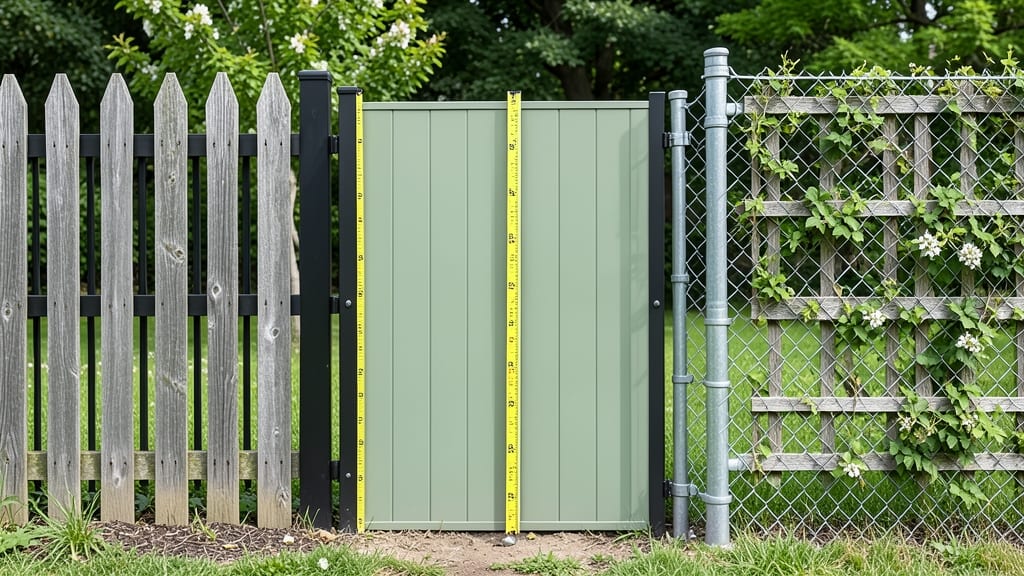
Garden fence height requirements depend on your location, with most residential areas allowing between 4 and 6 feet, though some permit up to 8 feet for privacy. Always verify local zoning regulations before building to prevent costly removals or fines.
Local regulations exist primarily to balance privacy needs with neighborhood aesthetics and safety.
Many municipalities enforce these limits through HOAs or county-specific codes, where exceeding the height can trigger violations. 🌳 For example, suburban areas might cap fences at 6 feet, while rural properties may allow taller designs—especially for agricultural or decorative purposes.
Checking with your local building department ensures compliance while giving you peace of mind.
If you're aiming for more privacy without breaking height rules, consider adding lattice panels or semi-transparent screens to existing fences. Climbing plants like ivy or jasmine can also create natural barriers while keeping the structure within legal limits.
These solutions often provide the same visual and acoustic privacy benefits without the risk of fines.
💡 In This Article
- Local Zoning Laws Affecting Garden Fence Heights
- Privacy Solutions for Tall Garden Fences
Local zoning laws affecting garden fence heights
Height restrictions on garden fences exist primarily to balance neighborhood aesthetics, property values, and safety concerns. Most municipalities enforce these limits through HOAs (Homeowners Associations) or county-specific zoning ordinances, where exceeding the maximum height can trigger violations.
For example, suburban areas often cap residential fences at 6 feet, while rural zones may allow 8 feet for agricultural or decorative purposes. These rules prevent visual clutter and maintain neighborhood harmony while still permitting functional privacy solutions. 🌳
The science behind these regulations involves visual impact studies—taller fences can obstruct views, reduce sunlight exposure for neighboring properties, and even affect emergency vehicle access. Cities like Los Angeles enforce strict 6-foot limits for front fences, while counties in Texas may permit 7-8 feet for privacy.
HOAs often have even stricter guidelines, sometimes requiring pre-approval for any fence taller than 4 feet. Violations can result in fines ranging from $250 to $1,000+, depending on the locality.
Exceptions often apply for agricultural fences (like those for livestock) or decorative elements such as trellises and pergolas, which may be allowed to exceed standard heights. Some areas also permit semi-transparent fencing (like bamboo or vinyl screens) that provides privacy without the same visual obstruction as solid wood or metal.
Always verify with your local building department, as codes can vary even between neighboring towns. 📜
Understanding these laws helps homeowners avoid costly mistakes. For instance, a 6-foot fence might be legal in one part of a city but violate HOA rules just a few blocks away. Municipalities often provide zoning maps online, where you can input your address to see specific height restrictions.
Proactive research ensures your fence project complies with regulations while meeting your privacy and security needs.
Another key factor is the material type. Chain-link fences, for example, are often restricted to 6 feet in many areas, while wood or vinyl fences might have different allowances. Some communities also require setback rules, mandating that fences cannot be placed within a certain distance from property lines.
These nuances highlight why consulting local ordinances is essential before breaking ground. 🏡
For those living in rural areas, taller fences (up to 8 feet) are more common due to larger property sizes and lower population density. In contrast, urban environments prioritize pedestrian safety and fire access, often enforcing stricter height limits.
This geographical variation means there’s no one-size-fits-all answer—always dig into your local regulations before planning. 🌆
If you're unsure where to start, your city’s building department or planning commission can provide a copy of the zoning code. Many also offer pre-application meetings to discuss your project and avoid surprises later.
Taking this step saves time, money, and stress while ensuring your fence meets all legal requirements. 💡