
Fertilization
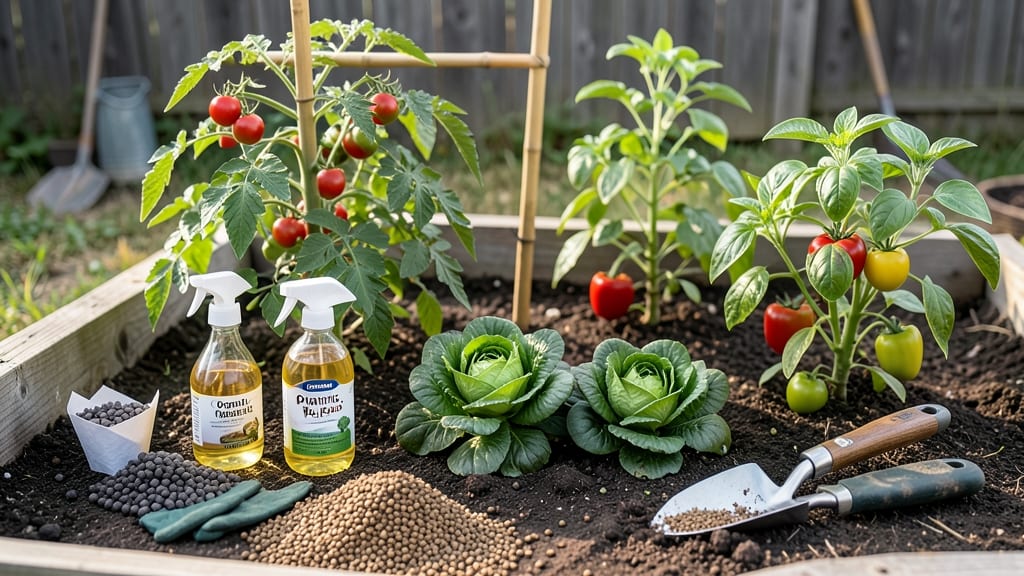
Reviews of garden fertilizers for 2024 show that the best products vary by plant type—organic options like compost or fish emulsion work exceptionally well for vegetables, while timed-release granules deliver consistent results for flowering plants and lawns. Soil testing to determine NPK ratios is essential for maximizing plant health.
Choosing the right fertilizer depends on what your garden needs most. 🌱 Organic fertilizers like compost or worm castings break down slowly, feeding plants over time and improving soil structure, while synthetic options provide immediate nutrient boosts.
I've found that vegetable gardens often thrive with organic blends because they support microbial life in the soil, but flowering plants and lawns benefit more from controlled-release formulas that maintain steady nutrient levels.
The key is matching the fertilizer's nutrient profile to your plants' growth stages—leafy greens need more nitrogen early on, while bloomers require higher phosphorus levels.
Another critical factor is soil pH, which affects how plants absorb nutrients. For example, acid-loving plants like blueberries need fertilizers with lower pH levels, while vegetables like tomatoes prefer slightly acidic to neutral soil.
Always check your soil's pH before applying fertilizer, as this can make or break your gardening success. 💫
💡 In This Article
- How to Choose Fertilizers Based on Plant Nutrient Needs
- Top-Rated Organic and Synthetic Fertilizers for Different Gardens
How to choose fertilizers based on plant nutrient needs
The science behind fertilizers starts with understanding NPK ratios—the three primary nutrients plants need. Nitrogen (N) fuels leafy growth, phosphorus (P) supports root and flower development, and potassium (K) strengthens disease resistance.
For example, a 10-10-10 fertilizer provides equal parts of all three, while a 30-10-10 blend prioritizes nitrogen for leafy vegetables like lettuce. The ratios should match your plants' current growth stage—young plants need more nitrogen, while blooming flowers require higher phosphorus.
Soil pH dramatically affects nutrient absorption. Most vegetables thrive in slightly acidic to neutral soil (pH 6.0-7.0), but blueberries demand acidic conditions (pH 4.5-5.5).
If your soil is too alkaline, even a perfectly balanced fertilizer won't work because plants can't access nutrients like iron or manganese. 🌱 Organic fertilizers often improve soil structure over time, while synthetic options provide immediate but short-term boosts.
For instance, compost slowly releases nutrients while also enhancing soil microbial activity, which is why organic gardeners swear by it for long-term health.
Release mechanisms matter too. Quick-release fertilizers (like liquid fish emulsion) feed plants immediately but require frequent applications, while slow-release granules (like Osmocote) provide steady nutrition over 3-6 months. The difference lies in how the fertilizer breaks down: organic materials decompose naturally, while synthetic polymers dissolve at controlled rates.
For container plants, slow-release options are ideal because they prevent nutrient runoff and maintain consistent growth without constant monitoring.
Micronutrients often get overlooked, but they're crucial for plant health. Elements like calcium, magnesium, and zinc—found in chelated forms or seaweed extracts—prevent deficiencies that manifest as yellowing leaves or stunted growth.
For instance, tomatoes often suffer from blossom end rot due to calcium deficiency, which can be prevented with a fertilizer containing 0.5-1% calcium. Always check the label for micronutrient content, especially when growing high-demand crops like peppers or eggplants.
Seasonal needs also dictate fertilizer choices. Early spring calls for nitrogen-rich fertilizers to kickstart growth, while late summer benefits from phosphorus-heavy blends to support flowering and fruiting. For example, a 5-10-10 fertilizer in spring helps establish roots, but switching to a 10-20-20 blend in summer promotes blooms.
The key is adapting your approach based on what your plants are actively doing—growth, flowering, or fruiting—rather than using a one-size-fits-all product.