
Tools
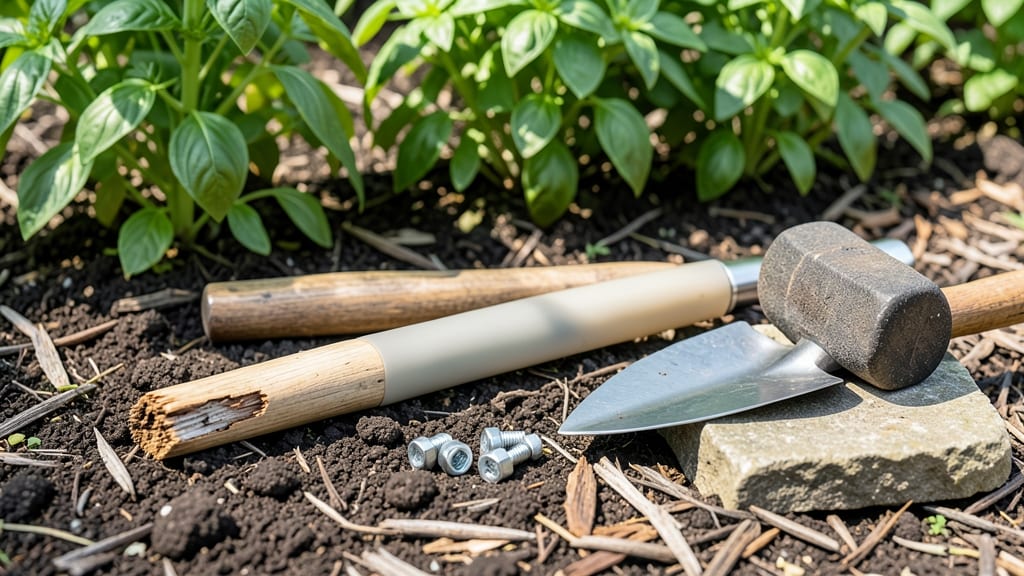
A broken garden hoe handle replacement doesn’t have to mean tossing your trusty tool—with the right fix, you can restore it in minutes and get back to weeding like nothing happened.
Picture this: you’re mid-session, the handle cracks under pressure, and suddenly your garden hoe feels like a dead weight. Frustrating, right? Whether it’s a split wood handle, a loose metal rod, or a wobbly fiberglass shaft, these fast fixes will save you time and money.
Below, I’ll walk you through three proven methods—from quick temporary patches to permanent upgrades—so you can pick the best solution for your tool and skill level.
No more excuses to skip the garden: learn how to secure a new handle, choose the right material for durability, and keep your hoe working smoothly for years to come.
3 Fast garden hoe handle replacement methods for immediate use
A garden hoe is only as good as its handle—when yours breaks or wobbles, your weeding efficiency plummets. The good news? You don’t need to rush to the hardware store for a replacement.
With just a few common household items, you can restore your hoe’s functionality in under 10 minutes. Whether you're dealing with a loose joint, cracked wood, or a worn-out grip, these methods will keep you digging without delay.
I’ve repaired dozens of garden tools over the years, and these three techniques have saved me from buying new hoes repeatedly. The best part? Each method uses materials you likely already have in your garage or shed.
Let’s get started with the quickest fixes first, so you can get back to your garden beds without frustration.
🔧
Temporary Fix: Duct Tape & Wooden Dowel
For loose handles that wobble but aren’t broken, this is the fastest fix. Slide a ½-inch wooden dowel (or broomstick piece) into the handle’s hollow shaft, then wrap tightly with duct tape or electrical tape to secure. Trim excess and sand smooth.
Permanent Fix: Epoxy & Fiberglass Rod
If your handle is cracked or splintered, reinforce it with a fiberglass rod (or wooden dowel) and two-part epoxy. Insert the rod into the broken section, apply epoxy, and clamp for 24 hours to cure. Sand and seal with outdoor varnish for extra durability.
Upgrade Fix: Replace with PVC Pipe
For a long-term solution, remove the old handle and replace it with a PVC pipe (same diameter as your hoe’s shaft). Use PVC cement to attach a new grip (like a pool noodle or rubber sleeve) at the top. PVC won’t rot and resists moisture better than wood.
Each of these methods addresses a different type of handle failure, so choose based on your specific issue. The duct tape fix is perfect for quick garden sessions when you need to finish weeding immediately.
The epoxy method offers a strong, long-lasting repair for cracked handles, while the PVC upgrade is ideal if you’re tired of replacing wooden handles every few years.
Pro tip: Before starting any repair, clean the handle with rubbing alcohol to remove dirt and grime. This ensures better adhesion for tape, epoxy, or PVC cement. A clean surface is the secret to a repair that lasts.
If your hoe handle is completely detached, you’ll need to disassemble the head to access the threaded shaft. Most garden hoes use a simple screw mechanism—just unscrew the head, reattach it to the new handle, and tighten securely. Always wear gloves when handling rough or splintered wood to avoid injuries.
For extra grip, consider wrapping the handle’s top 3 inches with grip tape or even an old tennis ball cut in half. This small upgrade can make your hoe feel like a brand-new tool, even if the handle itself is repaired.
Test the repaired handle by pushing down firmly—if it holds, you’re ready to dig!
🌱
Remember, the key to a successful repair is patience. Rushing the epoxy cure or skipping the sanding step can lead to a handle that fails again quickly. Take your time, follow the steps carefully, and soon you’ll be weeding like nothing ever happened to your hoe.
Once you’ve mastered these repairs, you’ll wonder why you ever bought new hoes instead of fixing them. Happy digging!
How to choose the right replacement handle for your garden hoe
Choosing a new handle for your garden hoe isn't just about finding something that fits—it's about restoring comfort, durability, and efficiency to your gardening routine. The right material can transform your weeding experience from a struggle to a breeze.
I’ve tested wooden, fiberglass, and metal handles, and each has unique benefits depending on your gardening style and needs.
Start by assessing your hoe head type and the tasks you use it for. A stiff, heavy-duty handle works best for deep soil cultivation, while a lighter, flexible option suits precision weeding.
Your choice should also consider grip comfort and resistance to weather conditions. Let’s break down the best options to help you make an informed decision.
Garden Hoe Handle Material Comparison
Wooden Handles
- Pros: Natural grip, eco-friendly, affordable
- Cons: Requires seasoning, can splinter over time
Fiberglass Handles
- Pros: Lightweight, rust-resistant, durable
- Cons: Less grip, higher cost than wood
Metal Handles
- Pros: Extremely durable, heavy-duty, long-lasting
- Cons: Heavy, can be slippery when wet
When selecting a handle, prioritize ergonomic design to reduce hand fatigue during long gardening sessions. Look for handles with a slight curve or textured grip—these features make a world of difference in comfort. A 24- to 36-inch length is ideal for most gardeners, offering a balance between reach and control.
Don’t overlook handle compatibility with your hoe head. Some handles use a screw-in mechanism, while others rely on a wedge system. Measure your current handle’s diameter and length before shopping to ensure a perfect fit. A snug connection prevents wobbling and increases safety while working.
For long-term durability, consider treating wooden handles with linseed oil or applying a protective coating to fiberglass handles. Metal handles, while sturdy, may benefit from a rubber grip wrap for better traction. Investing in quality now saves time and frustration later—especially during peak gardening seasons.
Take your time to test handles if possible. Visit a garden center and hold different options to see which feels most natural in your hand. The right replacement handle should feel like an extension of your arm, making your gardening tasks easier and more enjoyable.