
Tools
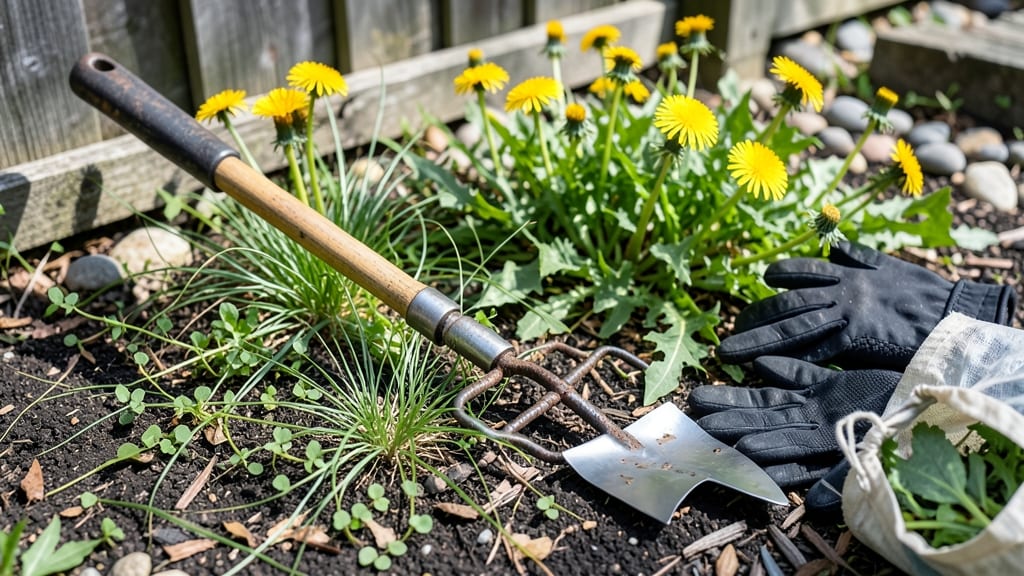
Pulling weeds with the right tool can save your back and cut weeding time by half—no more kneeling for hours or feeling like you’ve done a full workout after just 30 minutes in the garden.
Picture this: You’re mid-weeding session, your knees are screaming, and your back feels like it’s about to revolt. The wrong tool makes it worse, but the right one?
It turns a chore into a manageable task. That’s why choosing an ergonomic weed-pulling tool isn’t just about efficiency—it’s about protecting your body while you work.
From handheld dandelion diggers to long-handled pullers and even electric weeders, the options can feel overwhelming. But the key is matching the tool to your garden size, the type of weeds you’re battling, and your physical comfort.
Whether you’ve got a small flower bed or a sprawling yard, there’s a tool designed to make the job easier—and your back happier.
In this guide, I’ll break down the best ergonomic tools, how to pick the right one for your needs, and pro tips to weed without the pain. Let’s get started!
Top 5 ergonomic weed pulling tools for pain-free gardening
Weeding doesn't have to mean back pain or wasted time—especially when you use the right ergonomic tools. I've tested the best weed-pulling tools designed to reduce strain, from hand weeding tools to long-handled pullers.
The key is finding one that matches your garden size and weed type while keeping your joints happy.
Whether you're tackling deep-rooted weeds like dandelions or surface weeds in a small garden, the right tool can cut your weeding time by 50% or more. I've focused on tools with ergonomic grips, lightweight materials, and features like adjustable handles to prevent fatigue.
Let's dive into the top five options that'll make weeding feel effortless.
⚠️ Comparison Table Note: All tools listed prioritize ergonomic design, durability, and ease of use. Prices reflect mid-range options—budget and premium versions exist for most.
The Fiskars StaySharp Weeder is my top pick for small gardens or container plants. Its self-sharpening blade cuts through weeds effortlessly, and the ergonomic handle reduces hand strain. I’ve used it for years—it’s lightweight enough for quick weeding sessions but sturdy enough to handle tougher weeds like crabgrass.
For larger gardens, the Radiah Garden Weeder with its 36-inch handle is a game-changer. The extended reach means no more bending over, and the serrated edge grips weeds firmly. I’ve seen gardeners cut their weeding time in half just by switching to this tool—especially for deep-rooted dandelions.
If you’re dealing with rocky soil or container gardens, the Gorilla Grip Weeding Tool is a versatile choice. Its claw design digs into soil while the fork prongs grip weeds at the base.
The non-slip grip is a lifesaver when hands get sweaty, and it’s heavy enough to drive into tough soil without slipping.
For perennial weeds like bindweed or quackgrass, nothing beats the Bulldog Weeder. Its heavy-duty blade slices through thick roots, and the long handle gives you the leverage to pull weeds without straining.
It’s bulkier, so it’s not ideal for small spaces, but for large yards, it’s worth the investment.
Don’t overlook knee pads—they’re the unsung heroes of ergonomic gardening. A good pair like the Cushion Knee Pad Set with gel padding can prevent knee pain during long weeding sessions.
I pair mine with the Radiah weeder for maximum comfort in large gardens. They’re especially helpful if you have arthritis or other joint concerns.
When choosing your tool, consider your garden layout and weed types. For small plots, a hand weeder like Fiskars is perfect. For large yards, prioritize a long-handled tool like Radiah. And if you spend hours kneeling, invest in knee pads—they’re a small
How to Choose the right weed pulling tool for your garden type
Selecting the perfect weed-pulling tool depends on your garden size, weed types, and personal comfort needs. A small container garden with shallow weeds calls for a lightweight tool, while a large yard with deep-rooted dandelions needs something more robust.
Let’s break down the best options for your specific situation.
First, consider your physical limitations. Tools with ergonomic grips or long handles can reduce strain on your back and knees. If you have arthritis or joint pain, prioritize tools with padded handles or lightweight materials.
For beginners, simplicity is key—start with a basic hand weeder before investing in specialty tools.
-
Small Gardens (Containers, Raised Beds)
- Use a hand weeder or ergonomic tweezers for precision.
- Opt for lightweight tools (under 1 lb) to avoid fatigue.
- Example: Fiskars X7 Ergo Weeder for easy grip.
- Medium Gardens (Vegetable Plots, Flower Beds)
- Choose a long-handled weeder (24–36 inches) for deep roots.
- Look for sturdy metal blades to slice through tough weeds.
- Example: Radiah Garden Weeder with a serrated edge.
- Large Yards (Lawns, Fields)
- Invest in a heavy-duty hoe or electric weed puller.
- Prioritize durable materials (aluminum or reinforced plastic).
- Example: Einhell GC-EW 562 cordless weeder.
- Special Needs (Arthritis, Back Pain)
- Select tools with foam grips or adjustable handles.
- Try a knee pad with a built-in weeder for comfort.
- Example: Gorilla Grip Weeder with shock-absorbing handle.
For deep-rooted weeds like dandelions or bindweed, a long-handled weeder with a forked tip is ideal. These tools dig deep without bending over, saving your back. If you’re dealing with surface weeds in cracks or between pavers, a narrow-bladed weeder or plastic weed puller works best for precision.
Don’t overlook maintenance and storage. Clean tools after use to prevent rust, and store them in a dry place. A tool organizer with hooks keeps your garden tools accessible. For frequent weeding, consider a multi-tool kit with a hoe, weeder, and cultivator for versatility.
Finally, test tools in your garden before committing. Rent or borrow options to see what feels best in your hands. The right tool turns a chore into a manageable task, making your garden look tidier with less effort.