
Fertilization
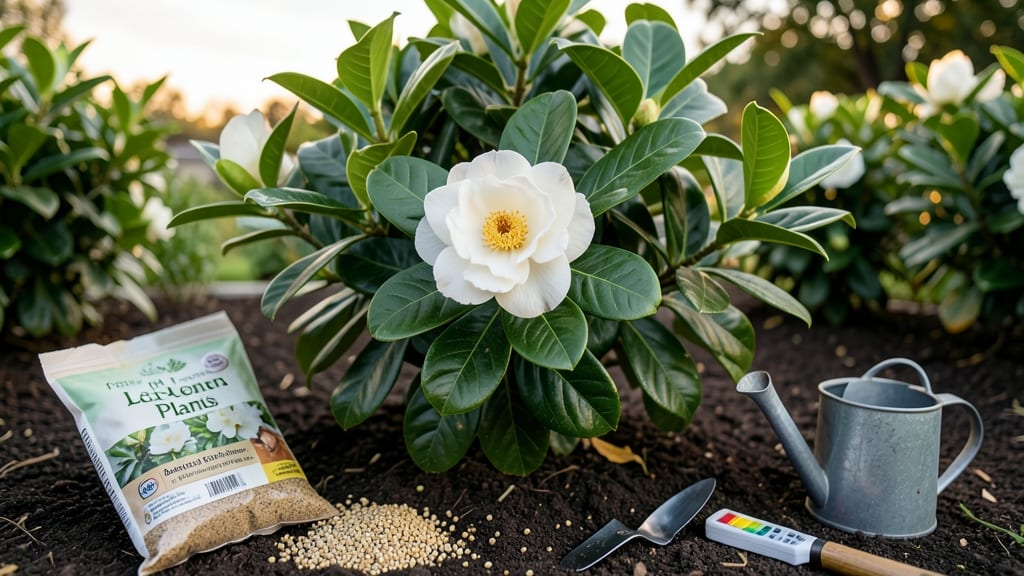
To grow gardenias with fragrant blooms, the right fertilizer ratio is everything—think of it as the difference between a sparse shrub and one covered in creamy-white 🌸 flowers.
Most gardeners overdo nitrogen, thinking it’ll boost growth, only to end up with lush leaves and no blooms. The secret? A balanced N-P-K ratio of 6-6-6 or 8-3-9, tailored for acid-loving plants like gardenias.
In this guide, I’ll break down how to mix organic and synthetic fertilizers, adjust ratios for your climate, and spot the signs of over- or under-feeding—so your gardenias reward you with abundant fragrance all season.
You’ll learn when to feed (spring and summer only), how much to use, and even how to fix yellowing leaves or stunted growth with simple tweaks.
Optimal gardenia fertilizer ratio: N-P-K explained for peak blooms
Gardenia plants thrive when their fertilizer ratio aligns with their natural needs—especially their love for phosphorus to fuel blooms. The perfect N-P-K ratio for gardenias is typically 6-6-6 or 8-3-9, but understanding why these numbers matter is key.
Too much nitrogen (N) will give you lush foliage but fewer flowers, while phosphorus (P) is the secret to those fragrant blooms you adore.
Phosphorus is the bloom booster in gardenia fertilizer, helping roots absorb nutrients efficiently. Potassium (K) strengthens stems and improves disease resistance, but it’s phosphorus that directly impacts flower production. A balanced ratio ensures your gardenia doesn’t waste energy on excessive leaf growth at the expense of blossoms.
Reading fertilizer labels can be confusing, but gardenias respond best to balanced blends with slightly higher phosphorus. For example, a 6-6-6 ratio means equal parts nitrogen, phosphorus, and potassium, while 8-3-9 prioritizes potassium for root health but still supports blooms.
Avoid high-nitrogen fertilizers like 10-0-0, which will leave you with leafy monsters instead of fragrant flowers.
Seasonal adjustments are crucial. In spring and early summer, when gardenias are actively growing, feed with a 6-6-6 or 8-3-9 ratio every 4-6 weeks. As summer progresses, switch to a lower-nitrogen formula (like 3-6-6) to encourage blooming over foliage.
In fall and winter, stop fertilizing entirely—your gardenia is resting, not growing.
Over-fertilizing is a common mistake that leads to burned roots and yellow leaves. Always water your gardenia deeply before applying fertilizer to prevent salt buildup in the soil. For potted gardenias, flush the soil with water after feeding to remove excess nutrients.
If you notice leaf scorch or wilting, flush the soil immediately and reduce fertilizer strength by half.
Organic options like compost tea or fish emulsion can provide a gentler nutrient boost, but they require more frequent applications. Synthetic fertilizers like Miracle-Gro Azalea/Camellia are convenient and designed for acid-loving plants, but always check the N-P-K ratio to match your gardenia’s needs.
For example, Miracle-Gro Azalea has a 7-4-4 ratio, which is a great starting point for most gardenias.
To test if your fertilizer ratio is working, observe your gardenia’s growth patterns. Healthy plants should have dark green leaves, firm stems, and plentiful blooms. If you see fewer flowers than leaves, your phosphorus levels might be too low.
Conversely, if your gardenia looks leggy and sparse, it’s likely getting too much nitrogen. Adjust your ratio accordingly and monitor for improvement over the next 6-8 weeks.
Pro tip: Mix a homemade fertilizer tea using banana peels (for potassium) and crushed eggshells (for calcium) to supplement your gardenia’s diet without disrupting the N-P-K balance.
Steep the peels in water for 24 hours, then dilute to a pale yellow color before applying. This DIY approach adds nutrients without the risk of over-fertilization.
Remember, gardenias are acid-loving plants, so always use fertilizers labeled for acidic soils (pH 5.0-6.5). If your soil is too alkaline, your gardenia won’t absorb nutrients efficiently, no matter how perfect the N-P-K ratio is.
Test your soil annually and amend with sulfur or peat moss if needed to maintain the ideal pH.
With the right fertilizer ratio and seasonal care
Step-by-step guide: how to apply gardenia fertilizer with the right ratio
Getting your gardenia fertilizer ratio right transforms your shrub from a struggling underperformer to a fragrant, blooming beauty. The key? Balancing nitrogen (N) for foliage, phosphorus (P) for flowers, and potassium (K) for root strength—without overdoing it.
I’ll walk you through mixing homemade blends, adjusting store-bought formulas, and timing applications to match your gardenia’s seasonal needs.
Start by testing your soil’s pH—gardenia thrives in acidic soil (5.0–6.5). If your soil is alkaline, amend it with sulfur or peat moss before applying fertilizer.
For most gardeners, a 6-6-6 or 8-3-9 ratio works best, but homemade options like banana peels (potassium) or fish emulsion (nitrogen) can fine-tune the mix. Let’s break it down step by step.
🌱 Step-by-Step Gardenia Fertilizer Application
- 🔹 Spring (March–May): Apply a balanced 6-6-6 fertilizer every 4–6 weeks to kickstart growth. Use 1 tbsp per plant or 1 tbsp per sq ft for beds. Water thoroughly after application to prevent root burn.
- 🔹 Summer (June–August): Switch to a lower-nitrogen, higher-phosphorus blend (8-3-9) to encourage blooming. Feed lightly every 6–8 weeks and avoid fertilizing during heatwaves (above 90°F) to reduce stress.
- 🔹 Fall (September–November): Skip fertilizing entirely. Gardenias enter dormancy, and feeding now can promote weak, late-season growth vulnerable to frost damage.
- 🔹 Winter (December–February): Never fertilize. Your plant is resting, and winter feeding can lead to nutrient buildup or even root rot in cold, wet soils.
- 🔹 Homemade Boost: Mix 1 part fish emulsion (nitrogen), 1 part banana peel tea (potassium), and 1 part bone meal (phosphorus) for a DIY 1-1-1 ratio. Apply sparingly—homemade fertilizers are potent!
- 🔹 Store-Bought Adjustments: If using a high-nitrogen lawn fertilizer (e.g., 30-0-4), dilute it 1:3 with water to avoid leafy growth at the expense of flowers.
- 🔹 Post-Bloom Care: After flowers fade, prune spent blooms and apply a light potassium-rich fertilizer (e.g., 0-0-50) to strengthen roots for next year.
One of the biggest mistakes I see is over-fertilizing in winter, which can cause yellowing leaves or even plant death. Gardenias are sensitive to excess salts from fertilizers, so always flush the soil with water after feeding.
For potted gardenias, use half the recommended dose since containers drain faster and concentrate nutrients.
Pro tip: Pair your fertilizer routine with regular mulching (2–3 inches of pine bark) to maintain soil acidity and moisture. Mulch also slows weed growth, reducing competition for nutrients.
With the right ratio and timing, your gardenia will reward you with glossy leaves and clusters of intoxicating blooms from spring through fall.
🌷 Remember, gardenias are slow growers—patience is key. Stick to the seasonal schedule, and you’ll avoid the frustration of sparse blooms or leggy growth. Happy gardening!