
Plants
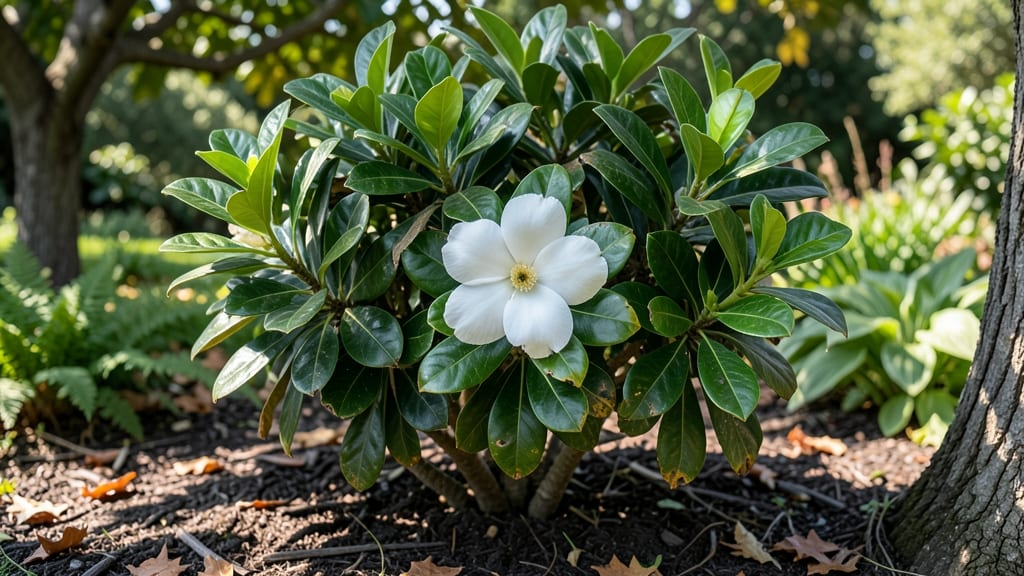
A gardenia plant thrives in partial shade with just a touch of morning sun to fuel those iconic 🌸 blooms—too much direct light burns leaves, while too little dims the fragrance.
Picture this: your gardenia’s glossy leaves start yellowing at the edges, or worse, the buds refuse to open. That’s your plant screaming for the right light balance, and you’re holding the key to fixing it.
Most gardeners assume these tropical beauties need full sun, but in USDA Zone 6a, afternoon rays can scorch foliage while morning light keeps them happy. I’ll show you how to read the signs—leaf scorch, sparse blooms, or even stunted growth—and adjust placement for year-round perfection.
From choosing the right spot to using shade cloth in peak summer, you’ll learn exactly how to give your gardenia the light it craves without the guesswork.
 Best Window Placement
Ideal sunlight conditions for gardenia plants: how much light do they need?
If you’ve ever watched your gardenia plant struggle to bloom or seen its leaves turn crispy under the sun, you’re not alone. These fragrant beauties thrive in partial shade, but their exact needs vary by climate zone.
In tropical zones, they tolerate more sun, while temperate climates often require afternoon shade protection. Understanding these nuances is key to unlocking those coveted white blooms.
Gardenia plants are native to subtropical and tropical regions, where they naturally grow under dappled forest light. This means they need bright, indirect sunlight for most of the day, with protection from harsh afternoon rays.
Too much direct sun leads to leaf scorch, while too little shade results in leaf drop and sparse blooming. Let’s break down the perfect balance for each climate type.
In tropical climates, gardenias can handle slightly more sun—up to 6 hours of filtered light—but even here, afternoon shade prevents leaf scorch. Think of their natural habitat: under tall trees where sunlight filters through leaves.
Use sheer curtains or lattice screens to mimic this effect if growing outdoors.
For subtropical zones, aim for 3-5 hours of morning sun and extend afternoon shade to 3+ hours. This balance encourages blooming while preventing heat stress. If your gardenia is in a container, move it to a shaded patio by midday during peak summer months.
A quick test: If your hand feels too hot to touch the leaves at noon, it’s getting too much sun.
In temperate climates, gardenias often thrive in partial shade gardens with only 2-4 hours of morning sun. Afternoon shade is non-negotiable here—even 1 hour of direct afternoon sun can cause brown leaf tips.
Plant them near east-facing walls or under deciduous trees that provide summer shade. If your gardenia is indoors, place it 2-3 feet from an east-facing window.
Watch for these signs of light stress: Brown, crispy leaves mean too much sun, while yellowing leaves and leaf drop signal underlighting. If you see fewer blooms or smaller flowers, adjust the light gradually—don’t move the plant suddenly, or it’ll shock into leaf loss.
Instead, acclimate over 1-2 weeks by slowly increasing or decreasing exposure.
Pro tip: Use a light meter (or your phone’s light app) to check intensity. Ideal gardenia light reads between 10,000-20,000 lux. If your space gets less than 10,000 lux, supplement with a grow light for 4-6 hours daily.
For outdoor plants, shade cloth (30-50%) is a game-changer in hot climates.
Remember, gardenias reward patience. A well-lit plant with the right sun-to-shade ratio will burst into fragrant blooms from spring to fall. Start with these guidelines, observe your plant’s response, and tweak as needed. Soon, you’ll have a gardenia that’s the star of your garden—or your indoor oasis!
How to adapt gardenias to sun or shade: practical adjustments for healthy growth
Transitioning your gardenia plant between sun and shade requires patience and gradual adjustments. These fragrant shrubs thrive in partial shade but can adapt to more sunlight with proper care. The key is understanding how light intensity affects their leaf health and blooming potential.
If you're moving your gardenia from a shady spot to sunnier conditions—or vice versa—follow these steps to avoid shocking the plant.
Start by assessing your gardenia’s current light exposure. If it’s currently in low-light conditions, moving it to full sun too quickly can cause leaf scorch and stunted growth. Conversely, a gardenia accustomed to bright light may struggle in deep shade, leading to fewer blooms and leggy stems.
The goal is to find that sweet spot where your plant gets morning sun with afternoon shade, especially in hotter climates.
⚠️ WARNING: Sudden Light Changes Can Harm Gardenias ⚠️
For gardenias moving to more sun, begin by placing them in a spot with 2-3 hours of morning sunlight and dappled shade for the rest of the day. Gradually increase their sun exposure by 1 hour per week until they reach their ideal light conditions. Always water deeply after increasing sunlight to help the plant adjust. Mulching with organic matter like compost or bark will also help retain moisture and protect roots from temperature fluctuations.
Pruning plays a crucial role in adapting gardenias to new light conditions. If your plant is overgrown or leggy from too much shade, prune back 1/3 of the growth in early spring. This encourages denser foliage and better bloom production.
Use clean, sharp pruners to make cuts just above a leaf node. Avoid heavy pruning in late summer or fall, as this can stress the plant before winter dormancy.
Seasonal adjustments are equally important. In summer months, gardenias in full sun may need extra care, such as daily watering and afternoon shade during heatwaves. In cooler seasons, they can tolerate more direct sunlight.
Always check the soil moisture—consistently moist but not soggy soil is critical. A simple trick is to stick your finger 1 inch into the soil; if it feels dry, it’s time to water.
Finally, fertilize your gardenia with a balanced, acidic fertilizer (like 10-10-10) every 4-6 weeks during the growing season to support healthy growth. Avoid high-nitrogen fertilizers, which can lead to leafy growth at the expense of blooms.
With these adjustments, your gardenia will thrive whether it’s basking in filtered sun or adapting to shadier conditions. 🌿