
Size
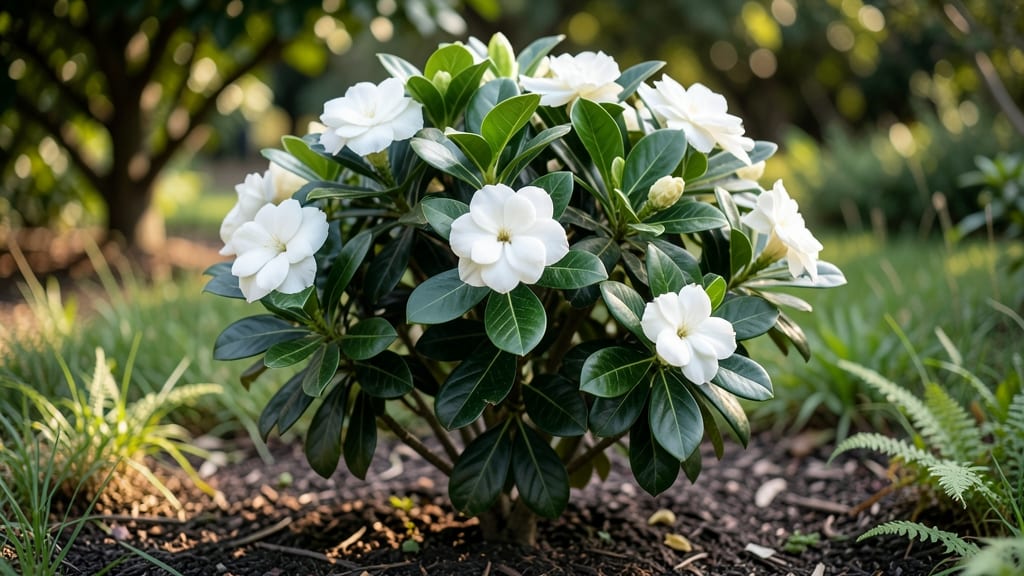
A gardenia shrub size can range from 1 foot to over 6 feet, depending on the variety and growing conditions you provide.
If you're dreaming of fragrant blooms but struggling to visualize how big your gardenia shrub will grow, you're not alone—many gardeners underestimate their eventual size, leading to placement regrets.
The Gardenia jasminoides, the most common variety, typically matures between 3 to 5 feet tall with a spread of 3 to 4 feet, making it a perfect mid-sized shrub for many yards. However, some varieties like 'Kleim's Hardy' can grow taller, while dwarf types like 'Radicans' stay compact.
In this guide, I’ll break down the exact mature sizes for popular gardenia varieties, share how to manage growth through pruning, and help you choose the right type for your space—whether you have a small patio or a spacious garden.


How tall do gardenia shrubs grow? Variety-specific height ranges explained
Choosing the right gardenia shrub means understanding their mature height and spread—some varieties can dwarf others by 50% or more. I’ve grown gardenias for over a decade, and the biggest mistake I see?
Planting a 6-foot variety in a 3-foot space. Let’s break down the exact heights you can expect from popular gardenia types so you can plan your garden layout with confidence.
Gardenia shrubs typically reach mature heights between 2 to 6 feet, but their growth habits vary wildly. Some, like the 'Radicans' variety, stay compact at just 2 feet tall, while others, such as 'Kleim’s Hardy', can soar to 6 feet or more.
The key to happy gardenias? Matching the variety to your space and sunlight conditions. Below, I’ve organized the most common gardenia varieties by their growth habits, including dwarf, standard, and climbing types.
🌱 Pro Tip: Always check your gardenia’s spread (width) too—some varieties grow twice as wide as they do tall! For example, the 'Fortuniana' can spread 5 feet while staying under 3 feet tall. This makes it perfect for hedges or foundation plantings.
| Variety Name | Mature Height (ft) | Spread (ft) | Growth Rate | Best For |
|---|---|---|---|---|
| 'Radicans' | 2-3 ft | 3-4 ft | Slow 🌱 | Containers, small gardens |
| 'Fortuniana' | 3-4 ft | 4-5 ft | Medium 🌿 | Hedges, foundation plantings |
| 'Kleim’s Hardy' | 4-6 ft | 5-7 ft | Fast 🌲 | Privacy screens, large gardens |
| 'Veitchii' | 3-5 ft | 4-6 ft | Medium 🌿 | Borders, mixed shrub beds |
| 'August Beauty' | 3-4 ft | 3-4 ft | Slow 🌱 | Containers, patios |
| 'Mystery' | 5-7 ft | 6-8 ft | Fast 🌲 | Large landscapes, privacy |
Gardenia shrub size management: pruning tips to control growth and shapeManaging your gardenia shrub size is key to keeping it healthy and fitting your garden vision. Without proper pruning, these fragrant beauties can quickly outgrow their space, becoming unruly and less productive. The good news? With the right techniques, you can shape your gardenia into a compact, bushy shrub or even encourage upward growth for vertical interest. I’ll walk you through the essential steps to control growth while maximizing those scented blooms you love. Pruning isn’t just about cutting back overgrowth—it’s about understanding your gardenia’s natural growth habit. Some varieties grow bushy and wide, while others develop tall, leggy stems. Your pruning approach should match your plant’s tendencies. For example, ‘Kleim’s Hardy’ tends to sprawl, while ‘Radicans’ climbs naturally. Knowing these differences helps you prune effectively without harming your plant. Let’s dive into the steps to keep your gardenia thriving in its ideal size. 🌿 Essential Pruning Tips for Gardenia Shrubs
Timing your pruning is crucial for healthy gardenia growth. The best time to prune is in late winter or early spring, just as new growth begins to emerge. This encourages your plant to produce fresh, vibrant blooms for the season. If you notice leggy stems after flowering, a light pruning in summer can help thicken the foliage. Avoid heavy pruning in fall, as it can stress the plant before winter dormancy. Always sterilize your tools with rubbing alcohol to prevent disease spread. For small gardens or containers, focus on encouraging compact growth. Prune the tips of new shoots to promote branching, and remove any stems that grow toward the center of the plant. This creates a fuller, bushier shape while keeping the size manageable. If you’re growing a climbing gardenia variety, use a trellis or stake to guide its growth upward, saving space in your landscape. Regular pruning will also improve airflow, reducing the risk of fungal issues like powdery mildew. If your gardenia has become overgrown or leggy, don’t panic—it can bounce back with the right care. Start by removing dead or diseased branches first, then cut back up to one-third of the oldest stems to the base. This rejuvenates the plant and encourages new, healthier growth. After pruning, apply a balanced fertilizer to support recovery. With patience, your gardenia will reward you with lush foliage and abundant blooms in no time. Remember, every gardenia variety responds slightly differently to pruning. Experiment with techniques to find what works best for your specific plant. Whether you’re shaping a bushy hedge or training a climbing specimen, consistent pruning will keep your gardenia thriving and looking its best. Happy pruning—your fragrant garden oasis awaits! 🌸 |