
Aphids
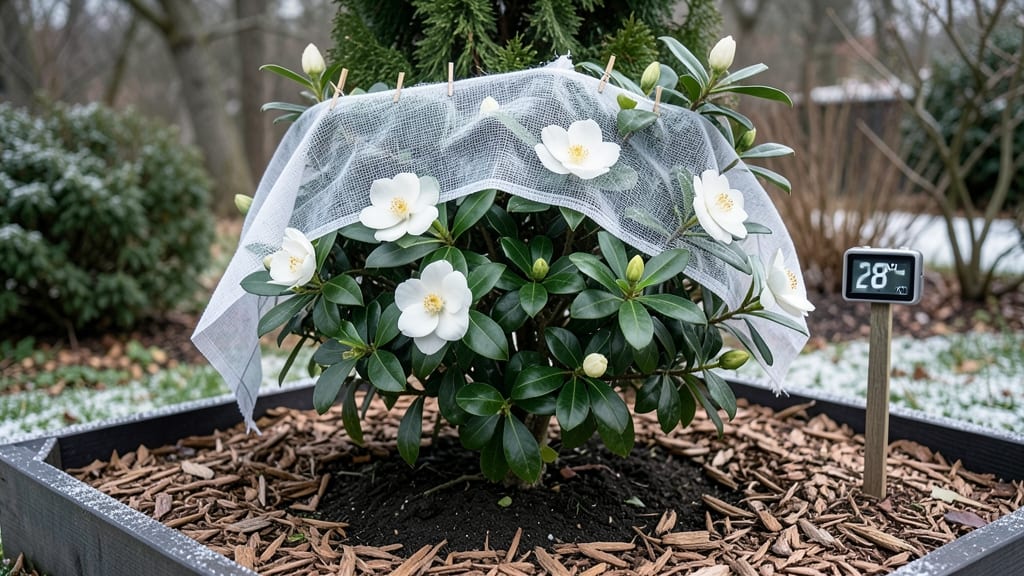
Gardenia plants aren't naturally winter hardy in most climates, thriving primarily in USDA zones 8-11, but with careful winter prep—like heavy mulching, container insulation, and selective pruning—they can endure light freezes in zones 7 and even 6a with extra protection. Opt for cold-tolerant cultivars like 'Kleim’s Hardy' for the best chances of survival.
Most gardenias struggle when temperatures dip below 25°F, as their tender tropical roots and foliage freeze easily. 🌿 The key to extending their growing season lies in shielding their root systems—adding 4-6 inches of mulch before the first frost creates a protective barrier that maintains soil warmth.
For potted plants, wrapping containers in bubble wrap or moving them to sheltered garages can make all the difference, especially in marginal zones like 7b where brief cold snaps occur.
Even with these measures, expect some leaf damage in colder winters, but the plant's woodier stems often recover surprisingly well with proper spring care.
What many gardeners overlook is how pruning timing affects winter survival. Lightly trimming back leggy growth in late fall encourages denser, more compact growth that's less vulnerable to freeze damage. Meanwhile, avoiding heavy pruning until after the last frost prevents exposing tender new shoots to early cold.
The 'Kleim’s Hardy' variety stands out because its thicker leaves and sturdier stems handle chill better than standard types, making it the go-to choice for cooler climates.
💡 In This Article
- USDA Zones Where Gardenias Can Survive Winter
- Winter-Proofing Gardenias: Mulching, Containers, and Pruning
USDA zones where gardenias can survive winter
Gardenia plants thrive naturally in USDA zones 8-11, where winter temperatures rarely drop below 20°F. Their tropical roots and glossy leaves freeze at 25°F or lower, causing irreversible damage to the root systems that anchor them to the soil.
In zone 11, gardenias grow year-round with minimal stress, while zones 8-9 provide milder winters where they can survive with just basic protection like 3-4 inches of mulch. The real challenge begins in zone 7, where even brief dips to 15°F can kill exposed plants.
The critical difference between zones 7 and 6 comes down to root insulation.
Gardenias in zone 7b might survive with 6 inches of mulch and frost blankets, while zone 6a requires near-indoor conditions—like moving potted plants to garages or wrapping root zones in burlap. 🌱 What's often overlooked is how soil moisture affects freeze tolerance: damp soil conducts cold more efficiently than dry soil, so keeping roots slightly dry (but not parched) helps.
In zone 6, even 'Kleim’s Hardy'—the coldest-tolerant variety—struggles without artificial heat sources.
Leaf damage is usually the first sign of winter stress, but it's not always fatal. Gardenias in zones 7-8 often lose leaves in winter but regrow vigorously in spring if the roots survive. The real red flag is blackened stems at the soil line, which means the root collar froze.
This is why gardeners in marginal zones focus on protecting the root zone first, then the foliage. A 10-degree difference in soil temperature (between mulched and unmulched areas) can mean the difference between survival and death.
For gardeners pushing gardenias into zone 6, consider these cold thresholds: 28°F causes leaf burn, 25°F damages stems, and 20°F kills roots. The 'Kleim’s Hardy' variety handles 20°F better than standard types because its thicker leaves contain more protective waxes.
In extreme cases, using heating cables around root zones or planting near south-facing walls (which absorb daytime warmth) can add 5-10°F of protection during cold snaps.
What most gardeners don't realize is how microclimates within zones matter. A gardenia planted in a sheltered microclimate (like near a brick wall or under eaves) can survive 5°F colder than one in an open area.
This is why zone 7a gardeners often succeed where 7b neighbors fail—location-specific factors like wind exposure and afternoon sun play huge roles. 🌿 The key is treating each planting site as its own climate zone, not relying solely on USDA maps.