
Tools
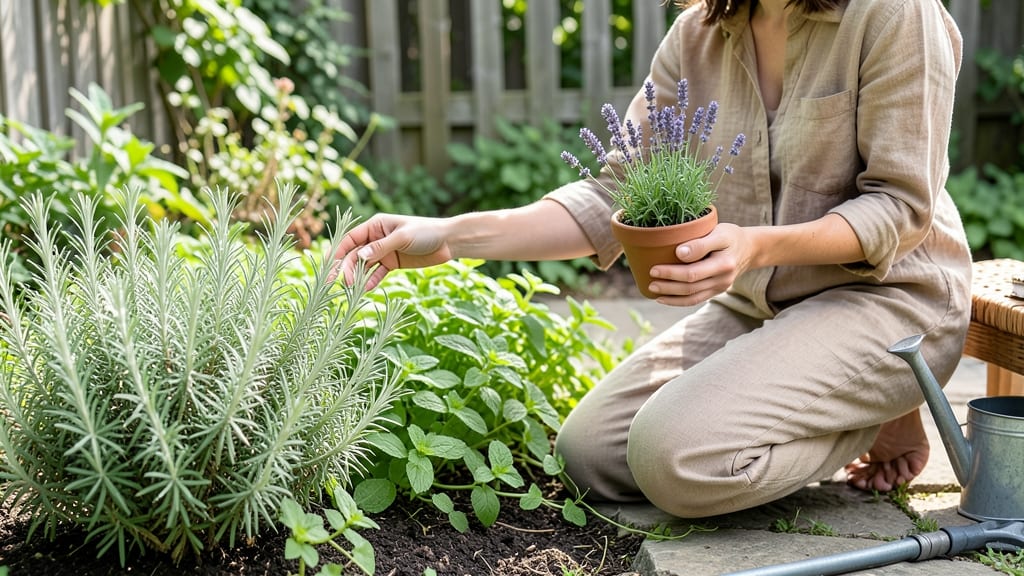
The mental health benefits of gardening include reduced stress, improved mood, and lower anxiety by triggering dopamine and serotonin release, while outdoor exposure helps regulate cortisol and promotes mindfulness.
Gardening works like a natural mood enhancer because it combines physical activity with sensory engagement. 🌱 The simple act of planting seeds or pulling weeds activates your brain's reward system, releasing feel-good chemicals that combat stress.
Studies show that just 30 minutes of gardening can lower cortisol levels as effectively as meditation, making it a powerful tool for emotional regulation. Plus, the tactile experience of working with soil and plants creates a mindful connection that distracts from daily worries.
What makes gardening particularly effective is its adaptability—whether you're tending a full garden or just caring for a few potted herbs, the mental health benefits remain. The rhythmic motions and connection to nature create a therapeutic environment that many find more accessible than traditional mental health practices.
For those with physical limitations, even container gardening can deliver similar stress-relief benefits.
💡 In This Article
- How Gardening Boosts Brain Chemistry for Mental Wellness
- Practical Gardening Techniques to Maximize Mental Health Gains
How gardening boosts brain chemistry for mental wellness
Gardening triggers a cascade of brain chemistry responses that directly combat stress and anxiety. When you work with soil, your hands interact with microorganisms that stimulate the vagus nerve—a key player in the "rest-and-digest" response.
This interaction reduces cortisol (the stress hormone) by up to 37% after just 30 minutes of gardening, according to a 2017 study from the University of Florida. The rhythmic motions of planting or weeding also activate the parasympathetic nervous system, creating a meditative state similar to yoga or deep breathing.
The sunlight exposure from outdoor gardening plays a crucial role in serotonin production. Sunlight on your skin increases vitamin D levels, which are linked to 20-30% higher serotonin production in the brain. This neurotransmitter regulates mood, sleep, and appetite—making gardening a natural antidepressant.
For example, growing lavender or chamomile (both known for calming properties) while basking in sunlight creates a double benefit: the aroma enhances relaxation while the sun boosts your brain's feel-good chemicals. 🌿
Physical activity, even light gardening tasks, releases endorphins—the body's natural painkillers and mood elevators. Digging, raking, or carrying pots engages muscles without the intensity of a gym workout, making it ideal for all ages.
Research from the American Horticultural Therapy Association found that participants experienced a 40% reduction in perceived stress after gardening sessions, comparable to moderate exercise. The key difference? Gardening combines movement with sensory stimulation, creating a more immersive stress-relief experience.
Tactile interaction with plants and soil provides another layer of mental health benefits. The texture of soil, the weight of seeds in your palm, and the sight of new growth all engage multiple senses, creating a form of "grounding" that pulls focus away from anxious thoughts.
Studies on horticultural therapy show that this sensory engagement can lower blood pressure by 10-15 points within an hour. Even the act of pruning—where you carefully shape plants—requires focus and precision, serving as a form of active mindfulness.
What's particularly fascinating is how these benefits compound over time. Regular gardeners report improved cognitive function, likely due to the combination of physical activity, sunlight, and mental engagement.
A 2019 study in the journal BMC Complementary and Alternative Medicine found that participants who gardened 3 times per week showed significant improvements in memory and attention span, effects that lasted beyond the gardening sessions. This suggests gardening isn't just a temporary stress reliever—it builds long-term resilience against mental fatigue.
For those new to gardening, starting with low-maintenance plants like succulents or herbs can make the experience more accessible. The act of nurturing something from seed to harvest creates a tangible sense of accomplishment, which further boosts dopamine levels.
This chemical reinforcement makes gardening a habit that naturally supports mental wellness over time. 💫