
Tools
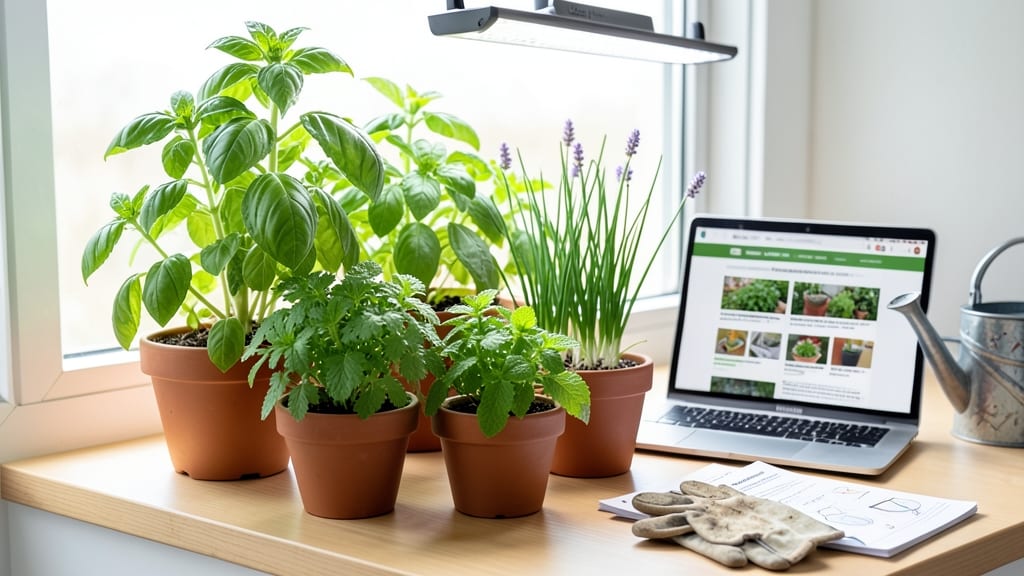
Online gardening schools offer accredited programs that combine digital coursework with practical training in plant science, sustainable growing techniques, and hands-on horticulture—perfect for anyone from hobbyists to career-focused learners.
These programs stand out by bridging the gap between theory and practice, often through virtual labs and partnerships with local nurseries. 🌱 For example, many include seed-starting kits shipped to your door or access to expert mentors for troubleshooting real-world challenges.
The flexibility lets you learn at your own pace while still earning certifications recognized in the industry.
What sets the best online gardening schools apart is their focus on measurable outcomes—whether that's passing certification exams or launching a profitable micro-farm. Some even offer job placement assistance, connecting graduates with employers who value hands-on experience alongside academic knowledge.
💡 In This Article
- How Online Gardening Programs Balance Virtual Learning With Practical Training
- Top Accredited Online Gardening Schools With Hands-On Certification
How online gardening programs balance virtual learning with practical training
The magic of online gardening programs lies in their ability to simulate hands-on experience through carefully designed digital tools and partnerships. Many courses incorporate virtual soil science labs where students analyze soil samples using high-resolution microscopy images and pH testing simulations.
For example, programs often provide digital kits with seed-starting materials, allowing learners to track germination rates and plant growth through weekly progress photos they submit to instructors for feedback.
Remote mentorship plays a critical role in bridging the gap between theory and practice. Students connect with certified horticulturists via video calls to diagnose plant health issues, with mentors often sharing their screens to point out specific leaf discolorations or root structures.
Some programs even partner with local nurseries where students can complete fieldwork assignments, like identifying plant diseases in real-time through guided virtual tours of greenhouse facilities. This hybrid approach ensures learners develop practical skills while receiving expert guidance.
The technology behind these programs goes beyond basic videos. Many platforms use interactive 3D plant models that let students virtually prune trees, design garden layouts, or observe root systems growing underground.
For instance, a course might include a module where students "plant" a virtual tomato seed and track its development through different growth stages, receiving automated feedback on watering and sunlight needs. These digital tools create a tactile learning experience that mirrors real gardening challenges.
What makes these programs particularly effective is their focus on measurable outcomes tied to real-world applications. Students often complete projects like designing a sustainable garden plan or troubleshooting a virtual pest infestation, with instructors providing detailed feedback.
Some courses even include partnerships with seed companies that provide discounted starter plants for hands-on experiments. This approach ensures learners don't just memorize concepts—they apply them in practical scenarios.
Consider the case of Penn State's online horticulture program, which offers a "virtual greenhouse" module where students can experiment with different growing conditions. The program tracks each student's progress through an interactive dashboard, showing how their virtual plants respond to various treatments.
This data-driven approach helps learners understand the science behind plant care while developing critical thinking skills they can apply to their own gardens.
The key to this balance is frequent, structured interaction between digital learning and physical practice. Programs typically include weekly check-ins with instructors, discussion forums for peer collaboration, and regular assignments that require real-world application.
For example, a student might analyze a soil sample from their backyard and compare it to digital reference charts provided in the course. This integration ensures that online learning doesn't just inform—it transforms into actionable gardening knowledge.
What most learners don't realize is how these programs account for regional differences in climate and soil types. Many courses provide location-specific modules where students can input their ZIP code to receive tailored advice on native plants, frost dates, and local pests.
This personalized approach makes the virtual learning experience feel directly relevant to each student's unique gardening environment. 🌱