
Companion Plants
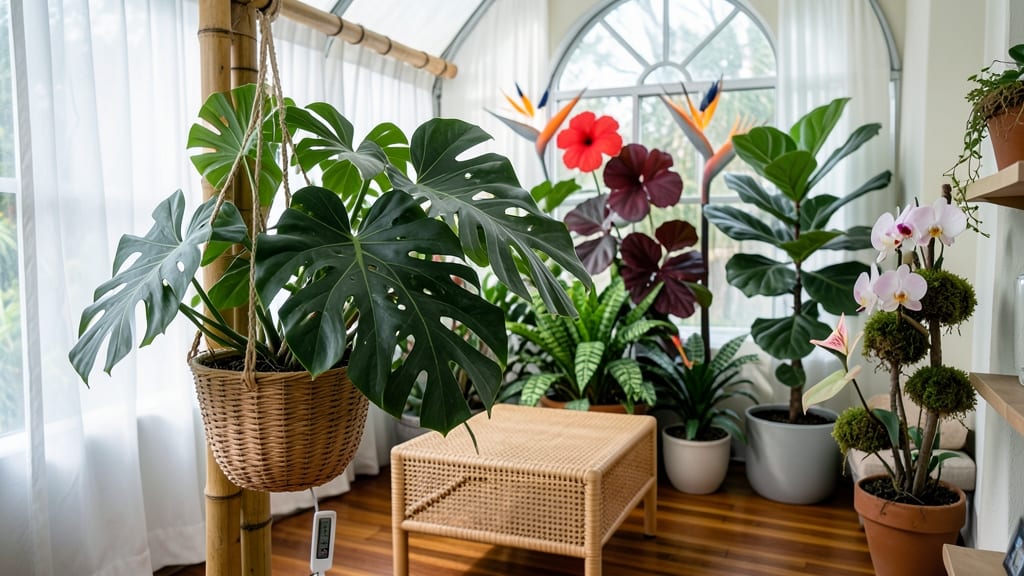
Growing tropical plants 🌴 in your garden is easier than you think—even if you’re not in a USDA zone 10-12.
Imagine lush hibiscus blooms or towering palms thriving in your backyard, year after year, without freezing or wilting. The trick? Creating microclimates—tiny ecosystems that mimic their natural tropical homes right where you plant them.
Most gardeners assume tropical plants need a greenhouse or a warm climate, but the reality is far simpler. With the right soil, shade, and watering tricks, you can keep these plants happy in pots, along fences, or even tucked into shady corners of your yard.
Below, I’ll show you exactly how to set up these climate pockets, which tropical varieties are the easiest to grow, and the three biggest mistakes that kill them before they even get started.
How to create microclimates for tropical plants in any garden
Tropical plants crave warmth, humidity, and protection from harsh elements—but that doesn’t mean you need to live in a rainforest to grow them. By creating microclimates, you can mimic their ideal conditions right in your garden, balcony, or even indoors.
These localized environments adjust sunlight, wind, moisture, and temperature to keep plants like hibiscus, orchids, and bird-of-paradise thriving year-round, even in less-than-tropical climates.
Microclimates work by leveraging natural garden features or simple DIY solutions to buffer extreme conditions. For example, a north-facing wall can absorb sunlight and radiate warmth, while a windbreak hedge shields delicate leaves from drying winds. The key is understanding how to manipulate these factors without overcomplicating your space.
Whether you’re working with a small patio, a greenhouse corner, or a full backyard, these techniques will help you extend the growing season and protect your tropicals from frost, heat stress, or drought.
🌿 Here’s how to start: Begin by assessing your garden’s natural conditions—where the sun hits hardest, where cold air settles, and where moisture lingers. Use this summary-table to identify the best microclimate strategies for your space, tailored to your tropical plants’ needs.
Let’s dive into sunlight control, the first critical factor for tropical plants. Many tropicals, like bird-of-paradise or hibiscus, need bright, indirect light but can scorch in direct afternoon sun.
Install adjustable shade structures—such as lattice trellises with climbing plants or retractable shade sails—to filter sunlight while allowing airflow. For example, a 30% shade cloth over a patio can reduce glare by 70%, creating a perfect spot for orchids or ferns that would otherwise crisp in full sun.
Next, tackle wind protection, which is often overlooked but crucial for tropical plants with large, delicate leaves. A bamboo windbreak or dense hedge (like bamboo or boxwood) can reduce wind speeds by up to 50% in your garden’s most exposed areas.
Place windbreaks 3-5 feet away from your tropical plants to avoid blocking too much sunlight. For container gardens, group pots together to create a mini wind tunnel effect, shielding individual plants from gusts that could dry out their leaves.
Moisture management is another game-changer. Tropical plants hate drying out, but they also root rot if left soggy. Use organic mulch—like wood chips or pine straw—to retain 20-30% more soil moisture while suppressing weeds.
For container plants, add a self-watering reservoir at the bottom of the pot or place them on pebble trays filled with water. This creates a humid microclimate around the roots, mimicking the tropical rainforest floor.
Just remember: never let containers sit in standing water—always ensure drainage holes are present.
Temperature fluctuations are the #1 killer of tropical plants, especially during frost or heatwaves. To buffer these extremes,
Best tropical plants for small-space microclimates (balconies, patios, greenhouses)
Creating a tropical oasis in limited spaces is entirely possible with the right low-maintenance plants and microclimate control. Even in USDA Zones 5-9, you can nurture lush tropicals by replicating their natural conditions—high humidity, moderate temperatures, and filtered sunlight.
The key is selecting plants that adapt well to containers and small spaces while thriving in controlled environments like greenhouses or covered patios.
For balconies and patios, focus on compact varieties that tolerate partial shade and occasional dry spells. In greenhouses, you can push the envelope with moisture-loving species by using humidifiers or pebble trays.
Below are my top picks for small-space tropicals, each with specific microclimate needs and care tips to keep them flourishing year-round.
🌿 Top 5 Tropical Plants for Small Spaces
- Pros: Stunning year-round blooms, thrives in containers
- Cons: Needs full sun to partial shade, sensitive to cold drafts
- Pros: Dramatic arching foliage, drought-tolerant once established
- Cons: Slow-growing, requires bright indirect light
- Pros: Air-purifying, thrives in low light, pet-friendly
- Cons: Needs consistent humidity, sensitive to dry air
- Pros: Fast-growing ground cover, tolerates partial shade
- Cons: Can spread aggressively, needs regular pruning
- Pros: Long-lasting blooms, thrives in hanging baskets
- Cons: Needs high humidity, sensitive to temperature fluctuations
💡 Microclimate Tip: Group plants with similar needs (e.g., humidity lovers together) to create a self-sustaining ecosystem in small spaces.
For balcony gardens, prioritize compact hibiscus or dwarf palms in terracotta pots with drainage holes. Place them near east-facing windows to avoid harsh afternoon sun. In greenhouses, orchids and Swedish ivy thrive with 60-70% humidity—achieve this with a pebble tray or small humidifier.
Always use well-draining soil mixes to prevent root rot, a common issue in tropical plants.
One of my favorite space-saving hacks is using vertical planters for trailing tropicals like Philodendron or Pothos. These thrive in hanging baskets near south-facing windows and add lush greenery without taking up floor space.
Just remember: rotate containers weekly to ensure even light exposure for all sides of the plant.
When selecting containers, opt for glazed ceramic or fiberglass to retain moisture and insulate roots from temperature swings. Avoid black plastic pots, which absorb heat and can scorch roots.
For extra insulation, wrap containers in bubble wrap during cool nights—this simple trick can protect tropicals from temperatures below 50°F.
Finally, fertilize lightly during the growing season (spring to fall) with a balanced 10-10-10 fertilizer diluted to half strength. Over-fertilizing can burn roots and reduce flowering in plants like hibiscus.
Always water thoroughly after fertilizing to prevent salt buildup in the soil. With these microclimate tricks, your small-space tropical garden will stay vibrant and healthy year-round.