
Vegetables
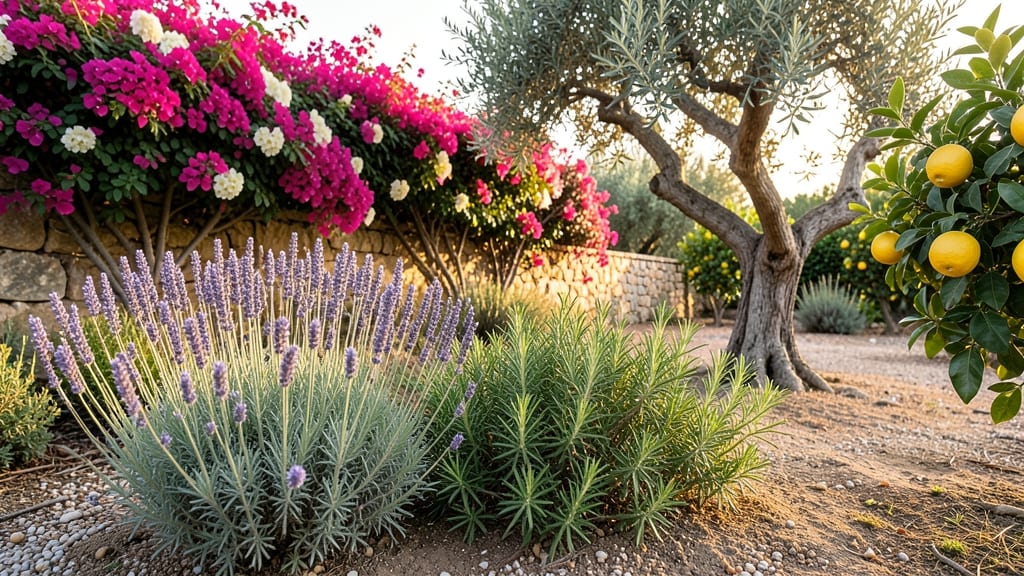
Exploring gardens in Barcelona reveals a vibrant mix of historic parks, whimsical landscapes, and secret green spaces that showcase the city's love for nature. From Antoni Gaudí's surreal mosaics at Park Güell to the tranquil ponds of Ciutadella Park, these urban retreats feature free entry, seasonal floral displays, and rare botanical collections perfect for nature enthusiasts and photographers.
Barcelona’s gardens aren’t just green spaces—they’re living art galleries where architecture and nature collide. 🌿 Park Güell’s undulating paths and colorful ceramic benches create a fairytale atmosphere, while Ciutadella Park’s lakeside strolls offer a peaceful escape from the city’s bustle.
Many lesser-known spots, like the whimsical Jardins de Joan Brossa with its playful sculptures and wildflowers, provide unique photo opportunities year-round. The city’s Mediterranean climate ensures vibrant blooms from spring to fall, making every visit feel like discovering a new secret garden.
The best part? Most of these gardens are free to enter, so you can spend hours wandering without worrying about admission fees. Whether you're chasing Instagram-worthy views or simply craving a quiet moment among greenery, Barcelona’s gardens deliver on both beauty and accessibility.
Pro tip: Visit in late spring for the full bloom season or during golden hour for magical lighting.
💡 In This Article
- Barcelona’s Most Stunning Urban Gardens and Their Botanical Highlights
- How to Plan a Garden Tour: Best Routes and Hidden Gems
Barcelona’s most stunning urban gardens and their botanical highlights
Park Güell stands out with its 2,000+ cactus species and 1,000+ plant varieties, including rare Mediterranean shrubs like the rosemary and thyme that Gaudí incorporated into his designs. The garden’s undulating paths and trencadís mosaics create a surreal landscape where architecture and nature merge seamlessly.
What’s fascinating is how the cacti collection—donated by the Barcelona Botanical Garden—thrives in the park’s microclimate, with some specimens reaching over 50 years old. 🌵 The Hypogeum, a hidden underground chamber, features stained-glass windows that cast kaleidoscopic light patterns onto the mosaic floors, adding a magical dimension to the botanical experience.
Ciutadella Park, Barcelona’s oldest urban park, is a 17-hectare oasis designed in the 18th century with English landscape garden principles. Its centerpiece is the large pond, home to swans and ducks, surrounded by century-old plane trees whose canopies provide shade year-round.
The park’s rose garden bursts into color in spring, featuring over 100 rose varieties, while the palm grove includes Canary Island date palms that tower up to 25 meters tall.
Unlike Park Güell’s structured design, Ciutadella’s wild, naturalistic layout makes it feel like a countryside retreat in the heart of the city. 🌸
For a more intimate experience, Labyrinth Park (Parc del Laberint d’Horta) offers a 17th-century hedge maze with 6,000 boxwood shrubs meticulously trimmed into geometric patterns. The park’s topiary sculptures—including a peacock, dragon, and unicorn—are maintained using traditional pruning techniques passed down for centuries.
What’s surprising is how the boxwood (Buxus sempervirens) thrives in Barcelona’s Mediterranean climate, despite requiring consistent moisture—a testament to the gardeners’ skill. The park’s hidden grotto adds a whimsical touch, making it a favorite for families and photographers. ✨
Jardins de Joan Brossa, a modernist gem, blends abstract sculptures with wildflower meadows, creating a playful, surreal atmosphere. The garden’s 1960s design was inspired by the avant-garde poet Joan Brossa, who wanted to merge art and nature.
The wildflowers—including lavender, poppies, and cosmos—attract butterflies and bees, turning the space into a living ecosystem. Unlike traditional gardens, this one rejects symmetry, embracing a free-form, experimental layout that feels like a living canvas.
The glass sculptures embedded in the ground reflect sunlight, adding a dynamic visual element that changes with the time of day. 🌼
Seasonal blooms play a crucial role in these gardens’ appeal. In spring, magnolias and azaleas dominate, while summer brings bougainvillea and hibiscus in vibrant hues. Autumn transforms the parks with golden foliage, and winter offers holly and cyclamen for a touch of holiday cheer.
For example, Park Güell’s agaves bloom only once every 10-15 years, creating a spectacular, rare event that draws crowds from around the world. The Mediterranean climate ensures year-round greenery, but late spring (May-June) is peak season for color and fragrance. 🌿
What makes these gardens truly special is their fusion of art, history, and botany. Whether it’s Gaudí’s organic architecture in Park Güell or the whimsical sculptures of Joan Brossa, each space tells a story.
The free entry and accessibility make them even more inviting, allowing visitors to wander, explore, and connect with nature without barriers. For plant lovers, the rare species and seasonal changes provide endless discovery, while photographers will find endless compositions in every corner. 💫