
Tools
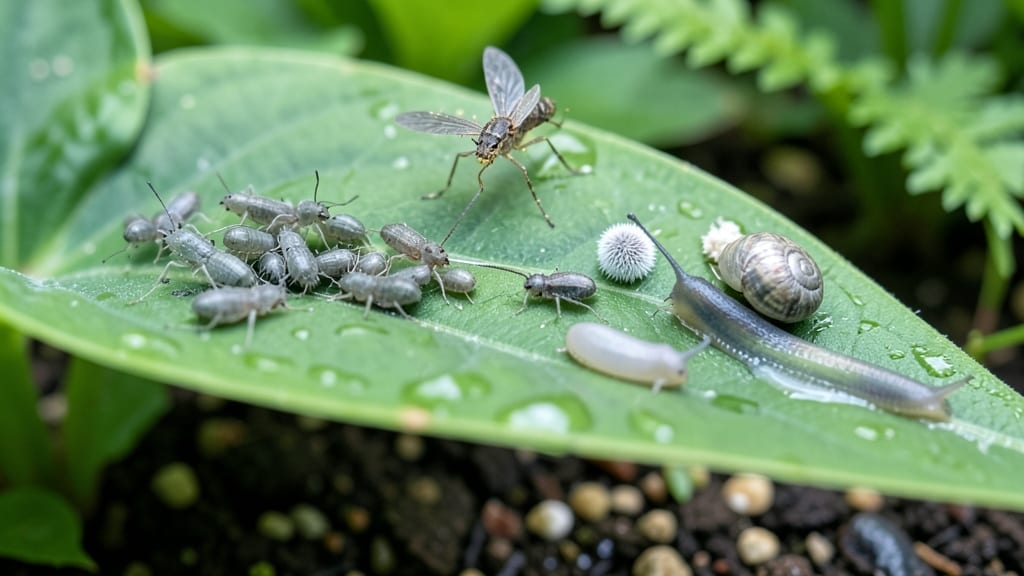
Gray bugs in your garden 🐜 can turn lush green leaves into sticky, wilted messes before you even notice they’re there.
Discovering them means your plants are already under attack—those tiny gray invaders cluster on undersides, drain sap, and leave behind a trail of damage that’s hard to reverse. But here’s the good news: catching them early makes all the difference.
In this guide, I’ll walk you through how to spot the most common gray pests—aphids, spider mites, and fungus gnats—so you can act fast before they take over. No harsh chemicals needed, just smart, organic solutions that work.
You’ll learn how to identify them, what plants they love, and the easiest ways to kick them out for good—so your garden stays thriving all season long.
5 Common gray garden bugs and how to identify them visually
Spotting gray bugs in your garden can feel like a mystery—until you know what to look for. These pests often blend into foliage, making early detection tricky. The key is understanding their visual traits, preferred plants, and seasonal patterns.
I’ve spent years tracking these sneaky invaders, and here’s how to spot them before they wreak havoc on your roses, vegetables, or houseplants.
Many gardeners confuse gray bugs with harmless insects, but these five culprits are notorious for damaging plants. Some leave behind sticky residues, while others create webbed structures or chew holes in leaves.
Learning their distinctive markings and behaviors will help you act fast—whether that means blasting them off with water or applying a targeted organic spray.
Let’s start with the most common gray pests and how to tell them apart. The comparison table below breaks down their key features, so you can quickly identify which bug is invading your garden and what damage to expect.
| Bug Type | Size & Color | Key Features | Preferred Plants | Seasonal Activity |
|---|---|---|---|---|
| Spider Mites | 1/50" (tiny), gray or red | Webbing on undersides of leaves, rapid movement | Tomatoes, peppers, roses, houseplants | Spring to fall (dry conditions) |
| Mealybugs | 1/10" to 1/4", white-gray, cottony | Cotton-like clusters, sticky honeydew | Citrus, succulents, ferns, orchids | Year-round (indoor/outdoor) |
| Fungus Gnats | 1/8", gray-black, long legs | Larvae in moist soil, adult flies hover | Seedlings, houseplants, potted herbs | Spring to early fall (high humidity) |
| Gray Garden Beetles | 1/2", gray-brown, oval | Chewing damage on leaves, nocturnal | Vegetables, flowers, young plants | Summer evenings (peak at dusk) |
| Aphids (Gray Varieties) | 1/16" to 1/8", gray-green | Clustered on new growth, sticky residue | Rosemary, basil, strawberries, apples | Spring to early summer (warm weather) |
Now that you’ve got the visual breakdown, let’s dive deeper into each bug’s habits. Spider mites, for example, thrive in dry conditions and often go unnoticed until you see fine webbing on your pepper plants.
Their tiny size makes them hard to spot without a magnifying glass, but the damage—speckled leaves and stunted growth—gives them away.
If you’re dealing with mealybugs, look for those telltale white, cottony clusters in the crevices of your citrus trees or succulents. These pests love hiding where leaves meet stems, and their sticky honeydew can attract ants and sooty mold.
I’ve found that a damp cotton swab works wonders for removing them manually—just wipe them off gently to avoid damaging delicate foliage.
For fungus gnats, focus on the soil. Their larvae wriggle through damp potting mix, causing roots to rot. You’ll often see them hovering near your houseplants or seedlings on humid days.
A simple trick to deter them? Let the top inch of soil dry out between waterings—this disrupts their life cycle without chemicals.
When gray garden beetles invade, they do their damage at night, chewing irregular holes in your vegetable leaves. Set up a blacklight trap near your garden to catch them after dark.
These beetles are most active during summer evenings, so checking your plants at dusk can help you spot them before they multiply.
Finally, gray aphids often cluster on the undersides of leaves, especially on rosemary or strawberries. Unlike their
Natural and chemical solutions to eliminate gray bugs safely
Once you've identified those pesky gray bugs in your garden, the next step is acting fast to protect your plants. I’ve found that a mix of natural remedies and targeted chemical solutions works best, depending on the severity of the infestation and what you’re growing.
For edible plants, organic methods are always my first choice to avoid residue concerns.
Before reaching for harsh chemicals, try neem oil or insecticidal soap—both are effective against soft-bodied pests like aphids and spider mites. These solutions disrupt the bugs' life cycles without harming beneficial insects or your plants when used correctly. Always test a small area first to avoid sensitivity issues.
Natural vs. Chemical Solutions for Gray Bugs
Natural Solutions
- Pros: Safe for edibles, pets, and beneficial insects
- Cons: Requires frequent reapplication, slower results
Chemical Solutions
- Pros: Fast-acting, long-lasting protection
- Cons: Risk to pets, children, and beneficial insects; residue concerns
Best for: Organic gardens, edible plants, or sensitive areas
Best for: Severe infestations or non-organic gardens
For stubborn gray bugs like fungus gnats, I’ve had success with companion planting. Marigolds and basil naturally repel many pests while adding beauty to your garden.
Another trick is to keep soil moist but not soggy—fungus gnats thrive in damp conditions, so a light layer of sand on top of potting mix can deter them.
If natural methods fail, targeted chemical pesticides like pyrethrin-based sprays can work, but use them sparingly. Always follow label instructions and avoid spraying when bees are active. For edible plants, wait until harvest time before applying chemicals to minimize residue risks.
Safety is key, especially with pets. Never use diatomaceous earth near areas where cats or dogs roam—it can irritate their lungs. Instead, opt for pet-safe sprays like horticultural oil or neem oil, which are non-toxic once dry.
After treating, monitor your plants closely. Gray bugs often return if their favorite host plants remain untreated. Rotate your methods seasonally to prevent resistance, and always clean up fallen leaves and debris where pests hide.