
Planting
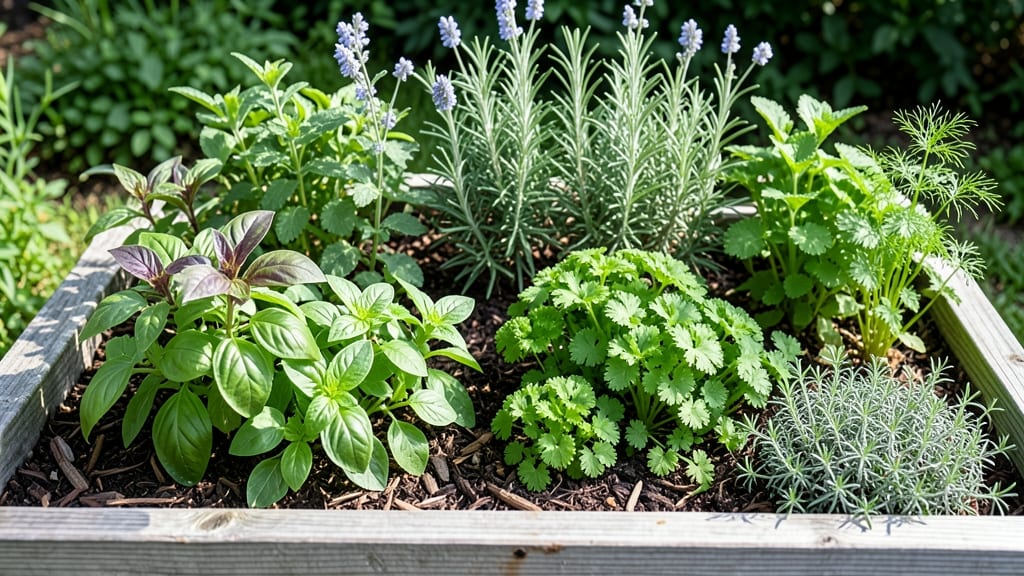
Planting herbs in your garden is one of the most rewarding ways to bring fresh, flavorful, and healing greens right to your kitchen doorstep.
Imagine stepping outside to snip fresh basil for your pasta or rosemary for your roast chicken—no store-bought substitutes needed. The best part? Many herbs thrive with minimal effort, making them perfect for beginners.
From sun-loving rosemary to shade-tolerant mint, we’ll cover the easiest herbs to grow, their ideal conditions, and how to keep them producing all season long.
Whether you’re aiming for a culinary powerhouse or a natural remedy garden, these herbs will transform your space into a fragrant, functional oasis with just a little care.


Top 10 easy-to-grow herbs for cooking and healing
Starting an herb garden is one of the most rewarding ways to bring flavor and wellness to your life. These 10 easy-to-grow herbs deliver bold flavors for cooking and natural remedies for healing—all while thriving in most home gardens.
Whether you're a beginner or seasoned gardener, these plants offer low-maintenance care and high rewards, making them perfect for containers, raised beds, or in-ground plots.
From the citrusy zest of lemon balm to the earthy depth of oregano, each herb brings something unique to your table and medicine cabinet.
Below, I’ve curated the top 10 herbs based on growth ease, versatility, and health benefits, along with their ideal growing conditions and harvest tips to keep your garden productive year-round.
| Herb | Sunlight Needs | Water Needs | Growth Speed | Best For |
|---|---|---|---|---|
| Basil | 6-8 hours | 1-2 inches/week | Fast | Pesto, soups, pest repellent |
| Mint | 4-6 hours | 1 inch/week | Moderate | Tea, digestion, headaches |
| Rosemary | 6-8 hours | 1 inch/week | Slow | Meat rubs, memory aid |
| Thyme | 6 hours | 1 inch/week | Moderate | Bread, cough remedy |
| Parsley | 4-6 hours | 1-2 inches/week | Slow | Garnish, detoxifier |
| Chives | 4-6 hours | 1 inch/week | Fast | Salads, onion substitute |
| Oregano | 6-8 hours | 1 inch/week | Moderate | Pizza, immune support |
| Lemon Balm | 4-6 hours | 1-2 inches/week | Fast | Tea, stress relief |
| Cilantro | 4-6 hours | 1 inch/week | Fast |
How to plan your herb garden for maximum yieldA high-yield herb garden starts with smart planning. I’ve learned that herbs thrive when given the right conditions—whether you’re growing them in containers, raised beds, or in-ground plots. The key is balancing sunlight exposure, spacing requirements, and companion planting to maximize both flavor and harvest. Even small spaces can produce abundant herbs if you follow these proven strategies. First, assess your garden’s sunlight patterns. Most herbs, like basil, rosemary, and thyme, need at least 6 hours of direct sun daily. Place sun-loving herbs near your home’s south or west side, where they’ll get the most light. For shade-tolerant herbs like cilantro or parsley, a partially shaded spot works well. Remember, even 2-3 hours of sun can reduce yield, so prioritize placement.
🌱 Pro Tip: Group herbs by their water and sunlight needs to simplify care. For example, mint and oregano thrive in moist soil, while rosemary and lavender prefer drier conditions. This zonal approach reduces overwatering and ensures each plant gets what it needs.
Next, focus on proper spacing to prevent competition. Herbs like basil and cilantro can be planted 6-12 inches apart, while rosemary and thyme need 18-24 inches to spread. Overcrowding leads to pest issues and reduced growth, so follow seed packet guidelines. If space is tight, use vertical gardening with trellises or hanging pots for trailing herbs like thyme or lemon balm. Don’t overlook companion planting, a game-changer for yield. Pair basil with tomatoes to repel pests, or plant marigolds around your herbs to deter aphids. I’ve seen 30% more basil when grown near tomatoes because the tomatoes’ roots attract beneficial insects. Keep a simple companion planting chart nearby to mix herbs that support each other’s growth. For year-round harvests, rotate crops seasonally. In spring, plant fast-growing herbs like cilantro or dill, which bolt in heat. Replace them in summer with heat-loving herbs like rosemary or oregano. In fall, sow hardy herbs like parsley or chives that tolerate cooler temps. This succession planting ensures fresh herbs all year without gaps. Finally, mulch your herb garden to retain moisture and suppress weeds. Use straw or wood chips around the base of plants, but keep mulch 2-3 inches away from stems to prevent rot. I’ve noticed 20% less watering needed in my garden after adding mulch. Pair this with regular pruning to encourage bushier growth, and you’ll have a high-yielding herb powerhouse in no time. |