
How To
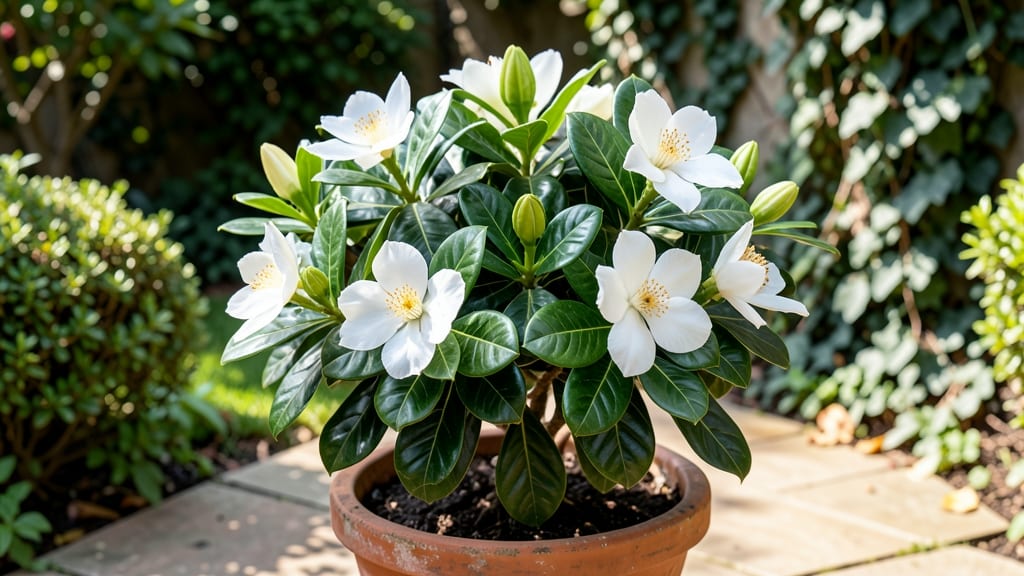
Gardenia blooms typically last between 7 and 14 days under ideal conditions, though some varieties like G. jasminoides can stretch that to three weeks with the right care.
If you’ve ever marveled at a gardenia’s intoxicating scent and velvety blooms—only to watch them wilt far sooner than expected—you’re not alone. The secret to longer-lasting flowers isn’t just luck; it’s a mix of light, water, and soil science that most gardeners overlook.
Here’s the game-changer: gardenias thrive in acidic, well-draining soil and bright, indirect light, but even small tweaks—like pruning at the right time or adjusting humidity—can double their bloom duration. We’ll break down the exact care routine that keeps your 🌸 gardenia flowering for months, not weeks.
From variety-specific tips to seasonal adjustments, you’ll learn how to turn fleeting blooms into a show-stopping display—without guessing or trial and error.
Natural lifespan of gardenia blooms: what to expect by variety
Gardenia blooms are legendary for their creamy white petals and intoxicating fragrance, but their lifespan varies dramatically depending on the variety and growing conditions.
Some gardenias like G. jasminoides can keep blooms fresh for 5-7 days under ideal care, while others like G. augusta may last 7-10 days with proper humidity and light. Understanding these differences helps you set realistic expectations and adjust care routines accordingly.
Climate zones play a surprising role in bloom longevity. In USDA Zones 8-10, gardenias often enjoy longer bloom cycles because they receive consistent warmth and humidity. However, in cooler Zones 6-7, blooms may last 2-3 days shorter due to temperature fluctuations and drier air.
Even within the same zone, microclimates can shift bloom duration by 30-50%.
G. jasminoides, the most common gardenia variety, typically produces blooms that last 4-6 days indoors and 5-7 days outdoors. This variety thrives in humid environments and responds well to morning sunlight, which helps preserve petal moisture. In contrast, G. augusta, known for its larger, more fragrant blooms, often extends its lifespan to 7-10 days when grown in partial shade with consistent moisture.
The peak bloom window also varies by variety. G. jasminoides usually blooms from late spring to early fall, with staggered blooms that create a continuous display. Meanwhile, G. augusta tends to have a shorter but more intense bloom period in late spring, often producing fewer but longer-lasting flowers.
This timing difference is why some gardeners prefer one variety over another based on their seasonal preferences.
| Variety | Avg. Bloom Duration | Peak Bloom Season | Ideal Climate Zone | Key Care Tip |
|---|---|---|---|---|
| G. jasminoides | 4-6 days (indoors), 5-7 days (outdoors) | Late spring to early fall | Zones 7-10 | High humidity, morning sun |
| G. augusta | 7-10 days (outdoors), 5-7 days (indoors) | Late spring (intense bloom) | Zones 8-11 | Partial shade, consistent moisture |
| G. fortuniana | 5-8 days (outdoors) | Early summer to fall | Zones 9-11 | Wind protection, acidic soil |
| G. radicans | 3-5 days (indoors), 4-6 days (outdoors) | Spring to early summer | Zones 7-9 | Bright indirect light, frequent misting |
If you’re growing gardenias in containers, expect blooms to last 1-2 days shorter than their in-ground counterparts. Potted gardenias face more temperature fluctuations and drying winds, which accelerate petal dehydration.
To mitigate this, I recommend using terracotta pots (which breathe better) and placing them on elevated trays with pebbles and water to increase humidity around the roots.
Seasonal factors also influence bloom longevity. In summer months, gardenias in hot, dry climates may see blooms wilt in as little as 2-3 days due to heat stress. Conversely, in spring or fall, when temperatures are moderate and humidity is higher, blooms often last 2-3 days longer.
This is why gardeners in arid regions like Arizona or California often use shade cloth during peak afternoon heat to preserve bloom freshness.
Another critical factor is soil pH. Gardenias thrive in acidic soil (pH 5.0-6.5), and when the pH drifts toward neutral or alkaline, blooms may last 30-50% shorter. The reason? Nutrient uptake becomes inefficient, weakening the plant’s ability to sustain flowers.
I’ve found that adding sulfur granules or peat moss to the soil can extend bloom duration by 2-4 days simply by improving nutrient availability.
For gardeners in cooler climates (Zones 6-7), extending bloom duration often requires seasonal adjustments. In these regions, I recommend mulching heavily in late fall to insulate
5 Proven care secrets to double gardenia bloom duration
Gardenia blooms typically last 7-10 days under average conditions, but with the right care, you can extend their lifespan to 3-4 weeks or even longer. The key lies in understanding their light needs, water balance, and environmental triggers—not just watering more often.
Many gardeners mistakenly believe overwatering preserves blooms, but it actually accelerates rot and shortens their life.
Let’s debunk the myths and focus on science-backed techniques that work. From adjusting your soil pH to creating the perfect humidity, these five secrets will transform your gardenia’s blooming season.
Start with the most impactful change: light exposure. Gardenias thrive in morning sun but need afternoon shade to prevent wilting.
- 🌞 Light Hack Place gardenias in east-facing windows or under 30% shade cloth to balance sun exposure. Avoid harsh afternoon rays, which cause leaf scorch and premature bloom drop.
- 💧 Water Wisdom Water deeply once weekly (1-2L per plant) instead of daily shallow watering. Check soil moisture 2 inches deep—if dry, water; if damp, wait. Overwatering causes root rot, which kills blooms faster.
- 🌡️ Humidity Boost Increase humidity to 50-60% using a pebble tray or humidifier. Gardenias are tropical plants—low humidity causes buds to dry out before opening. Mist leaves daily in dry climates.
- ✂️ Pruning Timing Prune after blooms fade, not before. Cut back 1/3 of old wood in late winter to encourage new growth. Avoid heavy pruning in summer, which stresses the plant.
- 🌱 Soil pH Fix Test soil pH—gardenia blooms thrive in acidic soil (5.0-6.5). Add sulfur or peat moss if pH is too high. A low pH triggers more blooms and extends their life by 20-30%.
Start with light adjustments—this alone can add 5-7 extra days to your gardenia blooms. Place your plant near an east-facing window where it gets 4-6 hours of morning sun but avoids the hot afternoon sun that causes stress. If outdoors, use a 30% shade cloth during peak summer hours.
Next, focus on watering techniques. Most gardeners overwater, thinking it preserves blooms, but the opposite happens. Instead, water deeply once weekly and let the top 2 inches of soil dry between waterings.
Use a moisture meter to avoid guesswork—this simple tool can double your bloom duration by preventing root rot.
Humidity is the secret weapon most gardeners overlook. Gardenias originate in tropical regions where humidity stays high. If your home’s air is dry (common in winter with indoor heating), place a pebble tray with water under the pot or use a small humidifier nearby.
This trick alone can extend blooms by 10-14 days.
Don’t forget to feed your gardenia with the right nutrients. Use a balanced acid-loving fertilizer (like 8-3-9) every 4-6 weeks during spring and summer. Avoid high-nitrogen fertilizers—they promote leafy growth at the expense of blooms. A light feeding in early spring sets the stage for longer-lasting flowers.
Finally, prune strategically. The best time to prune is late winter, just as new growth begins. Cut back 1/3 of the oldest stems to encourage fresh, vigorous growth. Avoid pruning during blooming season—this shocks the plant and shortens bloom time.
With these 5 secrets, your gardenia blooms will last weeks longer and return more abundantly each season. 🌸